Cost of Living in Istanbul in 2025: A Full Breakdown for Expats & Investors
Learn what it costs to live or invest in Istanbul in 2025—from rent to lifestyle and more.
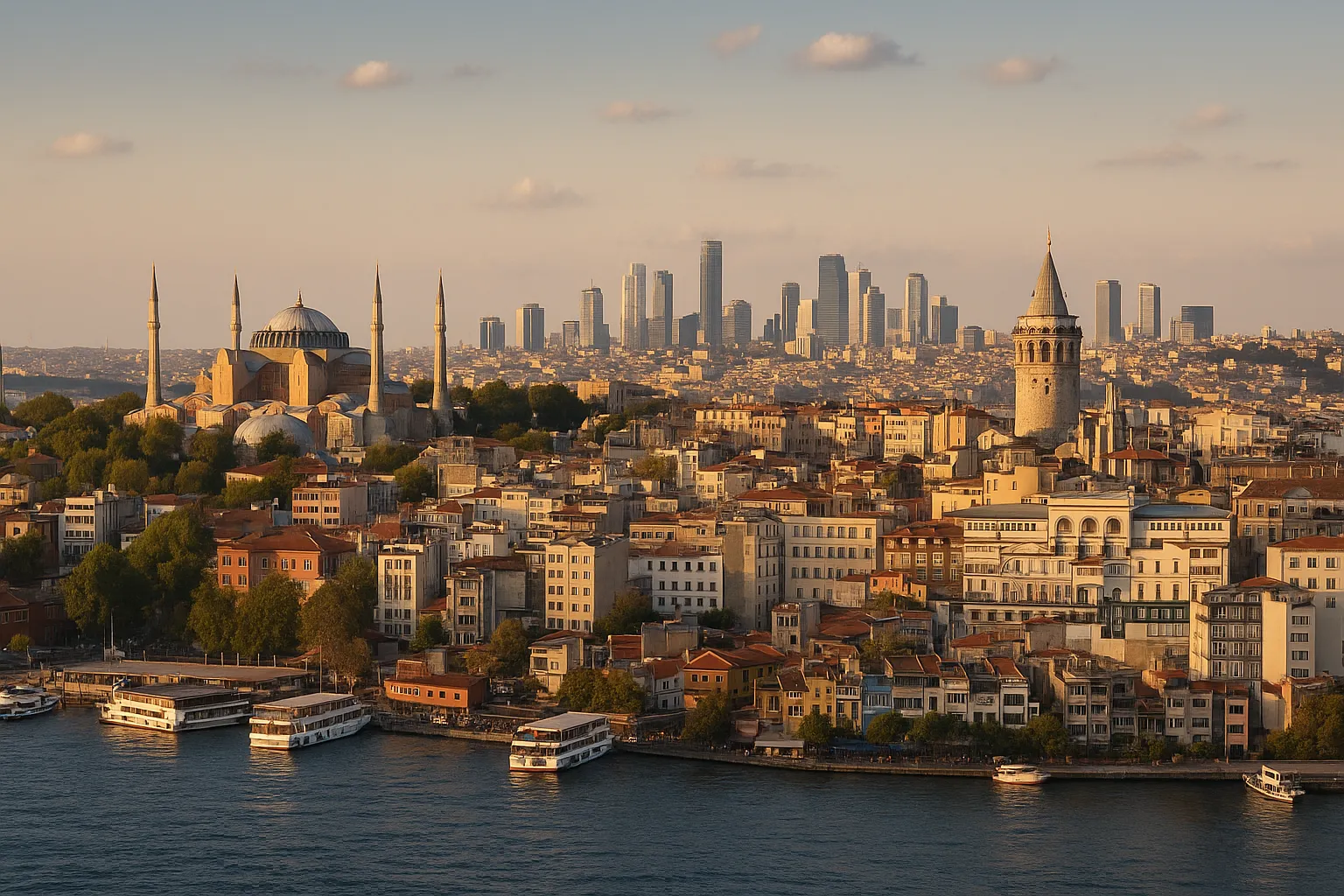
Living Cost in Istanbul: A Complete 2026 Guide
Introduction to Living in Istanbul
Istanbul is one of those cities that grabs you by the heart and refuses to let go. It’s loud, colorful, chaotic, charming, exhausting, and inspiring—all at once. Straddling two continents, Europe and Asia, this city is more than just a destination. For many people, it becomes home. But the big question on everyone’s mind is simple: How much does it actually cost to live in Istanbul?
The answer isn’t black and white. Istanbul can feel surprisingly affordable if you earn in foreign currency. On the other hand, if you’re earning in Turkish lira, the rising inflation and fluctuating exchange rates can make things challenging. Your lifestyle choices, the district you live in, and whether you prefer street food or fine dining all play a massive role in shaping your monthly expenses.
What makes Istanbul fascinating is its flexibility. You can live modestly in a cozy apartment in Kadıköy, shop at local bazaars, and use public transport daily. Or you can rent a luxury apartment in Nişantaşı, dine at rooftop restaurants overlooking the Bosphorus, and shop at high-end malls. The city accommodates both extremes—and everything in between.
In this detailed guide, we’ll break down housing, food, transport, healthcare, education, and lifestyle expenses. Whether you're a student, remote worker, expat, or family planning a move, this guide will give you a realistic picture of what to expect in 2026.
Let’s dive into the numbers and the lifestyle behind them.
Why Istanbul Attracts Expats, Students, and Digital Nomads
So why are people from all over the world packing their bags and moving to Istanbul?
First, location. Istanbul literally connects Europe and Asia. You can have breakfast in Europe and dinner in Asia without leaving the city. That cultural blend creates an energy you won’t find anywhere else. For expats, it offers the familiarity of modern infrastructure combined with rich traditions and history.
Second, affordability compared to Western Europe. If you’re coming from London, Paris, Berlin, or New York, Istanbul will likely feel cheaper—especially when it comes to rent, food, and services. A decent apartment in central Istanbul can cost significantly less than in most European capitals. Eating out regularly won’t drain your bank account the way it might elsewhere.
Digital nomads are particularly drawn to Istanbul because of:
- Affordable coworking spaces
- Fast and widely available internet
- A growing startup ecosystem
- Countless cafés perfect for remote work
- A relatively low daily cost of living
Students also choose Istanbul for its reputable universities and lower tuition fees compared to the US or UK. Plus, student life here is vibrant. From Bosphorus cruises to rooftop gatherings, the city feels alive 24/7.
But it’s not just about money. Istanbul offers something deeper—experience. The call to prayer echoing across the skyline, ferries crossing the Bosphorus at sunset, street vendors selling simit on every corner—it feels cinematic.
Of course, attraction doesn’t mean it’s perfect. Traffic can be intense. Inflation can be unpredictable. Bureaucracy may test your patience. But for many, the pros outweigh the cons.
And that brings us to the core question: is Istanbul truly affordable in 2026?
Is Istanbul Expensive or Affordable Compared to Europe?
Let’s get straight to it: compared to most Western European cities, Istanbul is still more affordable. But compared to the Turkish average income, it can feel expensive.
Here’s the key difference—your income source matters.
If you earn:
- In USD, EUR, or GBP → Istanbul feels affordable
- In Turkish lira → Costs can feel high due to inflation
For example, a one-bedroom apartment in central Istanbul may cost between $600–$1,200 per month depending on the district. In Paris or Amsterdam, that same apartment could easily cost $1,800–$2,500.
Dining out? A meal at a mid-range restaurant in Istanbul might cost $15–$25 per person. In Western Europe, that same experience could easily double.
Groceries are generally cheaper than in most EU countries, especially local produce. Fresh vegetables, fruits, bread, and dairy products are affordable if you shop smart. Imported goods, however, can be pricey due to taxes and currency fluctuations.
Public transportation is another area where Istanbul shines. Monthly transport cards are significantly cheaper than in London or Berlin. Healthcare, especially private healthcare, is also relatively affordable compared to the US and many EU countries.
But here’s the twist—luxury living in Istanbul is not cheap. Upscale neighborhoods, private international schools, imported products, and high-end restaurants can quickly match European prices.
So is Istanbul cheap? It depends on how you live. It’s a city where you can survive comfortably on a modest budget—or spend lavishly without limits.
Next, let’s break down the biggest expense of them all: housing.
Housing Costs in Istanbul
If you ask anyone living in Istanbul about their biggest monthly expense, the answer will almost always be rent. Housing costs have increased significantly over the past few years due to inflation, population growth, and rising demand from foreigners and investors.
The district you choose makes a massive difference.
Popular European side neighborhoods like:
- Beşiktaş
- Şişli
- Nişantaşı
- Taksim
- Levent
tend to be more expensive. These areas are central, well-connected, and packed with restaurants, offices, and nightlife.
On the Asian side, areas like:
- Kadıköy
- Üsküdar
- Ataşehir
offer slightly more affordable options while still providing vibrant community life.
As of 2026, average monthly rent looks roughly like this:
| Apartment Type | Central Area | Outside Center |
|---|---|---|
| 1-bedroom | $600–$1,200 | $400–$800 |
| 3-bedroom | $1,200–$2,500 | $800–$1,500 |
Luxury residences with security, gyms, and pools can easily exceed $3,000 per month.
Another factor? Furnished vs. unfurnished. Furnished apartments cost more but save upfront furniture expenses. Unfurnished apartments are common in Turkey and may require buying appliances and furniture.
Security deposits usually equal 1–2 months’ rent.
Housing prices fluctuate quickly in Istanbul, so flexibility and negotiation skills are essential. Many locals recommend working with trusted real estate agents to avoid overpaying.
Rent will likely consume 30%–50% of your monthly income, depending on your lifestyle. So choosing the right neighborhood is crucial—not just financially, but socially and emotionally.
Because in Istanbul, where you live shapes how you live.
Average Rent Prices by District
When it comes to rent in Istanbul, location isn’t just important — it’s everything. Two apartments with the same square meters, similar furniture, and even the same building age can have completely different price tags simply because of the neighborhood. That’s how dramatic the differences are.
Let’s talk real numbers. In 2026, rent prices vary widely depending on demand, proximity to public transportation, and whether the area is considered “prestigious.” For example, Beşiktaş and Nişantaşı are prime European-side neighborhoods. A modern one-bedroom apartment there can easily range between $900 and $1,500 per month. Why? Because you’re paying for centrality, lifestyle, and convenience. You’re within walking distance of cafés, universities, business districts, and nightlife.
Meanwhile, on the Asian side, Kadıköy has become a favorite among young professionals and expats. It offers a slightly more relaxed atmosphere, seaside views, and a strong community feel. Here, a one-bedroom apartment might cost between $700 and $1,100. Still not cheap, but often more reasonable than the European hotspots.
If you’re willing to move further away from the city center — areas like Beylikdüzü, Esenyurt, or Pendik — you can find one-bedroom apartments for $400 to $700. The trade-off? Longer commute times and less vibrant social scenes.
Here’s a simplified snapshot:
- Beşiktaş / Nişantaşı: $900–$1,500 (1-bedroom)
- Kadıköy / Üsküdar: $700–$1,100
- Şişli / Levent: $800–$1,400
- Beylikdüzü / Pendik: $400–$700
But rent is not just about numbers. It’s about rhythm. Do you want to step outside and hear street musicians and café chatter? Or do you prefer quiet evenings and residential calm? Istanbul offers both — but your choice will shape your budget.
And remember, rental prices fluctuate quickly due to inflation. Always check updated listings and negotiate when possible.
European Side vs. Asian Side
The classic Istanbul debate: European side or Asian side? If you live here long enough, you’ll hear this question more times than you can count. And yes, it affects your living costs too.
The European side is often seen as the “business heart” of the city. Major financial centers, corporate offices, and tourist attractions are located here. Neighborhoods like Levent, Maslak, and Şişli are business hubs. This demand pushes rental prices up. Living close to work saves commuting time but costs more in rent.
The Asian side, on the other hand, feels slightly calmer. Kadıköy, Moda, and Üsküdar are vibrant yet more residential. Many expats say the Asian side feels more “livable” and less chaotic. Rent can be 10–20% cheaper compared to equivalent European districts.
But here’s something to consider: transportation. If you work on the European side but live in Asia, you’ll rely on ferries, metro lines, or the Marmaray tunnel. While public transport is affordable, daily commuting across continents can be time-consuming.
Lifestyle differences matter too. The European side has more tourist traffic and nightlife hotspots. The Asian side feels more local and community-oriented.
Financially speaking:
- European side = slightly higher rent, more business opportunities
- Asian side = slightly lower rent, more residential vibe
- Neither is better. It’s like choosing between espresso and Turkish tea — both are great, but they serve different moods.
Central vs. Suburban Areas
Living in central Istanbul is exciting. Step outside and you’re in the middle of everything. Restaurants, bakeries, bookstores, street vendors, historic mosques — it’s a sensory overload in the best way possible. But that energy comes at a cost.
Central areas like Taksim, Galata, Beşiktaş, and Kadıköy command premium prices. A centrally located one-bedroom apartment might cost 30–50% more than a similar one in the suburbs. Why? Convenience. You save time, transportation costs, and sometimes even social expenses because everything is within walking distance.
Now let’s look at suburban districts like Başakşehir, Beylikdüzü, Sultanbeyli, or Kartal. Rent here is significantly cheaper. You can find larger apartments for the price of a small central studio. Families often prefer these areas because they offer newer buildings, gated communities, parking spaces, and quieter streets.
However, commuting from the suburbs can take 60–90 minutes during rush hour. Istanbul traffic is legendary — and not in a good way. So you have to calculate the hidden cost of time.
Think of it this way:
- Central living = higher rent, lower commute stress
- Suburban living = lower rent, higher commute time
- Your choice depends on your priorities. Do you value convenience and nightlife? Or space and savings?
- In Istanbul, lifestyle decisions are financial decisions.
Utilities and Monthly Bills
Rent is just the beginning. Utilities are the silent monthly expenses that quietly add up. Electricity, water, natural gas, internet — they may seem small individually, but together they matter.
For a standard one-bedroom apartment in 2026, here’s what you can expect monthly:
- Electricity: $25–$50
- Water: $10–$20
- Natural Gas (heating & cooking): $30–$100 (higher in winter)
- Internet: $15–$30
Winter months can significantly increase gas bills, especially in older buildings with poor insulation. Istanbul winters aren’t freezing like Northern Europe, but heating is necessary from November through March.
Electricity costs depend heavily on air conditioning usage in summer. Istanbul summers can be humid and hot, especially in July and August.
Internet in Istanbul is generally affordable and reliable. Fiber connections are widely available in central districts. Speeds are decent for remote work, streaming, and gaming.
Another common expense is the “aidat” — a monthly maintenance fee paid to the building management. In older buildings, it might be as low as $10–$20. In luxury residences with pools, gyms, elevators, and security, it can range from $100–$300 per month.
So your total monthly utilities and building fees could look like:
- Basic apartment: $80–$150
- Luxury residence: $200–$400
Utilities in Istanbul are still cheaper than in most Western European capitals, but rising energy prices have made budgeting important.
The key is simple: newer buildings with good insulation may cost more in rent but save you money in heating.
Living cost isn’t just about what you pay — it’s about what you avoid paying unnecessarily.
Food and Grocery Expenses
Food in Istanbul is both a pleasure and a necessity. And honestly? It’s one of the best parts of living here. Fresh bread baked daily, colorful vegetable markets, street food that costs less than a coffee in London — it’s hard not to fall in love.
If you cook at home regularly, grocery costs remain reasonable. A single person might spend $150–$300 per month depending on diet. Families, of course, will spend more.
Here’s a general idea of average grocery prices in 2026:
| Item | Average Price |
|---|---|
| Bread (loaf) | $0.50–$1 |
| Milk (1 liter) | $0.80–$1.20 |
| Eggs (12) | $2–$3 |
| Chicken (1 kg) | $4–$6 |
| Tomatoes (1 kg) | $1–$2 |
| Rice (1 kg) | $1.50–$3 |
Local products are affordable. Imported goods — especially foreign snacks, specialty cheeses, or international brands — are expensive due to import taxes.
Weekly street markets (called “pazar”) offer fresh fruits and vegetables at lower prices than supermarkets. Shopping there can significantly reduce your monthly bill.
If you enjoy dining out, Istanbul gives you options for every budget. Street food like simit, dürüm, or gözleme costs $1–$5. A casual restaurant meal costs around $10–$20. A nice dinner for two in a mid-range restaurant might cost $40–$70.
Luxury rooftop dining overlooking the Bosphorus? That can easily exceed $150 for two people.
Food expenses in Istanbul are flexible. You can live cheaply or indulge frequently — the choice is yours.
And honestly, with food this good, budgeting becomes both a challenge and a joy.
Supermarket Prices in Istanbul
Walking into a supermarket in Istanbul can feel both familiar and surprising at the same time. You’ll recognize international brands sitting next to local Turkish products, and often, the price difference between them tells a bigger story about the country’s economy. If you want to manage your living cost in Istanbul wisely, understanding supermarket pricing is essential.
There are several major supermarket chains in the city: Migros, CarrefourSA, A101, Şok, and BİM. Migros and CarrefourSA tend to offer a wider variety, including imported goods, organic products, and premium brands. A101, Şok, and BİM are discount markets, where prices are generally lower but choices may be more limited.
For example, a kilogram of chicken breast in Migros might cost slightly more than in BİM. Imported peanut butter, almond milk, or foreign cereals can cost double or even triple compared to local alternatives. This is where budgeting becomes strategic. Choosing local brands significantly lowers your grocery bill without sacrificing quality.
Here’s a deeper look at average 2026 supermarket prices:
- 1 kg beef: $8–$12
- 1 kg chicken: $4–$6
- 1 kg potatoes: $0.80–$1.50
- 1 kg apples: $1–$2
- 1 bottle of local soda: $0.50–$1
- Imported chocolate bar: $2–$4
Alcohol is heavily taxed in Turkey. A bottle of local beer from a supermarket costs around $2–$3, while imported alcohol is considerably more expensive.
If you cook at home consistently and prioritize local products, you can comfortably maintain a reasonable monthly food budget. But if you lean toward imported goods or specialty diets, expect your grocery bill to climb quickly.
In Istanbul, smart shopping isn’t about cutting corners — it’s about understanding the system.
Local Markets vs. Chain Stores
Now let’s talk about one of Istanbul’s most charming cost-saving secrets: the weekly street markets, known as “pazar.” If supermarkets are practical, pazars are cultural experiences. And they can seriously reduce your living expenses.
Every neighborhood hosts a weekly market where farmers and vendors sell fresh produce, cheese, olives, spices, textiles, and sometimes even household goods. Prices here are often 20–40% lower than chain supermarkets, especially for fruits and vegetables.
Imagine buying a full bag of tomatoes, cucumbers, peppers, and herbs for the price of a single imported snack at a supermarket. That’s the difference.
- Why are markets cheaper?
- No heavy branding costs
- Fewer middlemen
- Fresh, seasonal produce
- Direct local sourcing
However, pazars require a bit of effort. You need to carry cash (though card payments are increasing), navigate crowds, and sometimes bargain. It’s part of the experience. Think of it as both grocery shopping and cultural immersion.
Chain stores, on the other hand, offer convenience. Fixed prices, air conditioning, organized shelves, and the ability to pay with a card. They’re ideal for busy professionals who don’t have time to visit open-air markets.
Many residents use a hybrid approach:
- Fresh produce from the local pazar
- Pantry items and cleaning supplies from discount supermarkets
- Specialty products from larger chains
- This strategy keeps grocery costs balanced while maintaining quality.
If you truly want to stretch your budget in Istanbul, make friends with your local market vendors. It’s cheaper — and somehow, the tomatoes taste better too.
Dining Out Costs
Eating out in Istanbul is not just about food — it’s a social ritual. Friends gather for long breakfasts, colleagues meet for lunch, families share weekend dinners overlooking the Bosphorus. The city revolves around food, and fortunately, it offers options for every wallet.
Let’s break it down.
Street food is the budget champion. A simit (Turkish sesame bread ring) costs around $0.50–$1. A döner wrap might cost $3–$5. Midye dolma (stuffed mussels) are sold individually for cents each. You could easily have a filling meal for under $7 if you stick to street vendors and small local eateries.
Casual restaurants, known as “lokanta,” offer home-style Turkish dishes. A plate of rice, meat, vegetables, and salad may cost $8–$15. Portions are generous, and the food is satisfying.
Mid-range restaurants in central areas typically charge:
- $15–$25 per person for a full meal
- $40–$70 for two people with drinks
Fine dining or trendy rooftop spots overlooking the Bosphorus can dramatically increase the bill. In upscale neighborhoods like Nişantaşı or Bebek, dinner for two can exceed $150.
Coffee culture also plays a role in monthly expenses. A Turkish tea costs less than $1. A cappuccino in a trendy café might cost $3–$5.
If you eat out frequently — say 3–4 times per week — your monthly dining budget could reach $300–$600 depending on your preferences. But if you cook most meals and enjoy occasional street food, you can keep it under $150.
Istanbul allows you to choose your lifestyle daily. One night, street kebab. The next, rooftop sushi. Your wallet decides the rhythm.
Transportation Costs
Transportation in Istanbul is surprisingly affordable compared to most major global cities. But affordable doesn’t always mean easy — traffic can be intense, and commute times can stretch longer than expected.
The backbone of public transport is the Istanbulkart — a reloadable transportation card used for metro, tram, buses, ferries, and even the Marmaray train connecting Europe and Asia.
As of 2026:
- Single public transport ride: around $0.50–$0.80
- Monthly unlimited pass (approximate average use): $30–$50
That’s significantly cheaper than London or Paris. Ferries across the Bosphorus cost the same as metro rides, making cross-continental commuting surprisingly affordable.
Taxis start at around $1–$2 base fare, with per-kilometer charges added. A short 15-minute ride might cost $8–$15 depending on traffic. Ride-sharing apps operate in limited forms, but traditional taxis dominate.
Owning a car in Istanbul is expensive. Fuel prices are high, parking can be difficult, and traffic congestion is notorious. Many residents rely entirely on public transport.
If you live near a metro line, your daily commuting costs remain low and predictable. But if you depend heavily on taxis, transportation can quickly become a significant monthly expense.
The smart move? Choose housing close to reliable public transit.
In Istanbul, time often costs more than money.
Healthcare Costs
Healthcare in Istanbul is one of the city’s hidden advantages. Turkey has invested heavily in modern hospitals and medical infrastructure over the past decade, making healthcare both accessible and affordable compared to many Western countries.
Public healthcare is available to residents registered under Turkey’s social security system. Costs are minimal, but waiting times can be longer.
Private healthcare is where Istanbul truly stands out. Modern private hospitals offer high-quality service, English-speaking staff, and short waiting times. A general consultation may cost between $30–$80. Specialist appointments range from $50–$150.
Health insurance for expats varies but typically costs:
$30–$100 per month depending on age and coverage
Medical procedures, dental treatments, and cosmetic surgeries are significantly cheaper than in Europe or the United States. This affordability has even turned Turkey into a medical tourism hub.
Pharmacies are widely available, and many medications are affordable. Some prescriptions cost only a few dollars.
Healthcare expenses in Istanbul are manageable, especially compared to countries where medical bills can cause financial stress. With proper insurance, you can maintain excellent healthcare access without draining your budget.
It’s one less thing to worry about in a city that already keeps you busy.
Education Expenses
For families considering a move, education costs are a major factor in calculating living cost in Istanbul.
Public schools are free for residents, but language barriers can be challenging for foreign children.
Private Turkish schools range from:
- $3,000–$10,000 per year
- International schools are significantly more expensive:
- $8,000–$25,000+ per year depending on curriculum
Universities in Turkey offer relatively affordable tuition compared to Western countries. Public university tuition can range from $500–$3,000 annually for international students. Private universities may charge $5,000–$20,000 per year.
For students, Istanbul remains a cost-effective option compared to studying in the US or UK.
Education costs vary widely depending on choice. For single professionals, this expense may not apply. For families, it can become the largest financial commitment after rent.
Planning ahead is crucial.
Entertainment and Lifestyle Costs
Living in Istanbul isn’t just about paying rent and buying groceries. It’s about living. And this city knows how to keep you entertained. From rooftop lounges and Bosphorus cruises to underground art galleries and late-night tea gardens, Istanbul offers experiences for every personality type. The real question is: how much does that lifestyle cost?
Let’s start simple. If you enjoy casual outings — grabbing tea with friends, walking along the Bosphorus, visiting public parks, or exploring historical neighborhoods — your entertainment expenses can stay very low. Many of Istanbul’s greatest pleasures are free. Watching the sunset from Üsküdar coast? Free. Wandering through Balat’s colorful streets? Free. Sitting in a park with a $1 tea? Practically free.
But once you step into structured entertainment, costs vary.
A cinema ticket typically costs between $5–$10. Concert tickets range from $20 for local artists to $100+ for international performers. Museum entries for foreigners may cost $10–$30 depending on the attraction. Nightclubs in upscale areas might charge entrance fees of $20–$50, especially on weekends.
Monthly social spending often looks like this:
- Casual lifestyle: $100–$200
- Active social life: $300–$600
- High-end nightlife & events: $800+
Shopping habits also influence lifestyle costs. Istanbul has massive shopping malls like Zorlu Center and Istinye Park, where international brands dominate. Clothing prices for global brands are often similar to Europe due to import taxes. However, local Turkish brands offer quality items at lower prices.
The beauty of Istanbul? You choose your rhythm. You can live richly without spending excessively. Or you can indulge every weekend. The city won’t stop you either way.
Gym Memberships
Health and fitness are becoming increasingly important in Istanbul, and gym culture is growing fast. Whether you prefer luxury fitness clubs or small neighborhood gyms, there’s something for every budget.
A standard neighborhood gym membership typically costs between $20–$50 per month. These gyms offer basic equipment, cardio machines, and weightlifting areas. They’re affordable and practical.
Mid-range fitness centers with group classes, modern facilities, and better equipment usually charge $50–$100 per month.
Luxury gyms — especially those inside high-end residences or premium clubs — can range from $100–$200+ monthly. These often include:
- Swimming pools
- Spa and sauna access
- Personal training options
- Yoga and pilates studios
If you live in a modern residential complex, your building’s monthly maintenance fee (aidat) may already include gym access.
Outdoor fitness is also popular. Many residents jog along the Bosphorus coastline or use public park exercise equipment — completely free.
So your fitness budget depends entirely on your preference. Want air-conditioned luxury and spa vibes? You’ll pay for it. Happy with a basic treadmill and some dumbbells? You’ll save significantly.
Cinema, Events, and Nightlife
Istanbul never really sleeps. And if you enjoy being out at night, your living cost in Istanbul will reflect that.
Cinema tickets, as mentioned earlier, range between $5–$10 depending on the mall and movie format. IMAX or premium seating costs more. It’s affordable compared to many Western cities.
Cultural events vary widely. Theater tickets typically cost $10–$40. Art exhibitions may be free or charge small entry fees. Music festivals and international concerts can range from $50–$200 depending on the artist.
Nightlife, however, can escalate quickly. In areas like Bebek, Karaköy, or Nişantaşı:
- A cocktail may cost $10–$20
- A beer at a trendy club: $6–$12
- Table reservations: significantly higher
- Meanwhile, in more local neighborhoods, you can enjoy a relaxed evening with drinks for half that price.
If nightlife is part of your routine every weekend, you might spend $400–$800 monthly without realizing it. But if you prefer quiet dinners or home gatherings, costs remain minimal.
Istanbul gives you options at every level. The danger isn’t high prices — it’s how tempting the city is.
Internet and Mobile Costs
For remote workers, students, and digital nomads, internet reliability is non-negotiable. Fortunately, Istanbul performs reasonably well in this area.
Home fiber internet packages cost between $15–$30 per month depending on speed and provider. Speeds typically range from 35 Mbps to 100+ Mbps in central districts. Most apartments are already connected, making setup easy.
Mobile phone plans are also affordable compared to Europe. A standard monthly mobile package with:
10–20 GB data
Unlimited local calls
SMS
usually costs between $10–$25.
Prepaid SIM cards for newcomers may initially cost more due to registration fees, but monthly usage remains affordable.
If you rely heavily on mobile data for work or streaming, expect to pay slightly more. Still, compared to cities like London or Berlin, mobile and internet costs in Istanbul are quite reasonable.
For digital professionals earning in foreign currency, connectivity costs feel minimal relative to income.
Cost of Living for Different Lifestyles
Now let’s put everything together. What does it actually cost to live in Istanbul per month? The answer depends entirely on your lifestyle.
Here’s a realistic breakdown for a single person in 2026:
Budget Lifestyle
- Rent (outside center): $500
- Utilities: $100
- Groceries: $200
- Transport: $40
- Entertainment: $150
Total: $990 per month
This lifestyle includes modest housing, cooking at home, limited dining out, and public transportation use.
Mid-Range Lifestyle
- Rent (central 1-bedroom): $1,000
- Utilities & aidat: $200
- Groceries & dining: $400
- Transport: $60
- Entertainment & gym: $400
Total: $2,060 per month
This includes regular dining out, gym membership, social life, and central living.
Luxury Lifestyle
- Rent (luxury residence): $2,500+
- Utilities & maintenance: $400
- Dining & groceries: $800
- Transport & taxis: $300
- Entertainment & nightlife: $1,000+
Total: $5,000+ per month
Istanbul can match almost any global city in luxury spending — if you want it to.
Hidden Costs to Consider
- There are always expenses people forget to calculate.
- Residence permit fees
- Earthquake insurance (mandatory)
- Private health insurance
- Currency exchange fluctuations
- Furniture purchases for unfurnished apartments
- Annual rent increases
- Inflation in Turkey can also impact living expenses unpredictably. Budget flexibility is important.
How to Save Money While Living in Istanbul
Want to reduce your living cost in Istanbul without sacrificing quality of life? Here are practical strategies:
- Shop at weekly local markets
- Live near metro lines
- Choose the Asian side for better rent value
- Avoid heavy reliance on taxis
- Buy local brands instead of imports
- Negotiate rent when possible
- Consider shared apartments
- Small choices compound over time.
Pros and Cons of Living in Istanbul
Pros:
- Affordable compared to Western Europe
- Incredible culture and history
- Affordable healthcare
- Diverse lifestyle options
- Excellent public transportation
Cons:
- Traffic congestion
- Inflation volatility
- Language barrier in some services
- Earthquake risk
- Every city has trade-offs. Istanbul just happens to come with a view of the Bosphorus.
Conclusion
So, what is the real living cost in Istanbul in 2026?
For a single person, it can range anywhere from $1,000 to $5,000+ per month depending entirely on lifestyle choices. Compared to most Western European cities, Istanbul remains relatively affordable — especially for those earning in foreign currency. But rising rents and inflation mean careful budgeting is essential.
The beauty of Istanbul lies in its flexibility. You can live simply and comfortably. Or luxuriously and extravagantly. The city adapts to you.
At the end of the day, Istanbul isn’t just a place where you calculate expenses. It’s a place where you calculate experiences.
And for many, that balance is worth every lira.
FAQs
1. Is Istanbul cheaper than London or Paris?
Yes, significantly cheaper in rent, food, healthcare, and transport — especially if you earn in foreign currency.
2. How much salary do I need to live comfortably in Istanbul?
A single person needs around $2,000 per month for a comfortable mid-range lifestyle.
3. Is public transportation reliable in Istanbul?
Yes, it’s affordable and extensive, though traffic can impact buses.
4. Are groceries expensive in Istanbul?
Local products are affordable. Imported goods can be expensive due to taxes.
5. Is Istanbul good for digital nomads?
Yes. Affordable internet, vibrant culture, and relatively low daily expenses make it attractive.
Have Question Or Suggestion ?
Please Share Your Thought, To Make It Real