Investment Property in Istanbul – The Ultimate Guide for 2025
Discover why Istanbul remains a hotspot for real estate investors in 2025. Learn about the best districts, property types, legal processes, and how to maximize your investment returns.

Why Istanbul?
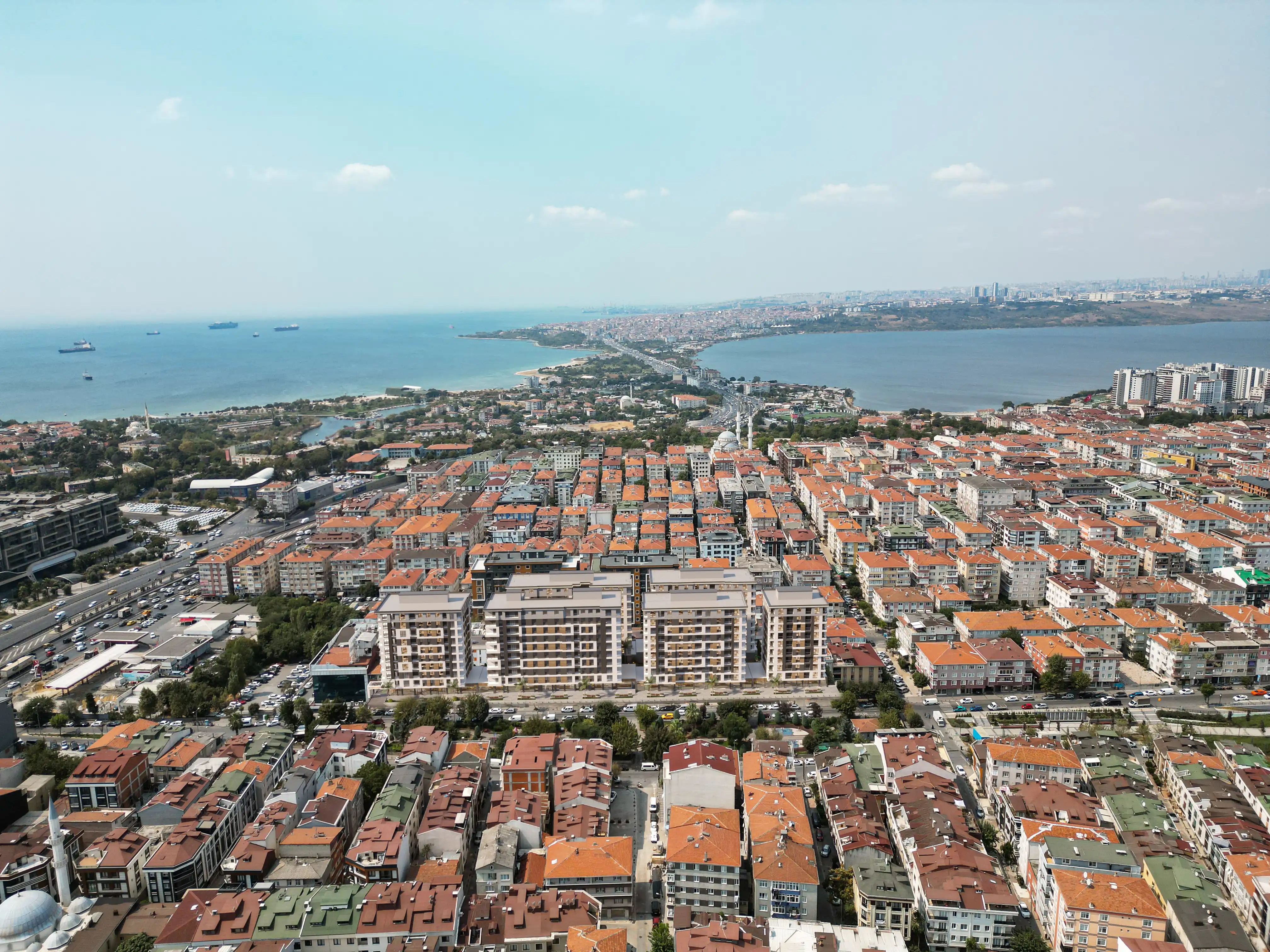
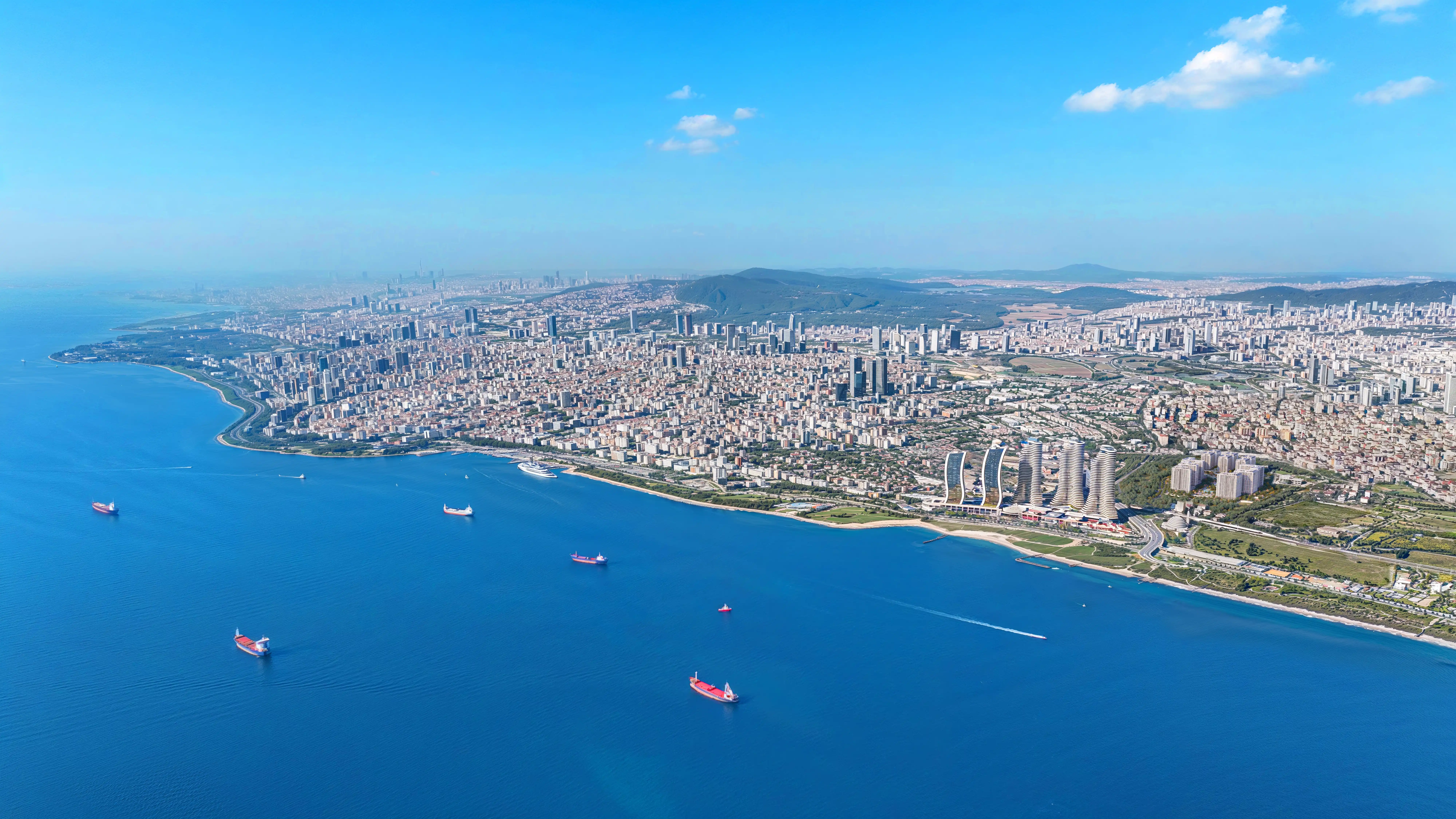
Istanbul, a city that straddles two continents, Europe and Asia, is unlike any other place in the world. With its rich history, vibrant culture, and booming economy, Istanbul has become a magnet for investors looking for lucrative property opportunities. But why exactly is this city the darling of international property investors?
First, let's talk about location. Istanbul sits at the crossroads of major trade routes, making it a key global player in commerce and tourism. Its position alone gives it immense economic power and connectivity advantages. Investors see Istanbul not just as a city but as a strategic hub with endless possibilities.
Second, the population dynamics are impressive. With over 16 million residents and growing, Istanbul is a bustling metropolis with a constant demand for housing, both for sale and rent. The city’s young, dynamic population adds to the vibrancy of its real estate market. Unlike other saturated property markets, Istanbul offers both growth and diversity.
Finally, the government has taken active steps to attract foreign investors. With citizenship by investment programs, tax incentives, and a favorable business climate, Istanbul isn’t just an attractive city—it’s an opportunity waiting to be seized. The ease of doing business here is improving year by year, which means now is arguably the best time to invest.
Overview of the Istanbul Property Market in 2025
Fast forward to 2025, and Istanbul’s property market has proven itself resilient, even amid global economic fluctuations. The city's real estate sector has bounced back strongly from past uncertainties, with stable growth patterns emerging across both residential and commercial sectors.
In 2025, Istanbul continues to attract a broad mix of investors—from regional buyers in the Middle East to Europeans and increasingly, investors from Asia and North America. This diverse investor profile is a testament to the market's global appeal.
The demand for both residential and commercial properties is at an all-time high, driven by economic stability, infrastructural improvements, and mega projects like Canal Istanbul and new metro lines. Furthermore, the property price index shows a steady upward trend, giving investors confidence in both capital appreciation and rental yields.
This isn’t just a passing trend. Analysts suggest that Istanbul is solidifying its status as a global property hotspot, and investors who get in now are positioning themselves for significant future gains.

2. Understanding the Istanbul Real Estate Market
Market Trends and Insights
The Istanbul real estate market in 2025 is characterized by rapid urban development, increasing foreign investments, and evolving buyer preferences. The city's skyline is dotted with new residential complexes, high-end office spaces, and mixed-use developments.
One of the key trends is the shift towards branded residences and luxury apartment complexes. Buyers, both local and foreign, are seeking high-end amenities, secure communities, and proximity to key business hubs. This has led to the rise of gated communities and mixed-use developments offering everything from retail spaces to fitness centers within the complex.
Another significant trend is the growth of off-plan property investments. With developers offering flexible payment plans and attractive pre-launch prices, investors are flocking to buy off-plan properties, banking on their appreciation once completed.
Additionally, sustainability is becoming a keyword in Istanbul’s property scene. Eco-friendly buildings, smart home systems, and energy-efficient designs are increasingly in demand, reflecting global shifts towards sustainable living.
Property Types Available in Istanbul
Istanbul’s property market is incredibly diverse, offering options that suit every investor profile and budget. Here’s a breakdown of the main property types available:
Apartments: The most popular choice among investors. From studio flats in city centers to luxurious penthouses with Bosphorus views, apartments offer flexible investment opportunities with varying rental yields.
Villas: Often located in suburban areas or along the Bosphorus, villas cater to high-net-worth individuals seeking privacy and exclusivity.
Commercial Properties: This includes office spaces, retail outlets, and mixed-use developments. Istanbul's growing business sector fuels constant demand for commercial real estate.
Land: Ideal for investors looking to develop residential or commercial projects. Land investment requires due diligence but can yield high returns.
Hotel Investments and Serviced Apartments: With tourism booming, investing in hotel shares or serviced apartments has become a lucrative segment.
Each property type comes with its own set of opportunities and risks. It's crucial to align your investment goals—whether it's rental income, capital growth, or diversification—with the property type you choose.
Prime Locations for Investment
Location is everything in real estate, and Istanbul is no exception. Here are some prime locations that have proven their worth to investors:
Downtown Istanbul (Taksim, Beyoglu, Sisli): Heart of business and culture, offering high rental yields and capital appreciation.
Levent and Maslak: Known as Istanbul’s business districts, these areas attract corporate tenants and command premium rents.
Kadikoy and Uskudar (Asian Side): Gaining popularity among both locals and expats for their vibrant communities and modern developments.
Bosphorus Frontline Areas (Bebek, Ortakoy, Arnavutkoy): Ultra-luxury market with some of the highest property prices in Turkey.
Basaksehir and Bahcesehir: Emerging districts with large-scale housing projects and infrastructural developments, ideal for long-term investment.
Understanding the neighborhood dynamics, future development plans, and current market performance in each area is critical before making an investment decision.

3. Why Invest in Istanbul Property?
Economic Factors Driving Investment
Istanbul’s economy is a powerhouse within Turkey and a significant player in the regional market. In 2025, Istanbul remains Turkey’s economic heart, contributing heavily to the nation’s GDP with its industries ranging from finance and manufacturing to tourism and logistics.
The city’s strategic location plays a key role in its economic success. Positioned at the junction of Europe, Asia, and the Middle East, Istanbul serves as a central hub for international business and trade. Its ports, airports, and road networks make it an essential gateway for commerce.
Moreover, Turkey’s economic reforms and Istanbul’s free market policies have created a favorable environment for both local and foreign investors. With a stable currency, increasing GDP, and a government focused on attracting foreign capital, the conditions for real estate investment are highly favorable.
The Turkish Citizenship by Investment Program further sweetens the deal. By purchasing property worth $400,000 or more, investors can gain Turkish citizenship, opening doors to business opportunities, visa-free travel, and a foothold in a growing economy.
Tourism and Rental Demand
Tourism is one of Istanbul's strongest economic pillars. The city attracted over 17 million tourists in 2024, and this number is projected to increase in 2025. With its unique blend of history, culture, shopping, and gastronomy, Istanbul remains a top global tourist destination.
This constant influx of tourists creates a robust demand for short-term rental properties. Platforms like Airbnb and Booking.com have made it easier for property owners to tap into the lucrative short-term rental market. High occupancy rates and premium nightly rates in key tourist areas make this a profitable venture.
Furthermore, Istanbul’s growing expatriate community and student population fuel demand for long-term rental properties. Investors can enjoy steady income streams from both short and long-term rentals, making Istanbul a versatile investment destination.
Capital Appreciation Potential
The Istanbul property market offers not just rental income but also impressive capital appreciation potential. Over the past decade, property prices in key districts have shown consistent growth, and forecasts for 2025 and beyond remain optimistic.
Several factors contribute to this appreciation:
Urban regeneration projects: Areas undergoing redevelopment see a significant rise in property values.
Infrastructure developments: New metro lines, bridges, and mega projects like Canal Istanbul drive up property prices in nearby areas.
Economic growth: As Istanbul's economy continues to grow, so does the value of its real estate.
For investors looking for long-term capital gains, Istanbul offers a promising outlook. Those who invest today are likely to see substantial returns in the coming years.
4. Best Districts to Buy Investment Property in Istanbul
European Side vs Asian Side: Key Differences
Istanbul’s unique geographic position as a city divided by the Bosphorus Strait means investors are often faced with a choice: European side or Asian side? Both offer distinct advantages, but understanding the nuances can help make smarter investment decisions.
The European Side is traditionally considered the heart of Istanbul, home to the city’s financial centers, historical landmarks, and a bustling nightlife scene. Neighborhoods like Besiktas, Sisli, and Beyoglu attract a mix of locals, expatriates, and tourists. The European side boasts a high demand for both residential and commercial properties, thanks to its vibrant economy and tourist-heavy districts. Investors targeting high rental yields and quick turnover often prefer this side.
On the other hand, the Asian Side offers a more relaxed, residential vibe. Areas like Kadikoy and Uskudar are known for their community atmosphere, green spaces, and family-friendly environments. The Asian side has been catching up fast in terms of infrastructure and development, making it an attractive option for long-term capital appreciation. Properties here often come at slightly lower entry prices, providing value for money and a quieter lifestyle for tenants.
Ultimately, the choice between the two sides depends on your investment goals. Are you looking for high rental yields and a bustling city vibe? The European side may be for you. Prefer long-term appreciation in a more tranquil setting? The Asian side might be the better bet.
Top European Districts for Investment (Besiktas, Sisli, Beyoglu)
When it comes to prime property investment spots on Istanbul’s European side, three districts stand out: Besiktas, Sisli, and Beyoglu.
Besiktas
Besiktas is one of Istanbul’s most prestigious neighborhoods. Located along the Bosphorus, it combines a bustling business district with luxurious residential options. Property in Besiktas commands premium prices, but it also offers some of the highest rental yields in the city, particularly for high-end apartments. The area’s proximity to business hubs and its vibrant cultural scene make it a hot favorite among young professionals and expatriates.
Sisli
Sisli is another powerhouse for property investors. Known as a business and shopping hub, Sisli attracts both residential and commercial investors. The area is filled with shopping malls, luxury hotels, and office complexes. Residential properties in Sisli are in constant demand, particularly among young professionals working in the area. Its central location ensures excellent transportation links, enhancing its investment appeal.
Beyoglu
Beyoglu is the cultural heart of Istanbul, known for its historic architecture, art scene, and vibrant nightlife. Properties here range from renovated historic buildings to modern apartments. With Taksim Square and Istiklal Avenue at its center, Beyoglu attracts a constant stream of tourists and short-term renters. This makes it a hotspot for those looking to invest in short-term rental properties.
Each of these districts offers something unique, and they all benefit from excellent transport links, ongoing urban development projects, and high rental demand.

Top Asian Districts for Investment (Kadikoy, Uskudar, Atasehir)
While the European side grabs much of the spotlight, the Asian Side is quietly emerging as a strong contender for savvy investors, thanks to its blend of residential charm and growing business presence.
Kadikoy
Kadikoy is often dubbed the “Manhattan of the Asian Side.” Known for its bustling markets, arts scene, and seaside promenade, it’s a magnet for young professionals, students, and families alike. The property market here is vibrant, with both high-end apartments and affordable options. Kadikoy also benefits from excellent ferry, metro, and bus connections, making it a commuter’s dream. Its mix of lifestyle, culture, and convenience ensures strong rental demand and long-term growth potential.
Uskudar
Uskudar is steeped in history and tradition, offering stunning Bosphorus views and a quieter, more conservative atmosphere. The area’s historical mansions and modern apartments attract a niche market, particularly families and professionals looking for a serene environment close to the city center. Uskudar’s proximity to new transport projects, including the Marmaray rail line, boosts its accessibility and investment appeal.
Atasehir
Atasehir is fast becoming the business hub of Istanbul’s Asian Side. Known for its modern residential complexes, shopping centers, and business districts, it attracts professionals working in the finance and corporate sectors. Atasehir’s planned developments, including the Istanbul International Finance Center, are expected to drive property demand and prices upwards. Investors looking for modern apartments with high appreciation potential should keep an eye on Atasehir.
These districts offer a mix of lifestyle and investment advantages, making the Asian side of Istanbul a compelling choice for both rental income and capital growth.
5. Types of Investment Properties in Istanbul
Residential Properties: Apartments and Villas
The backbone of Istanbul’s property market is its residential sector, with apartments and villas offering the most accessible entry points for investors.
Apartments
Apartments are by far the most popular investment choice in Istanbul. They offer flexibility, whether for long-term rental income or short-term vacation rentals. Investors can choose from a wide range of options, from compact studios in bustling city centers to luxurious penthouses with breathtaking Bosphorus views. The demand for well-located, modern apartments remains high, particularly in areas close to business hubs, universities, and tourist attractions.
Key Investment Advantages of Apartments:
Lower entry costs compared to villas and commercial properties.
Steady rental income with strong demand from both locals and expats.
Easier resale due to high market liquidity.
Villas
For those with higher budgets, villas present an exclusive investment opportunity. Often located in upscale neighborhoods like Bebek, Sariyer, or Buyukcekmece, villas cater to high-net-worth individuals seeking privacy and luxury. These properties can command premium rental rates, especially among diplomats, executives, or affluent families.
Key Investment Advantages of Villas:
High rental yields in luxury segments.
Significant capital appreciation in prime locations.
Prestige and exclusivity appeal.
While villas require a larger upfront investment, they also offer higher returns, especially when located in sought-after districts with scenic views and proximity to key amenities.
Commercial Properties: Offices and Retail Spaces
Istanbul’s growing economy and strategic location make commercial properties an attractive option for investors looking for higher returns and diversified portfolios.
Office Spaces
With Istanbul’s rise as a business hub, the demand for office spaces remains strong. Districts like Levent, Maslak, and Atasehir are known for their concentration of office complexes and business centers. Investing in office spaces in these areas can yield stable, long-term rental income, especially when leased to multinational companies or large corporations.
Retail Spaces
Retail real estate, including shops, boutiques, and malls, is another lucrative sector. Istanbul’s vibrant shopping culture and high foot traffic in commercial zones like Istiklal Avenue and Bagdat Street make retail spaces a high-demand asset. Rental yields for prime retail locations often surpass those of residential properties.
Key Advantages of Commercial Properties:
Long-term lease agreements with corporate tenants.
Higher rental yields compared to residential properties.
Less tenant turnover, reducing management hassles.
However, commercial properties may require higher initial investments and involve more complex lease negotiations. Thorough market research and legal due diligence are essential.

Holiday Homes and Short-Term Rentals
One of the booming sectors in Istanbul’s property market is the short-term rental market, fueled by the city’s ever-growing tourism sector.
Holiday Homes
Investors purchasing holiday homes in tourist hotspots like Sultanahmet, Galata, or Kadikoy can tap into the short-term rental market, offering properties on platforms like Airbnb or Booking.com. Holiday homes are particularly attractive due to their flexibility — they can serve as personal vacation spots while generating income when rented out.
Short-Term Rentals
Short-term rentals offer higher per-night rates compared to traditional long-term leases. High occupancy rates, especially in tourist-heavy seasons, make this a lucrative option. However, it requires active management, regular maintenance, and compliance with local regulations on short-term letting.
Key Advantages of Holiday Homes and Short-Term Rentals:
High rental income during peak tourist seasons.
Flexible usage options for personal and business purposes.
Strong demand in centrally located or tourist-favored districts.
Investors should be aware of Istanbul’s evolving regulations on short-term rentals and ensure they comply to avoid potential legal issues.
6. Legal Considerations When Buying Property in Istanbul
Understanding Turkish Property Laws
Before diving into Istanbul’s property market, it’s essential to familiarize yourself with Turkey’s legal framework regarding real estate. Fortunately, Turkey has streamlined its property laws over the years to attract foreign investors. However, understanding the process and legalities can help avoid costly mistakes.
Foreigners are generally allowed to buy property in Turkey, but there are some restrictions. For example:
Certain military zones and restricted areas are off-limits.
A foreigner cannot own more than 30 hectares of land in total across Turkey.
Properties must be registered with the Land Registry and Cadastre Directorate.
It’s highly advisable to work with a licensed real estate agent and a competent lawyer. They can ensure that the property has a clean title, no encumbrances, and is eligible for foreign ownership. Additionally, they’ll guide you through the necessary paperwork, ensuring that all transactions are legal and transparent.
The Buying Process for Foreigners
The property buying process in Istanbul is straightforward but requires attention to detail. Here's a typical step-by-step guide for foreign investors:
Property Selection and Negotiation
After selecting a suitable property, negotiate the price and payment terms. This is often done through a real estate agent who acts as a mediator between buyer and seller.
Due Diligence and Legal Checks
Hire a lawyer to conduct thorough due diligence. This includes checking the property’s title deed, verifying the seller's credentials, and ensuring there are no outstanding debts or legal issues tied to the property.
Signing the Sales Agreement
Once all legal checks are clear, a preliminary sales agreement is signed. This outlines the terms of the sale, including price, payment schedule, and handover date. At this point, a deposit (usually around 10%) is paid.
Obtaining a Tax Number and Opening a Bank Account
As a foreign buyer, you’ll need a Turkish tax identification number. This is required for all financial transactions. Opening a Turkish bank account is also necessary for making payments.
Official Property Transfer at Land Registry Office
The final sale is completed at the Land Registry Office, where the title deed is officially transferred to your name. The remaining balance is paid at this stage, and taxes and fees are settled.
Title Deed Registration and Handover
After the title deed is registered, the property is officially yours. The keys are handed over, and you are now the legal owner.
This structured approach minimizes risks and ensures a smooth transaction.
Taxes and Fees Involved
When purchasing property in Istanbul, there are several taxes and fees you’ll need to budget for:
Title Deed Transfer Tax: Typically 4% of the property's declared value, usually split equally between buyer and seller unless otherwise agreed.
Value Added Tax (VAT): Varies from 1% to 18% depending on the property type and whether the buyer is eligible for VAT exemption.
Legal Fees: Hiring a lawyer usually costs between $1,500 to $3,000.
Agent’s Commission: Generally 2% to 3% of the property price.
Property Appraisal Report Fee: Approximately $300 to $500, mandatory for foreign buyers.
Annual Property Tax: Varies based on the municipality and property value, but generally around 0.2% to 0.6%.
It’s important to factor in these costs when planning your investment budget to avoid surprises later.
7. Financing Options for Property Investment in Istanbul
Mortgage Options for Foreign Investors
Turkey offers several mortgage options for foreign investors looking to finance their property purchases. While not every bank extends loans to foreigners, many major Turkish banks do, often with competitive interest rates and flexible terms.
Key Points to Consider:
Loan-to-Value (LTV) Ratio: Generally up to 50-70% of the property's appraised value.
Loan Term: Typically ranges from 5 to 15 years.
Interest Rates: These can vary widely based on the bank, borrower profile, and loan term, averaging between 10-15% annually.
Application Requirements: Valid passport, Turkish tax ID, proof of income, and sometimes a local guarantor.
While local financing is available, many foreign investors opt for self-financing or use loans from their home country due to better interest rates or more flexible terms.
Alternative Financing Solutions
Apart from traditional bank loans, there are other financing options to consider:
Developer Financing: Some property developers offer installment plans with low or zero interest rates, especially for off-plan purchases. These deals are often negotiable and can be tailored to suit the buyer's budget.
Private Lending: Investors can explore private lenders, although these usually come with higher interest rates and stricter repayment terms.
Equity Partnerships: Partnering with local investors or businesses can be a way to pool resources and share investment risks.
Alternative financing can provide flexibility, especially for those not qualifying for traditional bank loans.
Pros and Cons of Financing vs. Cash Purchase
Financing Pros:
Allows leveraging your investment capital.
Maintains liquidity for other investments.
May offer tax deductions on interest payments.
Financing Cons:
Interest payments increase overall costs.
Risk of currency fluctuations affecting repayment amounts.
Additional legal and administrative requirements.
Cash Purchase Pros:
Simplified transaction process.
Stronger negotiating power with sellers.
No interest costs or debt obligations.
Cash Purchase Cons:
Higher upfront capital requirement.
Opportunity cost of tying up funds in a single investment.
Choosing between financing and cash purchase depends on your financial strategy, risk appetite, and investment goals.
8. Rental Yields and ROI in Istanbul
Average Rental Yields by District
Istanbul offers diverse rental yields depending on the district and property type. Here's a snapshot of average gross rental yields in 2025:
| District | Average Rental Yield (Annual) |
|---|---|
| Besiktas | 5% - 7% |
| Sisli | 5% - 6% |
| Beyoglu | 6% - 8% |
| Kadikoy | 4% - 5% |
| Uskudar | 4% - 5% |
| Atasehir | 5% - 6% |
Short-term rentals in tourist areas like Beyoglu and Sultanahmet often exceed 8% annual returns, especially during peak seasons.
Strategies to Maximize ROI
To make the most of your Istanbul property investment, consider these strategies:
Focus on Emerging Districts: Areas undergoing redevelopment or infrastructural improvements often yield higher appreciation rates.
Consider Off-Plan Investments: Buying at pre-launch prices from reputable developers can result in significant price increases upon completion.
Leverage Short-Term Rental Platforms: Airbnb and similar platforms offer higher income potential compared to long-term leases.
Regular Property Maintenance: Well-maintained properties attract better tenants and justify higher rental prices.
Active management and market research are key to maximizing your investment returns.
Long-Term vs. Short-Term Rentals
Long-Term Rentals:
Provide stable income and lower management hassle.
Ideal for residential apartments in business districts.
Lower vacancy risk with committed tenants.
Short-Term Rentals:
Higher income potential, especially in tourist areas.
Requires active management and frequent guest turnover.
Subject to local regulations which may change.
Both strategies have their merits, and some investors opt for a mixed approach based on market demand and property location.
9. Risks and Challenges of Investing in Istanbul Property
Market Volatility and Economic Risks
Like any property market, Istanbul’s real estate is subject to economic fluctuations. Currency devaluations, inflation, and political changes can impact property values and rental income. While Istanbul has shown resilience, investors should always be prepared for market volatility.
Legal and Regulatory Risks
Changes in regulations, particularly concerning foreign ownership or short-term rentals, can pose challenges. Keeping abreast of legal updates and working with knowledgeable professionals is critical to navigating the market safely.
Managing Properties from Abroad
For foreign investors not residing in Turkey, managing property remotely can be challenging. Hiring a reputable property management company is often the best solution to ensure your investment is well maintained, tenants are handled professionally, and rental income is optimized.
10. Future Outlook for Istanbul's Property Market
Growth Projections
Experts predict continued growth in Istanbul’s property market, driven by ongoing infrastructural projects like the Istanbul International Finance Center and Canal Istanbul. These mega projects are set to transform the city’s landscape and increase property demand, especially in nearby districts.
Upcoming Infrastructure Projects Impacting Property Value
Infrastructure projects such as new metro lines, bridges, and transportation hubs often lead to a surge in nearby property prices. Investors keeping an eye on these developments can position themselves for significant capital appreciation.
Emerging Investment Trends
The future of Istanbul’s property market is likely to see:
Increased demand for smart and sustainable homes.
Rising popularity of co-living and co-working spaces.
Expansion of luxury and branded residences.
Staying ahead of these trends will be crucial for investors looking to maximize returns and adapt to a dynamic market.
11. How to Choose the Right Property in Istanbul
Factors to Consider Before Buying
Choosing the right investment property in Istanbul isn’t just about finding a beautiful apartment or a luxurious villa. It’s about aligning your purchase with clear financial goals and understanding market nuances. Here are the key factors every investor should consider:
Location: This is the most critical factor. Proximity to business centers, transportation hubs, schools, and tourist attractions can significantly impact rental yields and property appreciation.
Developer Reputation: Especially important for off-plan projects. Work with well-established developers with a proven track record of quality and timely delivery.
Property Condition: Whether buying new or resale, the condition of the property affects rental potential and maintenance costs.
Legal Clearances: Ensure the property has a clean title deed, necessary building permits, and complies with local zoning laws.
Rental Demand in the Area: Research the tenant demographics, demand trends, and average rental prices in the district.
It’s always recommended to visit the property personally or appoint a trusted agent to conduct a thorough inspection before making a decision.
Working with Real Estate Agents and Consultants
The Istanbul property market can be complex, especially for foreign buyers. Partnering with an experienced, licensed real estate agent or consultant can make a world of difference. Here’s why:
Market Knowledge: Local agents have insider knowledge of market trends, property values, and investment hotspots.
Negotiation Skills: Skilled agents can negotiate better deals and help you avoid overpriced properties.
Legal Guidance: They often work alongside reputable lawyers to ensure the property’s legal standing is clear.
Choose agents with positive client reviews, transparent practices, and no hidden fees. A good agent will act as your advisor, not just a salesperson.
Conducting Due Diligence
Due diligence is more than just a legal formality — it’s your financial safety net. Here’s a checklist to guide you:
Verify the property title deed and check for liens or mortgages.
Confirm the developer’s license and project permits for new builds.
Inspect the property’s condition or hire a professional for evaluation.
Review the rental history if purchasing a buy-to-let property.
Check local regulations regarding rentals and property taxes.
Doing your homework will help avoid future legal or financial headaches.
12. Citizenship by Investment Program
Overview of Turkey’s Citizenship Program
Turkey’s Citizenship by Investment Program is one of the most attractive in the world, especially for investors seeking a gateway into global markets. The program allows foreign nationals to obtain Turkish citizenship by investing in real estate worth at least $400,000.
What makes this program appealing is its simplicity and speed. The process typically takes between 3 to 6 months, making it one of the fastest routes to citizenship through real estate investment.
How Real Estate Investment Can Qualify You
To qualify for Turkish citizenship through property investment, here are the key requirements:
Purchase real estate worth at least $400,000.
The property must be registered in your name.
The property cannot be sold for at least 3 years.
An official appraisal report must confirm the property value.
Payment must be made via a Turkish bank account.
The investment can be spread across multiple properties as long as the total value meets the threshold.
Benefits of the Program for Investors
Acquiring Turkish citizenship opens up a range of benefits:
Visa-Free Travel: Access to over 110 countries, including Japan, South Korea, and most Latin American countries.
Work and Business Opportunities: As a citizen, you have the right to work, own businesses, and invest freely in Turkey.
Pathway to E-2 Visa in the USA: Turkish citizens can apply for the E-2 investor visa in the United States.
Family Inclusion: Your spouse and children under 18 can also obtain citizenship.
This program is a significant incentive for investors seeking both financial and personal benefits.
13. Property Management and Maintenance in Istanbul
Managing Your Property Remotely
For foreign investors, property management can be a challenge, especially when not residing in Turkey. Hiring a professional property management company is often the best solution.
Services typically offered by management companies include:
Tenant sourcing and screening.
Rent collection and financial reporting.
Property maintenance and repairs.
Handling legal and regulatory compliance.
Fees range between 5% to 10% of monthly rental income, but the peace of mind they offer is invaluable.
Maintenance and Upkeep Costs
Owning property in Istanbul comes with regular maintenance responsibilities:
HOA Fees: Varies by property type and location, usually around $50 to $200 per month.
Utilities and Services: Tenants often cover these, but vacant properties will still incur basic charges.
Repairs and Renovations: Budget for periodic upkeep, especially for older properties.
Routine maintenance ensures your property retains its value and remains attractive to tenants or future buyers.
Hiring Property Management Companies
When selecting a property management company, consider:
Their experience with foreign clients.
Transparency in fees and services.
Client testimonials and references.
Range of services offered, especially for short-term rentals.
A good property manager acts as your local partner, maximizing your investment returns with minimal hassle.
14. Tips for First-Time Investors in Istanbul
Common Mistakes to Avoid
First-time investors often fall into these traps:
Skipping Legal Due Diligence: Always have a lawyer verify documents.
Overlooking Hidden Costs: Taxes, maintenance, and management fees can add up.
Ignoring Market Research: Understand district dynamics and rental demand before buying.
Emotional Buying: Don’t purchase based on aesthetics alone; focus on ROI.
Underestimating Currency Risks: Currency fluctuations can affect your returns.
Best Practices for a Successful Investment
Follow these best practices to increase your success rate:
Work with Reputable Agents and Lawyers.
Diversify Your Investment Portfolio: Consider different property types or districts.
Stay Updated on Market Trends and Regulations.
Factor in All Costs When Calculating ROI.
Consider Professional Property Management.
Smart investing is about planning, research, and making informed decisions.
Leveraging Local Expertise
Building a local network of trusted professionals can make your investment journey much smoother. This includes:
Real estate agents.
Legal advisors.
Property managers.
Financial consultants.
Their local insights can help you navigate the market more effectively.
15. Conclusion
Summarizing Key Takeaways
Investing in Istanbul’s property market in 2025 offers a unique blend of cultural charm, economic opportunity, and financial gain. With its strategic location, dynamic economy, and booming real estate sector, Istanbul remains a top destination for savvy investors worldwide.
From choosing the right property and understanding the legal framework to maximizing rental yields and leveraging the citizenship program, success lies in thorough research, due diligence, and strategic planning.
Final Thoughts on Investing in Istanbul Property
Whether you're seeking steady rental income, long-term capital appreciation, or a pathway to Turkish citizenship, Istanbul’s real estate market holds incredible potential. By following the right steps, partnering with trustworthy local experts, and staying informed about market trends, you can turn your property investment into a rewarding venture.
FAQs
1. Is Istanbul a good place to buy property for foreigners?
Yes, Istanbul is highly attractive for foreign investors due to its strategic location, strong rental market, and capital appreciation potential.
2. Can foreigners buy property in Istanbul easily?
Yes, the Turkish government encourages foreign ownership, and the process is straightforward with proper legal assistance.
3. What are the risks of investing in Istanbul property?
Market volatility, legal complexities, and property management challenges are key risks. Proper due diligence and expert guidance help mitigate them.
4. How much rental yield can I expect in Istanbul?
Rental yields vary by district, generally ranging from 4% to 8% annually, with short-term rentals offering higher returns.
5. Is it better to buy on the European or Asian side of Istanbul?
Both sides have unique advantages. The European side offers higher rental yields and business opportunities, while the Asian side provides long-term growth and residential appeal.




Have Question Or Suggestion ?
Please Share Your Thought, To Make It Real