Shopping in Istanbul – The Ultimate Guide to the City’s Markets & Malls
Discover the best places to shop in Istanbul—from traditional bazaars to modern malls. Learn what to buy, where to go, and how to haggle like a local.
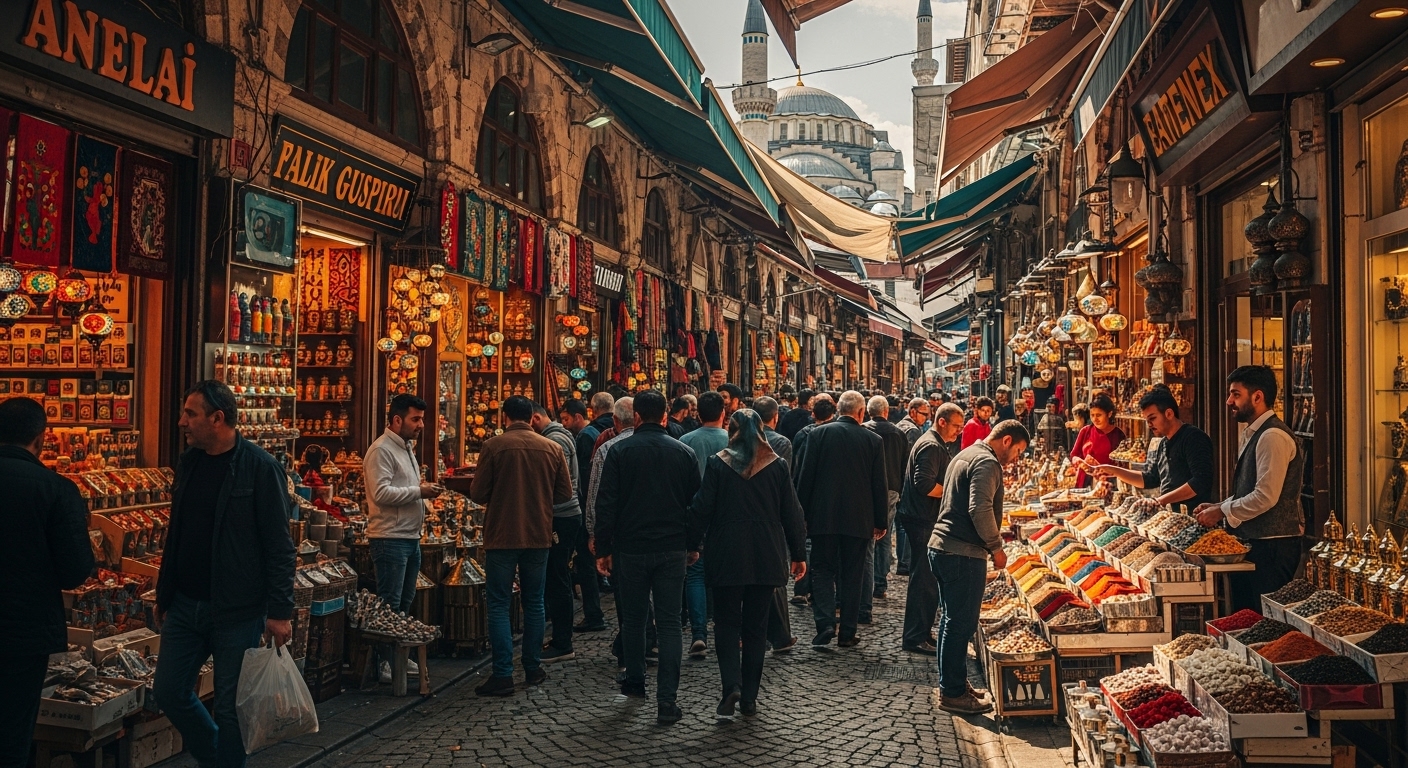
1. Introduction to Istanbul’s Shopping Culture
The Blend of Tradition and Modernity
Istanbul, a city that straddles two continents, isn't just rich in history and culture—it's also one of the most exciting shopping destinations in the world. What makes shopping in Istanbul unique is how it seamlessly blends the old with the new. From centuries-old bazaars brimming with traditional crafts to gleaming malls packed with international brands, this city offers a dazzling array of choices for every kind of shopper.
Walking through Istanbul is like moving through a living museum with a shopping twist. One moment you're admiring Ottoman architecture, and the next, you're bargaining for handmade ceramics. There’s an energy in the air—part marketplace hustle, part Turkish charm. The culture of commerce runs deep here, going back to the Silk Road era, and that legacy continues in full swing today.
People in Istanbul don’t just shop—they make an experience out of it. Whether it's sipping Turkish tea while browsing rugs or sampling lokum before buying, there's a sense of hospitality infused in every transaction. It's not just about what you buy; it’s about the story behind it and the people you meet along the way.
Why Istanbul is a Shopper’s Dream
Why do so many people flock to Istanbul with empty suitcases and return with bags stuffed full of treasures? Because this city is a shopping paradise, plain and simple. You’ve got affordability compared to many European capitals, variety that ranges from high-end fashion to artisanal trinkets, and the charm of discovery around every corner.
Istanbul caters to all types of shoppers. Are you a luxury lover? Head to Nişantaşı. Prefer local and handmade items? The Grand Bazaar awaits. Into modern styles? Check out Istiklal Street or the city's massive shopping malls. And for the foodies—just wait until we dive into the Spice Bazaar.
Even better, many vendors offer shipping options, which means you can shop big and still travel light. Add to that tax-free shopping for tourists, frequent sales, and an enthusiastic vendor culture, and you’ve got a city that knows how to sell—and sell well.
2. Grand Bazaar – The Heartbeat of Traditional Turkish Shopping
What to Expect at the Grand Bazaar
The Grand Bazaar (Kapalıçarşı) isn’t just a market—it’s a world of its own. With over 4,000 shops spread across 60+ streets, it’s one of the oldest and largest covered markets in the world. It’s chaotic, colorful, and absolutely captivating. Every visit feels like an adventure into Istanbul’s commercial soul.
Expect a sensory overload: the clinking of tea glasses, the scent of leather and spices, the vibrant mosaic lamps dangling overhead. It’s easy to get lost—both literally and figuratively—in its labyrinthine alleys. But that’s part of the charm. Wandering aimlessly often leads to the best discoveries.
From antique shops and handwoven carpets to gold jewelry and embroidered textiles, the bazaar is a haven for collectors and casual buyers alike. Shops are usually small and family-owned, and many have been handed down through generations.
Must-Buy Items and Bargaining Tips
If there’s one place in Istanbul where you must hone your haggling skills, it’s the Grand Bazaar. Bargaining here isn’t just accepted—it’s expected. Start by offering half of the asking price and negotiate from there. Vendors love the dance of the deal, and you’ll earn their respect by playing the game with a smile.
Top items to buy include:
Handwoven rugs and kilims – Often crafted with symbolic motifs.
Evil eye charms (Nazar Boncugu) – A classic souvenir and good luck symbol.
Hand-painted ceramics – Especially bowls and plates from İznik.
Leather goods – Jackets, bags, and belts in quality Turkish leather.
Gold and silver jewelry – At surprisingly competitive prices.
Textiles and scarves – Lightweight, colorful, and ideal for gifting.
Pro tip: Don’t rush. Vendors will offer you tea—accept it. Chat, explore, and enjoy the process. The Grand Bazaar isn’t about efficient shopping; it’s about the art of the find.
3. Spice Bazaar – A Feast for the Senses
Aromas, Flavors, and Traditional Turkish Delicacies
Located near the Eminönü district, the Spice Bazaar (Mısır Çarşısı) is smaller than the Grand Bazaar but just as magical. As soon as you step inside, you’re enveloped by the heady mix of spices, sweets, and dried fruits. It’s an olfactory rollercoaster that delights with every breath.
The arched ceilings and colorful stalls create an atmosphere that’s as photogenic as it is delicious. Vendors offer generous samples—don’t be shy about trying before you buy. Turkish hospitality means you’ll likely leave with full hands and an even fuller belly.
Beyond spices, you’ll find:
Herbal teas blended with rose, hibiscus, and apple
Dried figs and apricots, often stuffed with nuts
Turkish delight (lokum) in flavors like rose, pomegranate, and pistachio
Saffron, sumac, cumin, and za'atar
Many shops also sell natural remedies, essential oils, and traditional Turkish beauty products like rosewater and handmade soaps.
Tips for Buying Spices and Local Treats
When buying spices, look for freshness. Avoid powders that seem dull or stale. Go for vendors with high turnover—they restock often. Buying in bulk saves money, but make sure to check customs regulations if you're taking them abroad.
Prices are usually posted, but some negotiation is still possible, especially if you're buying in quantity. Ask for vacuum sealing if you're worried about freshness or travel spills.
For Turkish delight and sweets, always taste before buying. There’s a wide range of quality, and some cheaper varieties are overly sweet or artificial. Trust your palate, and don’t be swayed solely by bright colors.
Want to gift something unique? Go for mixed spice kits or decorative tins of baklava. They travel well and make impressive presents.
4. Istiklal Street – The Modern Shopping Avenue
International Brands and Turkish Designers
Istiklal Caddesi, stretching from Taksim Square to Galata Tower, is Istanbul’s bustling pedestrian boulevard. It’s where the city’s heartbeat is most palpable, and its storefronts are a mix of global fashion names and homegrown Turkish brands.
Whether you’re looking for H&M, Zara, or Mango, or something more local like Mavi (jeans) or Vakko (luxury), Istiklal’s got you covered. It’s fast-paced, fashionable, and filled with trendy boutiques, concept stores, and flagships.
The appeal here lies in convenience and variety. Unlike bazaars, you don’t need to haggle. Prices are fixed, and quality is assured. Many stores have seasonal sales, and it's not uncommon to find high-end fashion at very reasonable prices.
Hidden Boutiques and Street Performers
One of Istiklal’s charms is its many side streets and hidden courtyards, where boutique shops sell everything from handmade jewelry to vinyl records. Don’t stick to the main drag—explore the nooks and crannies. You might stumble upon an indie Turkish designer or a cozy café tucked between the buildings.
And let's not forget the atmosphere. Street musicians, performers, and artists line the boulevard, turning a shopping trip into a cultural experience. Grab a simit (Turkish bagel), sip a strong Turkish coffee, and soak it all in.
Even if you're not shopping, Istiklal is a must-visit for the sheer energy and vibe of Istanbul.
5. Shopping Malls in Istanbul – Where Luxury Meets Convenience
Top Malls You Should Visit
Don’t overlook the malls when shopping in Istanbul. They’re sleek, stylish, and packed with everything from designer stores to dining options and cinemas. Some of the best include:
Zorlu Center – Home to brands like Louis Vuitton, Apple, and Valentino.
Kanyon – An architecturally unique, open-air mall with mid to high-end fashion.
İstinye Park – Luxury meets lifestyle with brands like Prada and Gucci.
Forum Istanbul – Great for families, it also houses Sea Life Aquarium.
Each mall offers something different, whether it’s a luxury fashion fix, a tech shopping spree, or a casual family outing.
What Makes Istanbul’s Malls Unique?
What sets these malls apart from others worldwide is how they incorporate Turkish aesthetics and hospitality. You’ll often find beautiful interiors with Ottoman-inspired decor, Turkish tea corners, and even art exhibitions.
Many malls feature Turkish brands that you won’t find abroad, offering a unique chance to bring home something stylish and original. The food courts are an experience too—with everything from traditional kebabs to international cuisine.
And perhaps best of all, the air conditioning offers a welcome escape from the summer heat. So if you need a breather, a shopping mall might just be your oasis.
6. Nişantaşı – The Upscale Shopping District
A Hub for Designer Fashion and Elegance
Nişantaşı is Istanbul’s answer to Fifth Avenue or the Champs-Élysées—a chic, upscale neighborhood where fashion takes center stage. It’s the go-to destination for anyone who craves luxury and elegance, and it's particularly popular with the city’s elite and fashion-forward crowd. If you're looking to splurge or simply admire designer collections, this is where you need to be.
This stylish quarter is home to global luxury brands like Chanel, Louis Vuitton, and Prada, nestled comfortably alongside Turkey’s own high-end labels like Vakko, Beymen, and Damat. You’ll find flagship stores with elegant displays, offering everything from haute couture to premium accessories.
What makes shopping in Nişantaşı truly special is the experience. The streets are clean and well-maintained, lined with charming cafes, historic architecture, and tree-lined boulevards. It’s not just a shopping trip—it’s a fashion statement in itself. Expect to see locals dressed to the nines, turning every stroll into a runway show.
For those interested in custom-made fashion, many boutiques in Nişantaşı offer bespoke tailoring services. Whether it’s a hand-stitched suit or a custom gown, you’ll find craftsmanship at its finest here.
Cafés, Galleries, and High-End Boutiques
One of the best things about Nişantaşı is that it's not just a commercial hub—it’s a lifestyle destination. After browsing the latest in designer fashion, you can settle into one of the district’s stylish cafés or patisseries. Think marble counters, espresso machines hissing in the background, and fashionable patrons discussing art and business.
Speaking of art, Nişantaşı also has a strong cultural side. Several galleries and design studios are tucked into its corners, showcasing contemporary Turkish art and international exhibitions. This fusion of fashion and creativity gives the neighborhood a cosmopolitan, European feel.
Don’t miss the chance to explore Abdi İpekçi Street, the crown jewel of Nişantaşı. This elegant boulevard is lined with top designer stores and some of the most luxurious real estate in Istanbul. Whether you're buying or window shopping, it’s an indulgent experience that’s hard to forget.
7. Local Bazaars and Street Markets
Exploring Istanbul’s Weekly Markets
Beyond the famed Grand and Spice Bazaars, Istanbul is dotted with weekly street markets (called "pazar") that offer a completely different kind of shopping experience. These aren’t tourist hotspots—they’re where locals go to buy fresh produce, clothes, household goods, and more. And they’re brimming with energy, color, and unbeatable bargains.
Each neighborhood typically hosts its own pazar on a specific day. For example:
Feriköy Organic Market (Saturday) – Ideal for organic foods and artisanal products.
Kadıköy Tuesday Market – One of the biggest and most famous in the Asian side.
Yeşilköy Wednesday Market – Known for its high-quality clothing and accessories.
Bakırköy Saturday Market – Great for fashion finds at low prices.
These markets are a treasure trove for bargain hunters. You can score brand-name knockoffs, quirky accessories, and trendy clothes at a fraction of the price you'd pay in stores. Just remember, cash is king in most street markets, so come prepared.
What You Can Find Beyond the Big Bazaars
While the Grand and Spice Bazaars are iconic, Istanbul’s smaller markets offer more local flavor and often better prices. You’ll find items like:
Fresh fruits and vegetables
Cheese, olives, and Turkish pickles (turşu)
Kitchenware and home decor
Textiles, scarves, and budget-friendly fashion
Handcrafted soaps, lotions, and small gifts
The atmosphere at these markets is different from the tourist zones. It’s louder, faster, and more about function than flair. But that’s what makes them so authentic. You’ll hear vendors shouting daily specials, see local aunties haggling over tomatoes, and maybe even get a cooking tip or two.
If you're staying in Istanbul for more than a couple of days, visiting a local pazar offers a real glimpse into everyday life. It’s where Istanbulites shop, gossip, and connect—and it’s where savvy tourists can discover hidden gems.
8. Arasta Bazaar – Hidden Gem Near the Blue Mosque
History and Authentic Souvenirs
Tucked behind the majestic Blue Mosque in Sultanahmet, the Arasta Bazaar is a lesser-known gem that offers a more relaxed and intimate shopping experience compared to the sprawling Grand Bazaar. This charming row of shops was originally built to support the mosque financially and continues to thrive as a quiet, historical marketplace.
With around 70 shops lining a single pedestrian street, Arasta Bazaar focuses on quality over quantity. You won’t be overwhelmed here, which is a big plus if you’re not a fan of crowds. The vendors are more laid-back, and the atmosphere is peaceful, making it a great spot for leisurely browsing.
Shops here sell a curated selection of items, including:
Hand-painted Iznik tiles
Antique rugs and textiles
Turkish calligraphy and miniatures
Unique jewelry pieces
Traditional Ottoman-inspired gifts
Prices tend to be slightly higher than in other bazaars, but the quality often justifies it. Plus, the lack of aggressive sales tactics makes the experience more enjoyable, especially for first-time visitors.
Shopping in a More Relaxed Atmosphere
What sets Arasta Bazaar apart is its vibe. It's quieter, cleaner, and easier to navigate than many of the other traditional markets. You can stroll at your own pace, chat with shop owners, and really get to know the stories behind the items on sale.
Many of the vendors here are experts in their fields—tile artists, rug connoisseurs, or antique collectors. They’re happy to share their knowledge, which adds a lot of depth to your purchases. Buying here feels more personal and meaningful, especially when you're investing in handmade or heritage pieces.
Right at the end of the bazaar, there’s a small open-air café where you can relax with a glass of tea or a Turkish coffee while admiring your finds. Behind the bazaar lies the Great Palace Mosaic Museum, which is also worth a visit if you’re in the area.
If you want an authentic shopping experience without the hustle, Arasta Bazaar is your sanctuary.
9. Turkish Carpets and Kilims – A Cultural Keepsake
Understanding the Craftsmanship
One of the most iconic items to buy in Istanbul is a Turkish carpet or kilim. These are not just home decor—they’re cultural treasures, rich with history and symbolism. Whether it’s a hand-knotted wool rug or a flat-woven kilim, each piece tells a story through its patterns, colors, and techniques.
Turkish carpets are known for their:
Durability – Made from high-quality wool, silk, or cotton
Intricate patterns – Often featuring tribal, floral, or geometric designs
Symbolism – Motifs like stars, eyes, and animals carry cultural meanings
The process of creating one carpet can take weeks or even months. Skilled artisans often use traditional looms and natural dyes. Some carpets are crafted by nomadic tribes, while others come from established weaving centers like Hereke, Kayseri, or Konya.
Understanding the difference between machine-made and handmade rugs is key. A real handmade rug has imperfections—that’s part of its charm. Flip it over, and you’ll see the knotting and pattern clarity. If every line looks identical, it’s likely machine-made.
Where to Buy Authentic Carpets in Istanbul
The Grand Bazaar is a popular place to start, but it’s also full of tourist traps. Look for carpet shops that offer demonstrations and detailed explanations. Many reputable dealers will take you through the rug-making process and even invite you to feel the fibers or watch a weaver at work.
Other great places include:
Nakkaş Oriental Rugs – Near Sultanahmet, known for its museum-quality collection
Galerie İkman – A photographic gem, popular with tourists and locals alike
Sofa Art & Antiques – Offers antique rugs and deep historical insights
Don’t feel pressured to buy on the spot. A good dealer will allow you to think it over, offer worldwide shipping, and provide a certificate of authenticity.
Buying a carpet in Istanbul is an investment. But if you choose wisely, it becomes a lifelong memento—a piece of Turkish culture you can walk on every day.
10. Jewelry Shopping in Istanbul
Gold, Silver, and Gemstones Galore
Jewelry in Istanbul is more than decoration—it’s an art form. The city has a long-standing tradition of crafting beautiful pieces from gold, silver, and semi-precious stones. Whether you're after modern designs or traditional Ottoman styles, Istanbul is a haven for jewelry lovers.
You’ll find:
22-karat gold bangles and chains
Ottoman-style rings with intricate filigree
Earrings and pendants featuring turquoise, onyx, and amber
Silverwork with cultural symbols like the evil eye and tulip
Jewelry shops can be found in every market and mall, but some of the best collections are in the Grand Bazaar. Here, you’ll encounter rows upon rows of sparkling displays, and each shop offers something unique—some specialize in antique pieces, others in wedding sets or custom-made designs.
How to Spot Quality and Get the Best Deal
To avoid overpaying or buying low-quality items, follow these tips:
Know the gold karat system – 24k is pure gold, but 22k and 18k are more durable.
Ask for certification – Reputable jewelers provide paperwork that details weight, karat, and stone quality.
Understand pricing – Gold prices fluctuate daily, so check the current rate before buying.
Don’t rush – Look at several shops, compare prices, and don't hesitate to walk away if something feels off.
Bargaining is common, especially in bazaars. In malls, prices are often fixed but can include discounts or tax refunds for tourists.
If you’re interested in custom designs, many jewelers can create bespoke pieces tailored to your taste and budget. Just be sure to allow a few days for the work to be completed.
11. Buying Turkish Delights and Sweets
Iconic Treats You Can’t Miss
If you’ve ever heard of Turkish delight (locally called lokum), you probably associate it with sweet, chewy cubes dusted in powdered sugar. But until you’ve tried the real thing in Istanbul, you haven’t really tasted Turkish delight. The city is home to some of the oldest and finest confectioners in the world—places where recipes have been passed down for generations.
The most popular flavors include:
Rose
Pomegranate with pistachios
Lemon
Orange
Double-roasted hazelnut
Mint and mastic
These confections aren’t just about flavor—they’re a symbol of Turkish hospitality. Locals serve them with coffee or tea when entertaining guests. Each bite is a burst of sweetness and texture, often enhanced by nuts, fruit, or floral essences.
But Turkish sweets don’t stop at lokum. Istanbul is a dream for anyone with a sweet tooth. You’ll also find:
Baklava – Flaky, syrup-soaked layers of pastry filled with pistachios or walnuts.
Sütlaç – Turkish rice pudding, often baked in clay pots.
Künefe – A warm dessert of shredded pastry and melted cheese soaked in syrup.
These sweets are available everywhere—from street vendors and cafés to upscale patisseries.
Best Shops for Lokum and Baklava
When shopping for Turkish delights and sweets, go where the locals go. Some of the most reputable shops in Istanbul include:
Hafiz Mustafa 1864 – An institution known for its beautifully packaged lokum and stunning sweets display.
Karaköy Güllüoğlu – Arguably the best place for baklava in Istanbul, with recipes that are nearly sacred.
Ali Muhiddin Hacı Bekir – The original inventor of lokum, serving since the 1700s.
If you’re buying sweets as gifts, many shops offer elegant packaging and even vacuum-sealing for freshness. Most will also provide samples, so you can try before you buy.
When flying home, check your airline’s rules about bringing food. Pre-packaged and sealed treats are usually allowed, and they make fantastic souvenirs that taste like Istanbul.
12. Leather Goods and Accessories
Why Turkish Leather is World-Famous
Turkish leather has long held a reputation for being among the best in the world, and Istanbul is a top destination for scoring high-quality leather goods at unbeatable prices. From buttery-soft jackets to custom-made bags and belts, the craftsmanship on offer rivals that of Italy or France—often at a fraction of the cost.
The secret? Turkey is one of the world’s top leather producers, with tanneries that combine age-old techniques with modern technology. Turkish leather is known for:
Durability
Smooth texture
Deep, rich coloring
Flexibility and comfort
In Istanbul, you’ll find a wide range of leather goods such as:
Men’s and women’s jackets
Handbags and purses
Wallets and belts
Footwear
Luggage and briefcases
Some shops even offer custom-tailored pieces. You choose the cut, color, and finish—and have a one-of-a-kind item within a few days.
Where to Find Quality at Great Prices
The best leather shopping districts in Istanbul include:
Laleli and Beyazıt – Especially for wholesale and bargain deals.
Grand Bazaar – Many stores here specialize in handmade leatherwear.
Nişantaşı and Şişli – Home to high-end leather boutiques.
When shopping, be sure to:
Check stitching and lining
Smell the leather (real leather has a distinct, rich scent)
Ask about warranties or return policies
Try it on—fit is everything with leather
Bargaining is common in bazaars and even some boutiques. Don’t be afraid to negotiate, especially if you’re buying more than one item. Vendors often throw in extras like a belt or wallet if you play your cards right.
Turkish leather jackets and accessories are not just stylish—they’re investments that last for years. Choose wisely, and you’ll have a timeless piece that tells the story of your trip every time you wear it.
13. Souvenirs to Bring Home from Istanbul
Unique Gifts for Family and Friends
Looking for the perfect gift to bring home from Istanbul? You’re spoiled for choice. The city offers an endless array of souvenirs that reflect its rich culture, history, and artistry. Whether you're shopping for your parents, friends, coworkers, or yourself, there’s something in every price range.
Here are some standout options:
Evil eye charms (Nazar Boncugu) – Believed to ward off bad energy, these blue glass amulets are everywhere in Istanbul and make for great keepsakes.
Hand-painted ceramics – Bowls, plates, and tiles adorned with traditional Turkish motifs.
Miniature Turkish carpets or coasters – Beautiful, detailed, and suitcase-friendly.
Turkish coffee sets – Brass or ceramic sets complete with cups, saucers, and pots.
Natural soaps and rosewater – Often handmade and sold at bazaars or organic shops.
Food is another great gift option. Consider pre-packaged:
Turkish delights
Dried fruits
Spices (especially sumac or saffron)
Turkish tea or apple tea
Make sure everything is well-packed, and always check airline rules before flying with liquids or perishable goods.
Budget-Friendly vs. Premium Keepsakes
You don’t have to break the bank to bring home meaningful souvenirs. Budget-friendly options include:
Keychains and magnets (often just 5–10 TL)
Small evil eye bracelets
Mini pouches with Turkish embroidery
Pocket-sized notebooks with Ottoman motifs
For something more premium, consider:
A framed calligraphy artwork
A custom leather wallet or bag
A fine silk scarf from the Grand Bazaar
An antique item from Arasta or Cukurcuma
Whatever you choose, don’t forget the story behind it. Many shopkeepers are eager to explain where and how the item was made. Those stories add a whole new layer of value to your souvenirs—and make your gifts even more special.
14. Tips for Tourists – Smart Shopping in Istanbul
Currency, Bargaining, and Tax-Free Shopping
To shop smart in Istanbul, you need to know a few tricks of the trade:
Currency: Most shops accept Turkish lira (TRY), but many also accept euros or dollars. Still, it’s best to use local currency for favorable rates.
Bargaining: This is expected in bazaars and smaller shops. Start low, smile, and don’t take it too seriously—it’s a fun part of the culture.
Credit cards: Widely accepted in malls and major stores, but carry cash for bazaars and street vendors.
Tax-free shopping: If you spend over 2,000 TRY in a single purchase at a registered store, ask for a tax-free receipt. You can claim your VAT refund at the airport before departure.
Other essential tips:
Always check the return policy, especially on big-ticket items.
Get receipts for electronics, leather goods, and jewelry.
Don’t be afraid to walk away—many vendors will offer a better deal if they think they’re losing the sale.
Stay hydrated and take breaks—shopping in Istanbul can be an all-day affair!
Avoiding Tourist Traps and Scams
Like any major tourist city, Istanbul has its fair share of scams. Stay alert and keep these precautions in mind:
Beware of overly friendly strangers offering to take you to their “family shop.”
Always check weight and quality when buying gold, spices, or carpets.
Watch for fake brand-name goods—some are obvious, but others are near-perfect replicas.
Use official taxi apps or public transport to avoid being overcharged after shopping sprees.
When in doubt, ask your hotel or a local guide for recommendations. Word of mouth goes a long way in Istanbul, and a trusted tip can lead you to the best experiences.
15. Conclusion: Embrace the Istanbul Shopping Experience
Shopping in Istanbul isn’t just a pastime—it’s an immersive journey through a city that lives and breathes commerce, culture, and craftsmanship. Whether you’re exploring ancient bazaars, modern malls, or vibrant street markets, each item you buy tells a story of Istanbul’s soul.
It’s not about how much you spend—it’s about the memories attached to every treasure. The shopkeepers who invite you in with tea, the vendors who teach you to bargain, the artisans who share their craft—these are the moments that stay with you long after the bags are unpacked.
So take your time, explore every corner, and let the city guide you. From dazzling jewelry to handwoven carpets, spicy delicacies to fashion-forward finds, Istanbul truly has it all.
Happy shopping!
FAQs
1. What is the best time of year to shop in Istanbul?
Spring (April–June) and autumn (September–November) are ideal for shopping, as the weather is pleasant and many shops run seasonal sales.
2. Can I bargain at malls or only bazaars?
Bargaining is generally only accepted in bazaars, street markets, and smaller boutiques—not in malls or brand-name stores.
3. Is shopping in Istanbul cheaper than in Europe?
Yes, especially for leather, jewelry, textiles, and handmade crafts. Istanbul offers high quality at lower prices compared to many European cities.
4. Are credit cards widely accepted?
Yes, especially in malls and major shops. But in bazaars and markets, it’s wise to carry cash in Turkish lira.
5. What’s the best area to stay in for shopping?
Sultanahmet is great for bazaar access, while Taksim and Nişantaşı offer proximity to malls and modern shopping streets.
Have Question Or Suggestion ?
Please Share Your Thought, To Make It Real