Bosphorus Bridge Istanbul – The Iconic Link Between Continents
Explore the Bosphorus Bridge in Istanbul – a marvel of engineering connecting Europe and Asia. Discover its history, architecture, symbolism, and more.
Introduction to the Bosphorus Bridge
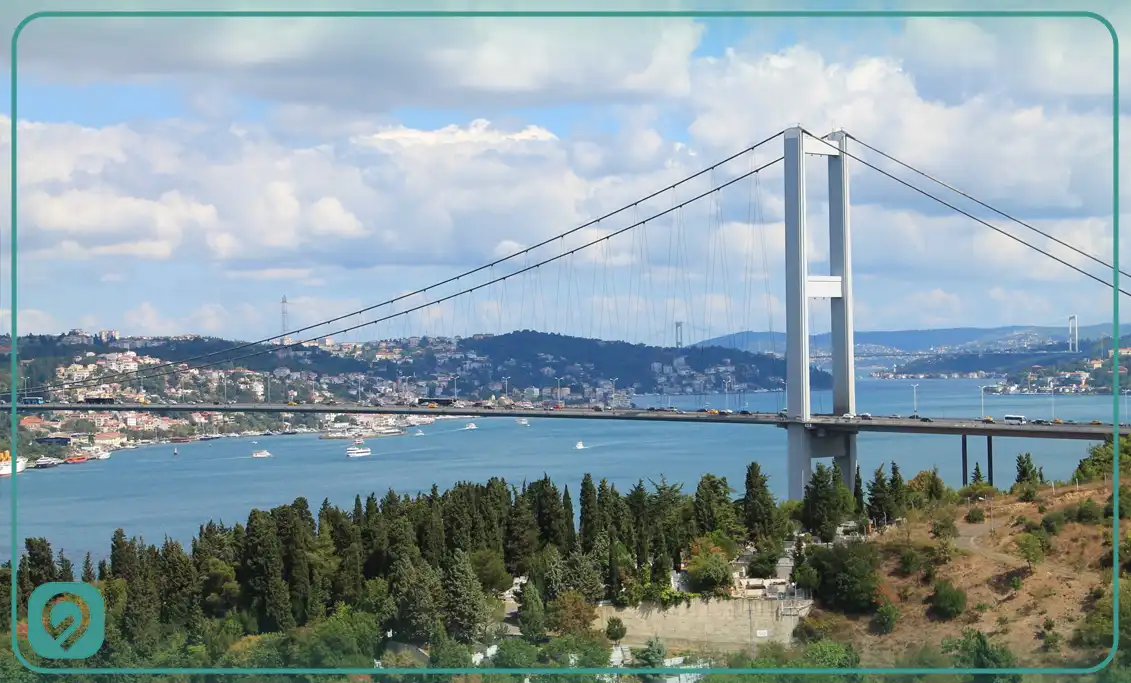
When someone talks about Istanbul, one image that instantly pops into mind is the magnificent Bosphorus Bridge—stretching gracefully between two continents. Connecting the European and Asian sides of Istanbul, this architectural masterpiece is more than just a bridge; it’s a symbol of unity, progress, and the city's deep-rooted history. Whether you're driving over it during rush hour, sailing underneath it on a cruise, or watching it glitter under the night sky, the Bosphorus Bridge always makes a lasting impression.
Why is it so iconic? Well, not every city in the world can boast about a structure that physically links two continents. And that’s just the beginning. The bridge has witnessed political revolutions, cultural shifts, and the unyielding spirit of a city that never sleeps. Let’s take a deep dive into the rich story behind this legendary connection.
Historical Background of the Bosphorus Bridge
The idea of connecting Europe and Asia wasn’t born in the 20th century. In fact, ancient rulers like Darius I of Persia had grand visions of bridging this divide. But it wasn’t until the 1950s that serious discussions about a fixed link across the Bosphorus began to take shape. Turkey’s rapid urbanization and the need for better transport infrastructure eventually led to the conception of the Bosphorus Bridge.
Official construction didn’t kick off until 1970, with the British firm Freeman Fox & Partners leading the engineering design, while the construction was handled by a joint Turkish and international team. The bridge was finally opened on October 30, 1973—just one day after the 50th anniversary of the Republic of Turkey. That was no coincidence. The bridge was meant to symbolize modernity and national pride, serving as a testament to the country’s evolution and ambition.
Imagine the buzz in Istanbul that day. It wasn’t just an engineering feat; it was a cultural event. Helicopters circled the skies, crowds gathered, and history was being made right before their eyes.
Construction of the Bosphorus Bridge
Building a suspension bridge over the Bosphorus Strait was no easy feat. This narrow yet deep waterway presented numerous engineering challenges—from strong currents and shifting tectonic plates to complex logistics of working in one of the world’s busiest straits.
The construction began in February 1970 and took a little over three years. More than 35,000 tons of steel were used, and the two towers—each standing over 160 meters tall—became the defining features of the Istanbul skyline.
During the build, engineers had to develop innovative ways to stabilize the massive towers and anchor the cables that would support the deck. Each cable is actually made up of thousands of steel wires bundled together, and these were spun across the strait in a jaw-dropping process that still fascinates structural engineers to this day.
The bridge, at completion, ranked as the fourth-longest suspension bridge in the world, with a main span of 1,074 meters. It wasn’t just about size, though. The Bosphorus Bridge became a benchmark in civil engineering, showcasing how modern technology and human determination could conquer even the most intimidating natural challenges.
Design and Structure of the Bridge
The Bosphorus Bridge is a suspension bridge, which means it’s held up by cables suspended between towers. The design is sleek, minimalist, and distinctly modern—a perfect blend of functionality and aesthetics.
Its total length is approximately 1,560 meters (5,118 feet), with a deck that carries eight lanes of traffic—three in each direction and one emergency lane on each side. The vertical clearance under the bridge is about 64 meters (210 feet), which allows large ships to pass safely underneath.
The steel deck is supported by hangers connected to the main suspension cables, which themselves are anchored into massive concrete blocks buried deep into the ground on either side of the strait. The entire structure is built to withstand strong winds, heavy traffic loads, and even major earthquakes, thanks to its flexible design.
From a distance, the bridge looks like a gentle arc floating above the waters of the Bosphorus. But up close, its grandeur is humbling. This is not just a bridge—it’s a living, breathing artery of Istanbul.
Symbolic Importance: Europe Meets Asia
What makes the Bosphorus Bridge truly unique is its symbolic power. It's not just about asphalt, steel, and traffic—it's about unity. The bridge connects two continents, two worlds, and multiple cultures. Europe and Asia have always been divided by water, history, and politics. But the Bosphorus Bridge transcends those boundaries.
For locals, it's a daily reminder of Istanbul’s dual identity. One minute you’re sipping Turkish coffee on the European side, and ten minutes later you’re enjoying kebabs in Asia. That seamless connection is made possible by the bridge.
Culturally, this blending of East and West is what gives Istanbul its rich, layered charm. The bridge doesn’t just move vehicles; it moves ideas, traditions, and people. It has become a symbol of Istanbul’s role as a global city—a place where civilizations meet and mix.

Economic Impact of the Bosphorus Bridge
The Bosphorus Bridge didn’t just reshape Istanbul’s skyline—it transformed its economy. Before the bridge, moving between the European and Asian sides was a time-consuming ordeal, often dependent on ferries. But with the bridge, travel time plummeted, commerce soared, and Istanbul became even more of a logistical and economic powerhouse.
Let’s break it down: Istanbul is Turkey’s largest city, a hub of finance, trade, and tourism. By linking the two sides, the bridge opened up new opportunities for businesses and real estate developers. Suddenly, neighborhoods on the Asian side became more accessible, leading to booming residential and commercial development. Businesses could now operate efficiently across both continents, effectively doubling their reach.
Moreover, the Bosphorus Bridge helped connect Anatolia (Asian Turkey) with the economic centers of Europe, significantly improving freight movement. That boosted both domestic trade and exports. In fact, some economists argue that Istanbul’s explosive growth in the late 20th century can be directly tied to the construction of the Bosphorus Bridge.
And let’s not forget tourism. The bridge itself is a major draw for visitors, but it also made it easier for tourists to explore both sides of the city in a single day. More movement means more spending—and that’s always good for business.
Traffic and Daily Use
If you’ve ever been stuck in Istanbul traffic, there’s a good chance you were on the Bosphorus Bridge. Despite being a marvel of engineering, the bridge is also one of the busiest routes in the city. Every single day, over 180,000 vehicles cross the bridge, making it a vital piece of Istanbul’s transportation puzzle.
During rush hour, the bridge becomes a slow crawl of honking horns and flashing brake lights. But the city has taken steps to manage this load. For example, the lanes are reversible—meaning they can change direction depending on traffic flow. This helps balance the traffic during peak morning and evening hours.
There’s also a toll system in place, but it only applies in one direction (from Europe to Asia). Payments are made through an electronic toll collection system called HGS (Fast Pass System), which helps speed things up—at least in theory.
While pedestrians were once allowed on the bridge, it's now closed to foot traffic for safety reasons. However, there's one big exception: the annual Istanbul Marathon. That’s the only day of the year when people can walk (or run) across the bridge. More on that soon.
In everyday life, the bridge is both a blessing and a bottleneck. But love it or hate it, Istanbulites rely on it like clockwork.
The Bosphorus Bridge at Night
As the sun sets over Istanbul, the Bosphorus Bridge transforms from a workhorse to a wonder. Thanks to its state-of-the-art lighting system, the bridge becomes a canvas of colors and patterns. It doesn’t just light up—it sparkles, pulses, and dances across the water like a neon ribbon.
This nightly light show is more than just decoration. It was designed to turn the bridge into a visual spectacle that reflects the spirit of Istanbul—vibrant, dynamic, and constantly moving. The lighting system is programmable, which means it can be customized for national holidays, cultural events, or even to show solidarity during global events.
Photographers flock to spots like Ortaköy Mosque or Çamlıca Hill to capture the bridge at its most photogenic. Whether you're taking a romantic Bosphorus cruise or just enjoying a late-night stroll along the shoreline, the illuminated bridge is impossible to ignore.
It’s no exaggeration to say that the Bosphorus Bridge is one of the most Instagrammed landmarks in Turkey. It’s a feast for the eyes and a reminder that infrastructure can be as beautiful as it is functional.
Renaming to the 15 July Martyrs Bridge
In 2016, the bridge witnessed one of the most dramatic nights in modern Turkish history. During the attempted military coup on July 15, civilians flooded the streets to defend democracy, and the bridge became one of the main battlegrounds. Tragically, many people lost their lives in the confrontation.
To honor their bravery and sacrifice, the Turkish government officially renamed the bridge “15 Temmuz Şehitler Köprüsü” (15 July Martyrs Bridge). The new name serves as a powerful symbol of resistance, unity, and national pride.
This wasn’t just a change of signage—it was a shift in identity. Today, the bridge is both an architectural marvel and a memorial site. Every year, commemorative events are held on July 15, including marches and ceremonies that honor those who stood up for their country.
The name change added another layer of meaning to an already iconic structure. Now, crossing the bridge is not just a commute—it’s a quiet tribute to those who defended freedom.
The Bridge in Turkish Pop Culture
The Bosphorus Bridge isn’t just a feat of engineering—it’s a cultural icon. From movies to music videos, literature to TV series, the bridge has appeared in countless forms of Turkish pop culture. It's more than just scenery; it's a symbol of transition, love, conflict, and identity.
In Turkish cinema, you’ll often find the bridge in emotional scenes—lovers parting ways, families reuniting, or characters reflecting on their journeys. Its presence adds depth, emphasizing the dual nature of life in Istanbul.
Musicians reference it in lyrics, painters try to capture its elegance, and poets use it as a metaphor for bridging gaps—not just physical ones, but emotional and cultural ones, too.
It’s also a favorite subject in photography and visual arts. The image of the bridge, with the city lights twinkling in the background and ships gliding beneath it, has become synonymous with Istanbul itself. In short, the Bosphorus Bridge isn’t just infrastructure—it’s art.
Bosphorus Bridge and the Marathon
Here’s something you might not know: the Bosphorus Bridge is the only bridge in the world where you can run from one continent to another—in a single race. Welcome to the Istanbul Marathon!
Held every November, the Istanbul Marathon is the only intercontinental marathon in the world. Thousands of runners from across the globe gather to take part, and the highlight of the race? Running across the Bosphorus Bridge.
It’s the one day of the year when the bridge is open to pedestrians. And it’s not just about fitness—it’s a celebration of unity, endurance, and the spirit of Istanbul. People of all ages and backgrounds participate. Some run for personal records, others for charity, and many just for the joy of crossing that famous span on foot.
The marathon is also a major tourism boost, drawing visitors who want the once-in-a-lifetime experience of running between two continents. The atmosphere is electric, the views are unmatched, and the memories last a lifetime.

How long is the Bosphorus Bridge in Istanbul?
The Bosphorus Bridge is about 1,560 meters long.
The correct times to visit the Bosphorus Bridge in Istanbul
The Bosphorus Bridge is the most famous in Turkey. There are multiple times to visit the Istanbul Bridge in the Bosphorus Strait, through tourist trips dedicated to seeing the bridge while it is lit at night. Trips to the Bosphorus are among the most popular tourist trips in Istanbul.
Bosphorus Bridge during the day
The Bosphorus Bridge provides a unique experience to see it in its complete form during the day. It can be seen from several places in Istanbul, exceptionally high places such as the Chamliga Tower or Puppet Hill. It can also be seen from several areas in the European and Asian sections of Istanbul.

Safety Measures and Maintenance
Given its age and importance, maintaining the Bosphorus Bridge is a full-time job—and a critical one at that. We're not just talking about keeping it looking good. This bridge has to stand up to extreme stress every day: thousands of cars, wild weather shifts, and even seismic activity since Istanbul is in an earthquake-prone zone.
Let’s start with safety. The bridge was designed with flexibility in mind. This isn’t just for traffic—it’s a safety feature that allows the bridge to sway slightly and absorb movement without cracking or breaking. In fact, it can withstand earthquakes of up to magnitude 8, thanks to modern retrofitting and seismic reinforcement techniques added during major renovations.
Maintenance-wise, the bridge undergoes regular structural checks. Engineers assess everything from the steel cables and anchorages to the asphalt and expansion joints. You might even spot inspection crews scaling the towers or hanging off cables—it’s dangerous work, but absolutely necessary.
In recent years, major maintenance efforts included replacing the bridge deck and upgrading lighting and traffic systems. There are also continuous efforts to repaint the steel to prevent corrosion from the salty sea air. These projects are usually done at night or on weekends to minimize disruption, although Istanbulites still grumble about the occasional traffic chaos.
Security has also been beefed up since the 2016 coup attempt. Surveillance cameras, police patrols, and security checkpoints are part of the new normal. After all, the bridge isn't just infrastructure anymore—it's a national symbol, and protecting it is a top priority.
Tourist Perspective
If you're visiting Istanbul, seeing the Bosphorus Bridge should be right up there with the Hagia Sophia and Blue Mosque. Even though you can’t walk on it under normal conditions, there are plenty of incredible ways to experience it.
First and foremost: Bosphorus cruises. These boat tours take you right under the bridge, offering breathtaking views of its massive structure from the water. It’s the best way to appreciate the scale and elegance of the bridge—and to snap that perfect photo.
Another top spot is Ortaköy, a charming neighborhood located right at the foot of the European side. Grab a kumpir (Turkish-style baked potato), sit by the mosque, and enjoy front-row seats to the bridge and passing boats. It’s touristy but totally worth it.
On the Asian side, Çamlıca Hill offers a panoramic view of the entire Bosphorus and the bridge slicing through it. It’s a peaceful spot, especially at sunset, and makes for a great photo op.
If you’re into drone photography, you’ll find plenty of elevated viewpoints for capturing the bridge from above (just make sure to follow Turkish drone regulations).
For those visiting during the Istanbul Marathon, that’s your golden ticket to walk or run across the bridge. But even if you can’t, just being near it is enough to feel its energy. Whether you see it from the water, from a café terrace, or a hilltop park, the Bosphorus Bridge will leave you awe-struck.
Comparison with the Other Bosphorus Bridges
While the Bosphorus Bridge was the first to connect Europe and Asia, it’s no longer the only one. Two other bridges now span the strait: the Fatih Sultan Mehmet Bridge (opened in 1988) and the Yavuz Sultan Selim Bridge (opened in 2016). Each one plays a different role in the city’s infrastructure puzzle.
The Fatih Sultan Mehmet Bridge, also known as the Second Bosphorus Bridge, is located a bit further north. It's primarily used by cargo trucks and long-distance commuters who want to avoid city-center congestion. Structurally, it’s very similar to the original bridge but built with updated materials and engineering methods.
Then there’s the Yavuz Sultan Selim Bridge, the most modern of them all. This one is a hybrid cable-stayed/suspension bridge and is also the tallest in the world in terms of tower height. It handles not only cars but also trains and heavy freight. Positioned far to the north, it was built to ease pressure on the other two bridges and to support the city’s expanding industrial zones.
Each bridge has its own architectural identity and purpose, but the original Bosphorus Bridge remains the most iconic. It’s the one locals hold dearest, and the one tourists recognize instantly.
Future of the Bosphorus Bridge
As Istanbul continues to grow and change, so does the role of the Bosphorus Bridge. While it's still essential to daily traffic, the city is exploring ways to reduce congestion and improve environmental sustainability.
One focus is smart traffic management. Real-time traffic data, dynamic lane control, and AI-based prediction systems are being integrated to optimize flow. This is crucial, especially with the rising number of vehicles in Istanbul every year.
There are also talks about implementing better public transportation links across the bridge, such as dedicated bus lanes or new rapid transit routes that use bridge access more efficiently.
Environmental concerns are another major issue. The bridge's lighting system has already been upgraded to energy-efficient LEDs, but future plans may include solar power integration, noise reduction strategies, and air pollution monitoring.
As technology advances, we can expect the Bosphorus Bridge to get smarter, safer, and even more beautiful. But through it all, its symbolic role will remain unchanged—forever connecting continents, cultures, and hearts.

Conclusion
The Bosphorus Bridge is more than just steel and concrete. It's a living monument to Istanbul’s resilience, creativity, and complexity. It connects not just lands, but stories—ancient and modern, East and West. Every time a car, bus, or even a marathon runner crosses it, history is in motion.
For tourists, it’s a must-see. For locals, it’s a daily necessity. For the world, it’s a marvel that represents what human engineering and spirit can achieve. Whether you're gazing at it from a ferry or stuck in bumper-to-bumper traffic atop it, one thing’s for sure—you’ll never forget the Bosphorus Bridge.
FAQs
1. What is the best time to visit the Bosphorus Bridge?
The best time to see the Bosphorus Bridge is during sunset or at night when the lights are on. For photography lovers, early mornings also offer fantastic lighting and fewer crowds.
2. Can pedestrians walk across the Bosphorus Bridge?
No, pedestrians are not allowed to walk on the bridge under normal circumstances. The only exception is during the Istanbul Marathon, held annually in November.
3. Why is the Bosphorus Bridge so famous?
Because it physically connects two continents—Europe and Asia—it’s one of the most iconic landmarks in the world. It also has immense historical, cultural, and political significance.
4. How long is the Bosphorus Bridge?
The bridge is approximately 1,560 meters (5,118 feet) long, with a main span of 1,074 meters (3,524 feet).
5. What’s the best way to see the Bosphorus Bridge?
Taking a Bosphorus cruise is the best way to get a full view of the bridge. Alternatively, visit Ortaköy or Çamlıca Hill for stunning photos and scenic perspectives.



Have Question Or Suggestion ?
Please Share Your Thought, To Make It Real