Driving License in Turkey for Foreigners: Full Guide 2026
Planning to drive in Turkey as a foreigner? This complete 2026 guide explains everything about using, exchanging, or obtaining a Turkish driving license.
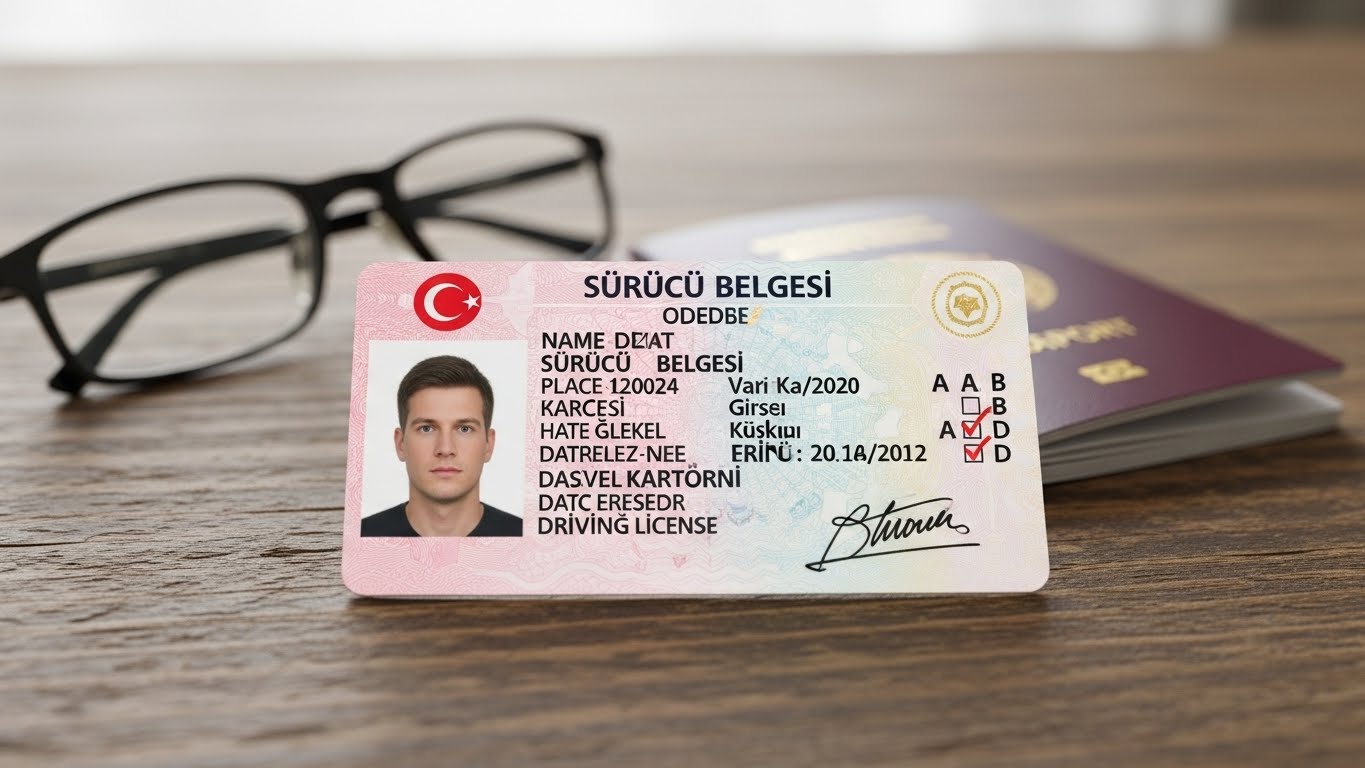
Introduction
Thinking about hitting the road in Turkey? Whether you’re just visiting or planning to settle down, understanding the driving license rules is absolutely essential. Driving in a foreign country can be confusing, especially when it comes to legal paperwork, but don’t worry—we’ve got your back. Turkey is a beautiful country to explore by car, with its coastal roads, scenic mountains, and bustling cities. But to enjoy the ride, you need to make sure you're legally allowed to drive.
If you’re a foreigner in Turkey, your driving rights depend on your visa status, how long you plan to stay, and what kind of license you currently hold. In this guide, we’ll break down everything from temporary allowances for tourists to converting your foreign license into a Turkish one as a resident. We’ll also cover the step-by-step process, necessary documents, driving schools, fees, and a whole lot more.
Ready to steer through the process like a pro? Let’s get into it.
Can Foreigners Drive in Turkey?
Absolutely, but with conditions. Foreigners in Turkey can drive legally—at least for a while. If you’re a tourist or a short-term visitor, you can use your foreign driving license or an International Driving Permit (IDP). However, if you’re planning on living in Turkey, things get a little more complicated.
Foreign driving licenses are only valid for up to six months from your date of entry if you have a residency permit. After that, Turkish law requires you to either convert your license or get a Turkish driving license from scratch.
There’s a clear line between being a tourist and being a resident. If you’re just here for a couple of weeks or even months as a tourist, you’re fine with your foreign license, preferably accompanied by an IDP (especially if it’s not in Latin script). But if you hold a residence permit, you're no longer considered a tourist—even if you just got to Turkey last week. That’s when the six-month countdown begins.
Failing to comply with this law can result in penalties, including fines and even the confiscation of your vehicle in serious cases. So, the answer is yes—you can drive—but only if you follow the rules.
Short-Term Visitors: Driving with a Foreign License
So you're visiting Turkey for a holiday or business trip and wondering if you need a Turkish license? Good news—short-term visitors can drive using their foreign license. However, there are a few caveats to keep in mind:
License must be valid and in the Latin alphabet. If it’s not (e.g., written in Cyrillic, Arabic, or Chinese), you’ll need a notarized Turkish translation or an IDP.
International Driving Permits (IDP) are recommended, especially if your license is not in a widely understood language.
You’re allowed to drive for up to six months on a tourist visa or visa exemption.
After six months, even short-term visitors are expected to obtain a Turkish license if they decide to stay longer or extend their stay with a residence permit.
Also, your foreign license should correspond to the type of vehicle you're driving in Turkey. If your license is only for automatic cars, don’t expect to legally drive a manual in Turkey unless you take a test or upgrade your license back home.
Pro tip: Always carry your passport, visa/residence card, and license (plus IDP if needed) while driving. Police in Turkey conduct random checks, and not having the right documents can be costly.
When Do You Need to Convert Your License?
The golden rule? Six months. If you have a residence permit and stay in Turkey longer than six months, you are legally required to convert your foreign license to a Turkish one or apply for a new license altogether.
Here’s how it breaks down:
Tourists: Can drive with a valid foreign license for up to six months without issue.
Residents: Must convert their license within six months of their official residency start date.
It’s important to note that the six-month window starts ticking from the date of entry, and you may be asked to prove this with your passport stamp or entry record. If you leave and re-enter Turkey, the counter may reset—but only if you’re on a tourist visa. For residents, it’s six months total, regardless of border crossings.
Don’t ignore this deadline. Authorities have the right to issue fines or invalidate your foreign license for use in Turkey. Driving after the grace period without converting your license is considered illegal.
Eligible Foreign Driving Licenses for Conversion
Not all licenses are treated equally in Turkey. The country has agreements with many nations, allowing for a smooth conversion process without requiring a driving test. These countries include:
EU member states
UK
USA
Canada
Australia
South Korea
Japan
And many others
If you hold a license from one of these countries, you're in luck—you can convert your license directly, provided it’s valid and you meet the paperwork requirements.
However, if you're from a country not recognized by the Turkish government for license conversion, you’ll need to apply for a Turkish license from scratch, including passing written and driving exams.
So before you start, check with the Turkish Directorate General of Security (EGM) or the nearest Trafik Tescil Şube Müdürlüğü to confirm whether your license qualifies for direct conversion.
Step-by-Step Process to Convert a Foreign License in Turkey
Converting a license might sound intimidating, but it’s fairly straightforward if you follow the right steps. Here’s the basic process:
Gather your documents (more on this below)
Visit the nearest Traffic Registration Office (Trafik Tescil)
Submit an application
Undergo a health examination
Provide your biometric photo and fingerprints
Pay the necessary fees
Wait for your Turkish license to be issued
You won’t need to take a driving test if your country is on the approved list. Once your Turkish license is ready, your original license will typically be retained by the authorities and sent back to your home country’s embassy.
Time-wise, the process can take a few weeks, so it’s best to start early, especially if your six-month grace period is nearing its end.
Documents Required to Convert a Foreign License
Paperwork is the heart of any bureaucratic process, and converting your driving license in Turkey is no different. The key to a smooth and stress-free experience? Knowing exactly what documents you need—and getting them right the first time. Here’s a detailed list of what you’ll typically need to bring:
Original foreign driving license – Must be valid and not expired.
Certified Turkish translation of your license – Done by a sworn translator and notarized.
Residence permit – You must hold a valid Turkish residence card.
Health report – Issued by an authorized hospital or family health center.
Biometric photos – Usually 2 to 4 recent passport-style photographs.
Blood group card – Some provinces may request official documentation of your blood type.
Application form – Provided at the Traffic Registration Office or online.
Criminal record check – Available via the e-Devlet system or from the local police.
Receipt of payment for license fees – Paid at the tax office or online.
Some offices may request additional forms depending on your city or province, so it’s always smart to call ahead or visit the official website of the General Directorate of Security (EGM).
Don’t forget: everything not originally in Turkish must be officially translated and notarized. And yes, your foreign license will be kept by the Turkish authorities and sent back to your home country’s consulate or embassy after conversion.
Pro tip: Make multiple copies of each document—you never know when you’ll need a spare during your visits.
Medical and Health Reports
One of the requirements that often surprises expats is the need for a health report. This isn't just a formality—it’s a must. The Turkish government wants to ensure that anyone holding a driver’s license is medically fit to drive safely.
Here’s what you should know:
Where to get it: Health reports can be obtained from family health centers (Aile Sağlığı Merkezi) or private/state hospitals. Family health centers are usually faster and free, but private hospitals might be more efficient if you want a quicker appointment.
What it includes:
Eye exam (checking vision and color blindness)
Hearing test (depending on the facility)
General health check (blood pressure, physical ability, etc.)
A declaration of any chronic illnesses or medication use
If you wear glasses or contact lenses, make sure to mention it—the information will be reflected on your driving license.
The doctor will fill out a standardized health form, and once it's signed and stamped, it’s valid for the application. Some provinces may also require an eye specialist if the general practitioner feels it's necessary.
And yes, this form must also be submitted along with the other documents at the time of application.
Driving Tests: Is It Mandatory?
Let’s clear the air—you don't always need to take a driving test in Turkey. In fact, whether you need one depends entirely on two factors:
Your country of origin
The condition of your current license
If your country has a bilateral agreement with Turkey, and your license is valid and legible, you’re likely exempt from both the written and practical driving tests. These are the lucky ones.
But if you’re from a country without a conversion agreement, or if your license has expired, you’re going to have to go through the full process:
Enroll in a driving school
Take a written theory test (available in Turkish; some schools offer help with English)
Pass a practical driving test
Submit a health report and complete the documentation
Also, if you hold an international driving permit (IDP), you still need to convert your original license after the six-month limit—it’s not a workaround for the testing requirement.
Think of the test as a small price to pay for long-term road freedom in Turkey. It might feel like a hassle, but with the right prep, it’s totally manageable.
Getting a Turkish Driving License from Scratch
If your foreign license isn’t eligible for conversion or you’re a first-time driver, you’ll need to start from the beginning. That means getting a Turkish driving license the old-fashioned way. Here’s how:
Choose a certified driving school in your city.
Register and attend theory classes (at least 34 hours of classroom instruction).
Pass the theory exam, which includes questions about traffic rules, first aid, and vehicle maintenance.
Complete 14 hours of practical driving lessons.
Take the practical road test with an examiner.
Submit all documents, including health report, biometric photos, and criminal record.
Pay the required fees and wait for your license to be issued.
The theory test is usually multiple-choice and conducted in Turkish, but some schools offer prep materials or even unofficial help in English. The practical test is done in a dual-control vehicle provided by the school.
Expect the whole process to take about 2–3 months, depending on school schedules and test availability.
Driving Schools for Foreigners in Turkey
Not all driving schools are foreigner-friendly, but there are many that cater specifically to expats and tourists. These schools often have:
Instructors who speak English
Translated study materials
Flexible scheduling
Assistance with test prep and documents
Some popular cities for foreigner-friendly schools:
Istanbul
Antalya
Izmir
Ankara
Bursa
Prices vary widely depending on the city and school. On average, you can expect to pay between 4,000–7,000 TL (approx. $150–250 USD), including lessons and exam fees. Some schools also offer “VIP packages” that include document preparation and translation services.
Make sure the school is certified by the Turkish Ministry of National Education (MEB). Only MEB-approved schools can offer the official tests needed to get your license.
Cost of Getting or Converting a Driving License
Let’s talk money. Whether you’re converting your foreign license or applying for a new one in Turkey, you’ll need to budget for a few key expenses. While costs can vary slightly based on your location and personal situation, here's a general breakdown:
If You’re Converting a Foreign License:
Health report: Free to ~300 TL (depending on whether you go to a public or private facility)
Notarized translation of your license: 200–500 TL
Biometric photos: 100–150 TL for a set
Criminal record certificate: Usually free if obtained via the e-Devlet portal
Blood type documentation: Free to 50 TL (from clinics or blood centers)
Application and card fees: 1,500–2,500 TL (updated annually)
Total estimated cost: 2,000–3,500 TL ($70–120 USD)
If You’re Getting a Turkish License from Scratch:
Driving school tuition: 4,000–7,000 TL (depending on school and city)
Theory exam fee: 200–300 TL
Driving test fee: 500–700 TL
Health report: 100–300 TL
Biometric photos: 100–150 TL
Translation + notary (if needed): 200–500 TL
License issuance fee: 1,500–2,500 TL
Total estimated cost: 6,500–10,000 TL ($220–350 USD)
It’s a decent chunk of change, especially if you’re starting from zero. But remember—once you get your Turkish license, it's valid for up to 10 years, depending on your age and category. So it's a long-term investment in your freedom to travel and commute legally.
Some employers in Turkey also reimburse these costs if driving is part of your job. It’s worth asking your HR department!
Validity and Renewal of Turkish Driving Licenses
Turkish driving licenses come with different validity periods depending on the type of vehicle and the driver's age. For most foreigners, especially those holding class B licenses (for passenger cars), the rules are straightforward.
Validity Periods:
Under 65 years old: 10 years
Over 65 years old: Validity drops to 5 years, with additional health checks required upon renewal
Professional drivers (Class C, D, etc.): Typically 5 years, regardless of age
Renewal Process:
Renewing your license in Turkey is simpler than the first application:
Health report from a family doctor or clinic
Biometric photos
Renewal application via the Nüfus ve Vatandaşlık İşleri (Population Directorate)
Payment of renewal fees
Return old license and wait for the new card to be mailed
You can start the renewal process up to six months before your license expires, and it’s highly recommended you don’t wait until the last minute. Driving with an expired license can get you fined or worse—insurance might refuse to cover you in an accident.
Bonus: Turkish driving licenses are recognized in many countries, so they’re a great backup for international travel.
Penalties for Driving Without a Valid License in Turkey
Think you can get away with driving without a proper license? Think again. Turkey takes driving regulations seriously, and the fines are not cheap.
Common Penalties Include:
Driving without a valid license: ~12,000 TL fine and possible impound of the vehicle
Driving with an expired foreign license (after 6 months): Similar penalties as above
Failure to carry necessary documents: Fines of 300–500 TL
Driving without an International Driving Permit (if required): Around 1,800 TL
If you're involved in an accident without a valid license, your insurance becomes void, meaning you’ll be liable for all damages—property, medical, and legal.
Also, if you’re caught repeatedly driving without a valid license, you may face a ban from driving in Turkey, and it could affect your immigration status in extreme cases.
So yeah, it’s not worth the risk. Keep everything updated and valid—you’ll save yourself from major headaches and hefty penalties.
Tips for Foreigners Driving in Turkey
Okay, so you’ve got your license sorted—great! But driving in Turkey is a whole experience of its own. To help you navigate both the literal and figurative roads, here are some tips:
1. Be Assertive, Not Aggressive
Turkish drivers can be bold. Merging into traffic might feel chaotic, but with confidence and alertness, you’ll find your flow.
2. Always Carry These:
Passport or residence card
Driver’s license (plus IDP if needed)
Car rental papers or registration
Insurance documents
3. Understand the Speed Limits
Urban areas: 50 km/h
Highways: 90–120 km/h
Watch for signs—speed limits can change quickly
4. Watch Out for Motorcycles and Scooters
They often weave through traffic, even on sidewalks. Be extra cautious in big cities like Istanbul or Izmir.
5. Tolls Are Everywhere
Most highways in Turkey are paid roads. You need an HGS sticker (linked to your bank or credit card). Don't use toll roads without it—fines will follow.
6. No Tolerance for Alcohol
The legal blood alcohol limit is 0.05%, and for professional drivers, it’s zero. Breathalyzer checks are common, especially at night.
7. Use Navigation Apps Wisely
Apps like Yandex, Google Maps, and Navigon Turkey work great. But be aware—some mountain areas and small towns have limited GPS accuracy.
8. Parking is Tricky
In cities, street parking is managed by private attendants. Look for uniforms and pay directly. Never leave your car in a tow-away zone—it’ll be gone fast.
Mastering these local quirks can make your driving experience in Turkey safer, smoother, and even enjoyable.
Conclusion
Driving in Turkey as a foreigner can be liberating—but only if you’re doing it legally and smartly. Whether you're a tourist eager to explore the coasts or a long-term expat settling into Turkish life, understanding the ins and outs of the licensing process is key.
From the six-month grace period for foreign licenses to the step-by-step guide to converting yours, there's a clear path forward. And if you need to start from scratch, there are plenty of driving schools ready to help you through the process, especially in expat-friendly cities.
Don’t wait until the last minute to sort it all out. The Turkish roads are waiting—but only for those who are ready.
FAQs
1. Can I drive in Turkey with a UK/US license?
Yes, for up to 6 months. After that, if you have residency, you need to convert it or apply for a Turkish license.
2. How long does it take to get a Turkish license?
If you’re converting, it can take 2–4 weeks. If starting from scratch, plan for 2–3 months, including classes and tests.
3. Do I need to take a driving test in Turkey?
Only if your license is from a country not covered under Turkey’s conversion agreements or if your current license is expired.
4. Can I use my international license indefinitely in Turkey?
No. International licenses are only valid for 6 months from your entry date if you have a residence permit.
5. What happens if my foreign license is not accepted?
You’ll need to go through the full Turkish licensing process: driving school, exams, and document submission.
Have Question Or Suggestion ?
Please Share Your Thought, To Make It Real