The Maiden's Tower in Istanbul
Discover Istanbul’s iconic Maiden’s Tower, a legendary landmark on the Bosphorus known for its rich history, romantic myths, and breathtaking views.
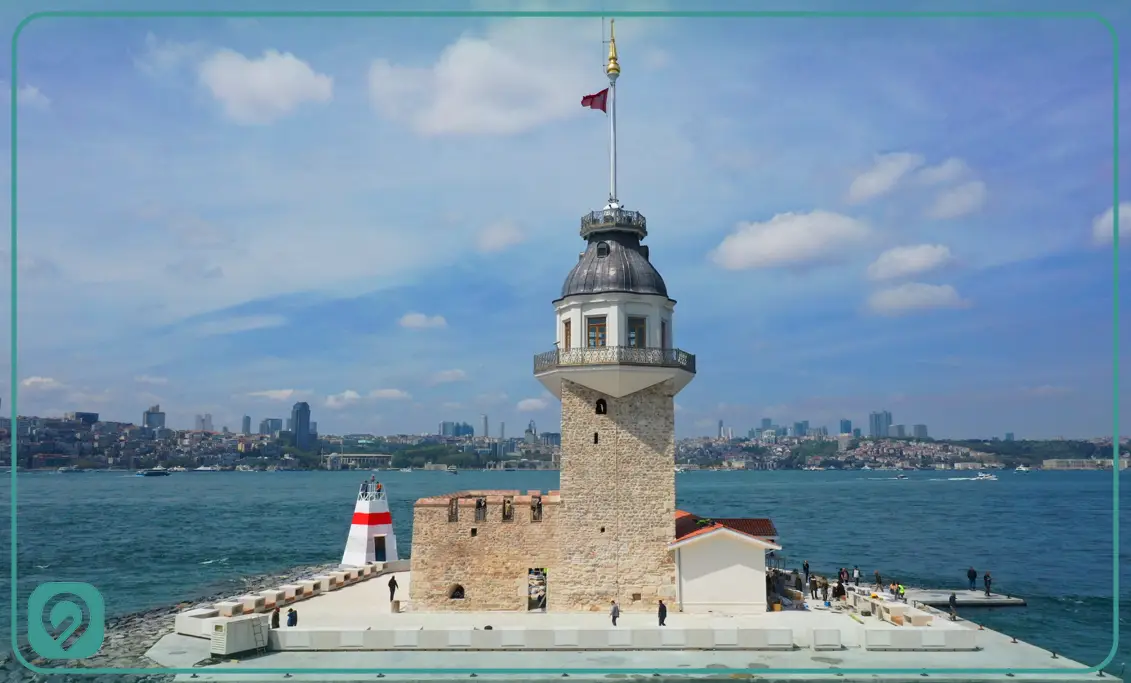
The Maiden’s Tower in Istanbul: The Timeless Guardian of the Bosphorus
The Maiden’s Tower (Kız Kulesi) stands as one of Istanbul’s most recognizable and enchanting landmarks. Rising gracefully from a tiny islet in the Bosphorus Strait, this historic structure has witnessed centuries of empires, legends, maritime trade, and cultural transformation. Few places in the world combine mystery, romance, history, and breathtaking scenery quite like the Maiden’s Tower. Positioned between Europe and Asia, it symbolizes the unique identity of Istanbul itself—a city where continents, cultures, and stories converge.
Whether viewed from the shores of Üsküdar, photographed from a ferry crossing the Bosphorus, or visited up close, the tower has an almost magnetic appeal. Its silhouette against the Istanbul skyline creates a scene that feels both timeless and cinematic. Travelers from around the world include it on their must-see lists, while locals continue to cherish it as a beloved icon of the city.
The renewed interest in cultural tourism and heritage preservation has brought the Maiden’s Tower back into the spotlight. Today, it serves not only as a historical monument but also as a living symbol of Istanbul’s enduring spirit. Understanding its location, history, legends, and significance reveals why this small tower commands such an outsized presence in the imagination of millions.
Why the Maiden’s Tower Continues to Captivate Travelers
The enduring appeal of the Maiden’s Tower goes far beyond its striking appearance. In a city overflowing with monumental architecture such as Hagia Sophia, the Blue Mosque, and Topkapı Palace, this relatively modest structure still manages to attract immense attention. Part of its charm lies in its isolation. Surrounded by water and standing alone against the backdrop of Istanbul’s sprawling skyline, the tower appears almost like a character from a fairy tale.
Travelers are naturally drawn to places that tell stories, and few landmarks tell as many stories as the Maiden’s Tower. Every era of Istanbul’s history seems to have left its mark on this tiny island. The tower has functioned as a customs station, a defense post, a lighthouse, a quarantine center, and even a setting for countless myths and legends. This layered history gives visitors the feeling that they are encountering something far deeper than a simple tourist attraction.
A Landmark Floating Between Two Continents
One of the most remarkable aspects of the Maiden’s Tower is its location between Europe and Asia. Istanbul itself is famous for spanning two continents, and the tower embodies this geographic distinction in a uniquely visual way. Standing in the Bosphorus, it appears suspended between worlds, representing centuries of interaction between East and West.
This position has always been strategically valuable. Ancient rulers understood that controlling this point meant monitoring maritime movement through one of the world’s most important waterways. Today, however, its significance is largely symbolic. Visitors see it as a reminder of Istanbul’s role as a bridge between civilizations.
The Tower’s Growing Popularity in Modern Tourism
Social media has significantly increased the global visibility of the Maiden’s Tower. Images captured at sunset, when the sky glows orange and pink behind the structure, frequently appear across travel platforms. These striking visuals inspire new generations of travelers to seek out the landmark for themselves.
Tourism authorities have also invested in restoration and visitor experiences, ensuring that the tower remains accessible while preserving its historical character. As cultural tourism continues to grow worldwide, destinations with authentic stories and rich heritage are becoming increasingly attractive. The Maiden’s Tower perfectly fits this trend, offering visitors an experience that combines history, beauty, and mystery.
Where Is the Maiden’s Tower Located?
The Maiden’s Tower is located on a small islet at the southern entrance of the Bosphorus Strait, just off the coast of Üsküdar on Istanbul’s Asian side. Its position places it near the meeting point of the Bosphorus and the Sea of Marmara, making it one of the most visually prominent structures in the city.
Unlike many historical monuments that are surrounded by urban development, the Maiden’s Tower enjoys a sense of separation that enhances its appeal. Looking across the water toward the historic peninsula reveals an extraordinary panorama that includes some of Istanbul’s most famous landmarks. This setting contributes greatly to the tower’s popularity among photographers and sightseers.
Its Strategic Position on the Bosphorus
Throughout history, the Bosphorus has been one of the world's most important waterways. Ships traveling between the Black Sea and the Mediterranean have passed through these waters for centuries. The Maiden’s Tower occupied a strategic location that allowed authorities to monitor and regulate maritime traffic.
Various empires recognized the value of controlling this point. Defensive chains were reportedly stretched across parts of the waterway during certain periods, using the tower as a support point. This strategic function highlights how geography shaped the development of Istanbul and influenced the tower’s historical importance.
How Visitors Reach the Tower Today
Modern visitors can access the Maiden’s Tower through organized boat services departing from nearby points in Üsküdar. The short journey across the water adds to the overall experience, creating a sense of anticipation before arrival.
As the boat approaches the islet, visitors gain a new perspective on both the tower and Istanbul’s skyline. This brief crossing transforms a simple visit into a memorable adventure, emphasizing the tower’s unique relationship with the surrounding sea.
The Fascinating History of the Maiden’s Tower
The history of the Maiden’s Tower stretches back more than two millennia, making it one of Istanbul’s oldest surviving landmarks. Historians believe that the earliest structures on the site date to ancient Greek times, although the tower has undergone numerous reconstructions and modifications throughout its existence.
Its long history mirrors the evolution of Istanbul itself. Every major civilization that controlled the city contributed in some way to the tower’s development. This continuous adaptation reflects changing political priorities, technological advancements, and architectural styles across different eras.
Ancient Origins and Early Civilizations
Ancient sources suggest that the islet was already significant during the classical period. The location offered an ideal vantage point for observing maritime activity and securing strategic approaches to the city.
Over time, various structures were erected and rebuilt to meet military and administrative needs. While much of the earliest architecture has disappeared, the historical importance of the site remained constant throughout successive generations.
Byzantine, Ottoman, and Modern Transformations
During the Byzantine era, the tower served defensive purposes and became integrated into broader security systems protecting Constantinople. Following the Ottoman conquest, its functions evolved in response to changing circumstances.
The Ottomans used the structure for observation, signaling, and maritime management. Later periods saw the tower adapted as a quarantine station during disease outbreaks and eventually as a lighthouse. Restoration projects in recent decades have focused on preserving the tower while making it accessible to visitors, ensuring that its remarkable history remains alive for future generations.
The Legendary Stories Behind the Maiden’s Tower
The Maiden’s Tower owes much of its fame to the legends that surround it. These stories blend romance, tragedy, and mystery, creating a mythology that continues to fascinate audiences today.
Perhaps no other Istanbul landmark is associated with so many tales. While historians debate the accuracy of these legends, their emotional power has helped cement the tower’s place in cultural memory.
The Princess and the Prophecy
The most famous legend tells of a princess whose fate was predicted by an oracle. According to the prophecy, she would die from a snake bite on her eighteenth birthday. Determined to save his daughter, her father isolated her in a tower surrounded by water.
Believing she was safe from danger, he placed her on the small islet where the Maiden’s Tower now stands. Yet destiny proved impossible to escape. A snake hidden inside a basket of fruit eventually bit the princess, fulfilling the prophecy. This tragic tale gave rise to the tower’s enduring name and remains one of Istanbul’s best-known legends.
Other Myths and Romantic Tales
Another popular story connects the tower to the ancient Greek hero Leander, who swam across the waters each night to meet his beloved Hero. Though versions of the tale vary, the Bosphorus setting has inspired countless romantic interpretations.
These myths add an emotional dimension to the tower, transforming it from a historical structure into a symbol of love, destiny, and human longing.

Architectural Beauty and Design Features
The Maiden’s Tower is remarkable not only because of its location and legends but also because of its distinctive architecture. Despite its relatively small size compared to many of Istanbul’s monumental buildings, the tower possesses a commanding presence. Rising elegantly from a rocky islet, it combines practicality with aesthetic appeal, reflecting the various civilizations that modified and restored it over the centuries. Every reconstruction left behind subtle traces of its era, creating a structure that tells a visual story through stone, brick, and wood.
What makes the tower particularly fascinating is its ability to blend seamlessly into the surrounding landscape. From a distance, it appears almost weightless, floating between sea and sky. During clear weather, sunlight reflects off the Bosphorus waters and illuminates the tower, producing a striking contrast against the city's skyline. This visual effect has inspired artists, photographers, and travelers for generations. It is no surprise that the Maiden’s Tower frequently appears in travel magazines, documentaries, and social media feeds showcasing Istanbul’s beauty.
Exterior Structure and Restoration Efforts
The current appearance of the Maiden’s Tower is the result of numerous restoration projects carried out over centuries. Earthquakes, fires, storms, and changing political priorities all contributed to modifications in its design. The tower’s stone base provides stability against the powerful currents of the Bosphorus, while its upper sections reflect architectural influences from both Byzantine and Ottoman periods.
Recent restoration efforts have focused on preserving the authenticity of the structure while strengthening it for future generations. Conservation specialists carefully examined historical records and construction techniques to ensure accuracy. These projects not only protected the tower’s physical integrity but also helped revive public interest in its history. Visitors today can appreciate a structure that respects its past while meeting modern safety and preservation standards.
Interior Spaces and Visitor Experience
Inside the Maiden’s Tower, visitors encounter a blend of historical ambiance and modern presentation. The interior spaces have been adapted to accommodate tourism while retaining much of their historic character. Large windows frame spectacular views of Istanbul, turning every room into a viewing platform overlooking one of the world’s most iconic cityscapes.
Walking through the tower creates a sense of intimacy rarely found in larger historical monuments. Unlike vast palaces or sprawling museums, the Maiden’s Tower offers a more personal experience. Visitors can examine exhibits, learn about the site's history, and absorb the atmosphere created by centuries of stories. The combination of historical interpretation and breathtaking scenery makes the interior experience just as memorable as the tower’s famous exterior.

What to See and Do at the Maiden’s Tower
A visit to the Maiden’s Tower offers far more than simply viewing a historic building. The experience combines history, culture, photography, gastronomy, and sightseeing into a single destination. Every visitor arrives with different expectations, yet most leave with a deep appreciation for the unique atmosphere created by the tower’s setting.
One of the most rewarding aspects of visiting is the opportunity to slow down and absorb the rhythm of Istanbul from a different perspective. The constant movement of ferries, cargo ships, fishing boats, and seagulls creates a dynamic backdrop that changes throughout the day. Watching the city from the middle of the Bosphorus provides insights that are impossible to gain from the shore.
Panoramic Views of Istanbul
The panoramic views from the Maiden’s Tower rank among the finest in the city. From its observation points, visitors can admire famous landmarks including Hagia Sophia, Topkapı Palace, the Blue Mosque, Galata Tower, and the Bosphorus bridges. The sight of these monuments spread across the horizon offers a visual summary of Istanbul’s rich history and architectural diversity.
The perspective is particularly special because it places visitors between the European and Asian sides of the city. Looking in one direction reveals the historic peninsula that served as the heart of Byzantine and Ottoman power. Looking in the other direction showcases modern neighborhoods and bustling waterfront districts. This duality captures the essence of Istanbul better than almost any other location.

Photography, Dining, and Cultural Experiences
Photography enthusiasts consider the Maiden’s Tower a dream destination. The changing light conditions throughout the day create endless opportunities for stunning images. Sunrise bathes the structure in soft golden tones, while sunset transforms the surrounding waters into a canvas of vibrant colors. Nighttime photography is equally impressive, as city lights reflect across the Bosphorus.
Dining experiences associated with the tower have also become increasingly popular. Many visitors enjoy refreshments while taking in the scenery, combining culinary enjoyment with unforgettable views. Cultural events, exhibitions, and special programs occasionally take place at the site, adding another layer to the visitor experience. These activities ensure that the tower remains a living cultural landmark rather than simply a preserved historical monument.
Best Time to Visit the Maiden’s Tower
Timing can significantly influence the overall experience of visiting the Maiden’s Tower. While the landmark remains beautiful throughout the year, different seasons and times of day offer unique perspectives. Understanding these variations allows travelers to plan a visit that matches their interests and expectations.
Weather conditions play an important role in visibility and atmosphere. Clear days provide sweeping panoramic views, while misty mornings create a mysterious ambiance that enhances the tower’s legendary reputation. Each season adds its own character to the landscape surrounding the Bosphorus.
Seasonal Highlights
Spring is often considered one of the best times to visit Istanbul, and the Maiden’s Tower is no exception. Mild temperatures, blooming flowers, and longer daylight hours create ideal conditions for sightseeing. The Bosphorus becomes especially vibrant during this period, with increased boat traffic and outdoor activity.
Summer attracts the largest number of visitors due to warm weather and extended evenings. Autumn offers a quieter experience, with comfortable temperatures and beautiful natural colors. Winter, although less crowded, presents a different kind of beauty. Occasional fog rolling across the Bosphorus gives the tower an almost mystical appearance, making it feel like a scene from a historical novel.

Sunrise, Sunset, and Nighttime Magic
Few places in Istanbul rival the Maiden’s Tower at sunset. As the sun descends behind the historic peninsula, the sky often erupts in shades of orange, pink, purple, and gold. The tower’s silhouette against this colorful backdrop has become one of the city’s most photographed scenes.
Sunrise offers a quieter and equally rewarding experience. Early morning visitors can enjoy peaceful surroundings and softer lighting conditions ideal for photography. At night, illuminated landmarks across the city create a dazzling panorama. Reflections dancing on the Bosphorus waters transform the area into a magical landscape that lingers in memory long after the visit ends.
The Maiden’s Tower’s Role in Istanbul’s Cultural Identity
The Maiden’s Tower occupies a special place in Istanbul’s cultural consciousness. While many landmarks represent political power or religious significance, the tower symbolizes something more emotional and universal. It embodies mystery, resilience, romance, and the enduring relationship between the city and the sea.
Generations of Istanbul residents have grown up seeing the tower on the horizon. It appears in countless paintings, postcards, poems, songs, films, and television productions. This constant presence has elevated it beyond the status of a historical monument and transformed it into a cultural icon.
Presence in Literature, Art, and Cinema
Writers and artists have long been inspired by the Maiden’s Tower. Its isolated location naturally sparks imagination, encouraging stories about love, destiny, courage, and loss. Turkish literature frequently references the tower as a symbol of longing and beauty.
The landmark has also appeared in numerous films, television dramas, and documentaries. Directors often use it to establish a distinctly Istanbul atmosphere, instantly recognizable to audiences worldwide. Its cinematic quality stems from its dramatic location and timeless appearance, making it one of the city's most visually compelling settings.
Why It Remains an Enduring Symbol
Many historic structures survive because they are protected by governments or preservation organizations. The Maiden’s Tower survives for an additional reason: people genuinely love it. The emotional connection between the tower and the public has ensured its relevance across centuries of social and political change.
Its symbolism extends beyond architecture. The tower represents Istanbul’s unique ability to unite different cultures, traditions, and histories. Positioned between continents, surrounded by water, and steeped in legend, it reflects the city’s identity more completely than almost any other landmark. This symbolic power explains why it continues to inspire admiration from both locals and international visitors.
Conclusion
The Maiden’s Tower in Istanbul is far more than a picturesque structure rising from the Bosphorus. It is a living testament to the city’s extraordinary history, a monument shaped by ancient civilizations, Byzantine rulers, Ottoman sultans, and modern preservation efforts. Its strategic location, captivating legends, architectural beauty, and cultural significance have combined to create one of the most beloved landmarks in Turkey.
Whether you are fascinated by history, enchanted by myths, passionate about photography, or simply searching for unforgettable views, the Maiden’s Tower offers an experience unlike any other. Standing between Europe and Asia, past and present, reality and legend, it continues to captivate everyone who encounters it. In a city famous for remarkable monuments, the Maiden’s Tower remains one of Istanbul’s most enduring treasures.
.webp)



Have Question Or Suggestion ?
Please Share Your Thought, To Make It Real