Istanbul Properties for Sale for Chinese Investors
Discover the top opportunities for Chinese investors in Istanbul's booming real estate market. From property types to legal guidance and citizenship options—everything you need to invest wisely.
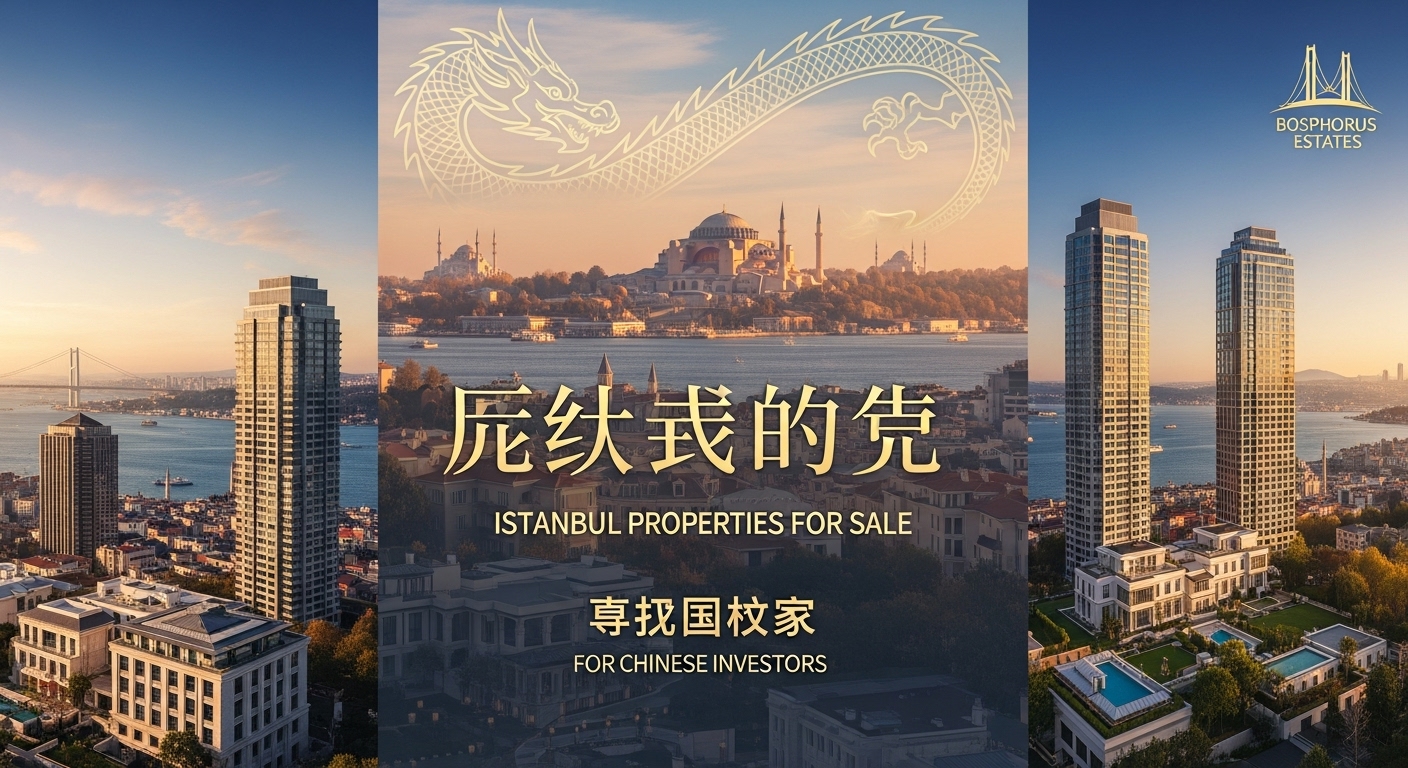
Istanbul Properties for Sale for Chinese Investors
1. Introduction
In recent years, Istanbul has emerged as a magnet for international property investors. Among the most enthusiastic new entrants into this market are Chinese investors—both individual buyers and investment groups. But why Istanbul? Why now? It turns out, the reasons are more compelling than ever.
Istanbul, straddling Europe and Asia, is more than just a cultural and historic jewel; it’s a real estate goldmine. Property values are still relatively affordable compared to other global megacities, while rental yields remain high. Add to this the Turkish government's flexible foreign investment policies and attractive citizenship-by-investment program, and it becomes crystal clear why investors from China are paying attention.
Post-2020, global economic shifts pushed Chinese investors to look beyond traditional markets like London, New York, and Sydney. Political uncertainties, stricter regulations, and skyrocketing prices in those cities have made them less appealing. Enter Istanbul—a city buzzing with development, infrastructure upgrades, and a growing expat population that fuels rental demand.
For Chinese investors, it’s not just about buying a property—it’s about securing a strategic foothold in a country that connects two continents, offers solid returns, and even a second passport. Whether it's a seafront villa in Beylikdüzü, a high-rise apartment in Şişli, or a commercial space in Levent, Istanbul is open for business—and investors from China are taking full advantage.
This guide will walk you through everything you need to know—what types of properties are available, where to buy, what legal steps to take, and why this moment might just be your best opportunity yet.
2. Understanding the Appeal of Istanbul
To fully understand why Istanbul is attracting Chinese investors in droves, you have to look beyond the property prices and into the essence of the city itself.
First off, Istanbul is a cultural kaleidoscope. It's the only city in the world that straddles two continents—Europe and Asia. That alone makes it fascinating. From the bustling bazaars of the Grand Bazaar to the elegant waterfront of the Bosphorus, the city offers a lifestyle that's equal parts exotic and cosmopolitan. For many Chinese buyers, owning a home here means much more than just acquiring a physical asset—it’s about buying into a rich cultural experience.
Then there’s the economic side. Istanbul is Turkey’s financial capital, home to major banks, multinational companies, and tech startups. The Turkish lira’s devaluation, while concerning for locals, presents a unique opportunity for foreign investors: properties are significantly more affordable when buying in foreign currencies such as the Chinese yuan or U.S. dollar.
Istanbul is also witnessing major urban renewal projects. Skyscrapers, smart homes, luxury malls, and mega infrastructure projects like the Istanbul Airport and Canal Istanbul are reshaping the skyline. These developments not only modernize the city but boost property values in key districts—an attractive proposition for long-term investors.
For the Chinese investor, Istanbul offers both tangible and intangible value: a chance to diversify away from crowded domestic markets and access to a city that delivers both high ROI and an unmatched lifestyle.
3. Why Chinese Investors Are Targeting Istanbul
You may be wondering—why have Chinese investors suddenly started focusing so much on Istanbul instead of sticking to traditional markets like the UK or Canada?
Well, here’s the thing: markets like London, Vancouver, and Sydney have become expensive and highly regulated. Several countries have even introduced foreign buyer taxes and ownership limits. For many Chinese investors, the barriers to entry in these places are now simply too high.
Meanwhile, Turkey—and Istanbul in particular—offers the exact opposite. The country has rolled out the red carpet for foreign buyers, especially those looking to invest in real estate. In 2018, Turkey launched a citizenship-by-investment program requiring a minimum real estate investment of just $250,000 (now raised to $400,000 as of 2022), which is significantly more affordable than similar programs in Europe or the Caribbean.
But it’s not just policy—it’s also politics. The growing relationship between Turkey and China, especially under the Belt and Road Initiative (BRI), is strengthening economic ties. As part of the BRI, Turkey is seen as a strategic partner due to its geographic position as a gateway to Europe, the Middle East, and Africa.
Moreover, the Chinese middle and upper class are actively seeking “Plan B” options—whether for lifestyle, business expansion, or securing education opportunities for their children. Istanbul provides all these benefits wrapped in a vibrant, global city that still feels culturally warm and family-friendly.
In short, Istanbul ticks all the boxes for Chinese investors seeking opportunity, security, and growth.
4. Types of Properties Available in Istanbul
Istanbul's real estate market is incredibly diverse, catering to nearly every type of buyer and budget. For Chinese investors looking to enter this market, understanding the available property types is crucial.
Residential Properties: These are the most popular choices for Chinese investors, especially those pursuing citizenship. Istanbul offers:
Apartments: Ranging from studio units to luxury penthouses. Common in neighborhoods like Şişli, Kadıköy, and Levent.
Villas: Especially attractive for wealthy buyers. Often found in areas like Zekeriyaköy, Beylikdüzü, and Büyükçekmece.
Smart Homes: Equipped with modern automation systems, these are a growing trend in districts like Başakşehir and Ataşehir.
Commercial Properties: For those looking to earn through business operations or rentals:
Retail Shops: Located in busy streets and shopping areas; ideal for steady rental income.
Office Spaces: Great investment in business hubs like Maslak and Levent.
Hotels and Serviced Apartments: With Istanbul’s tourism revival, these are becoming increasingly profitable.
New Developments vs. Resale Properties:
New Projects: Often sold off-plan with modern amenities and payment plans. Good for long-term appreciation.
Resale Properties: More affordable and faster to close, but may require renovation.
The variety allows investors to tailor their purchases to their goals—be it rental income, capital appreciation, or acquiring Turkish citizenship.
5. Top Neighborhoods in Istanbul for Chinese Buyers
Choosing the right neighborhood is half the battle won. For Chinese investors, the goal is usually a mix of profitability, safety, amenities, and lifestyle quality. Here are the top picks:
Başakşehir
Modern, family-friendly, and close to mega-projects like Kanal Istanbul. Known for its conservative vibe and newer developments.
Beylikdüzü
Affordable prices, sea-view villas, and new housing projects. Good for investors seeking value and growth potential.
Kadıköy
A cultural hub on the Asian side. Appeals to younger buyers and offers great nightlife, cafes, and public transport.
Şişli
Central location with high rental demand. Full of luxury apartment buildings and shopping malls.
Üsküdar
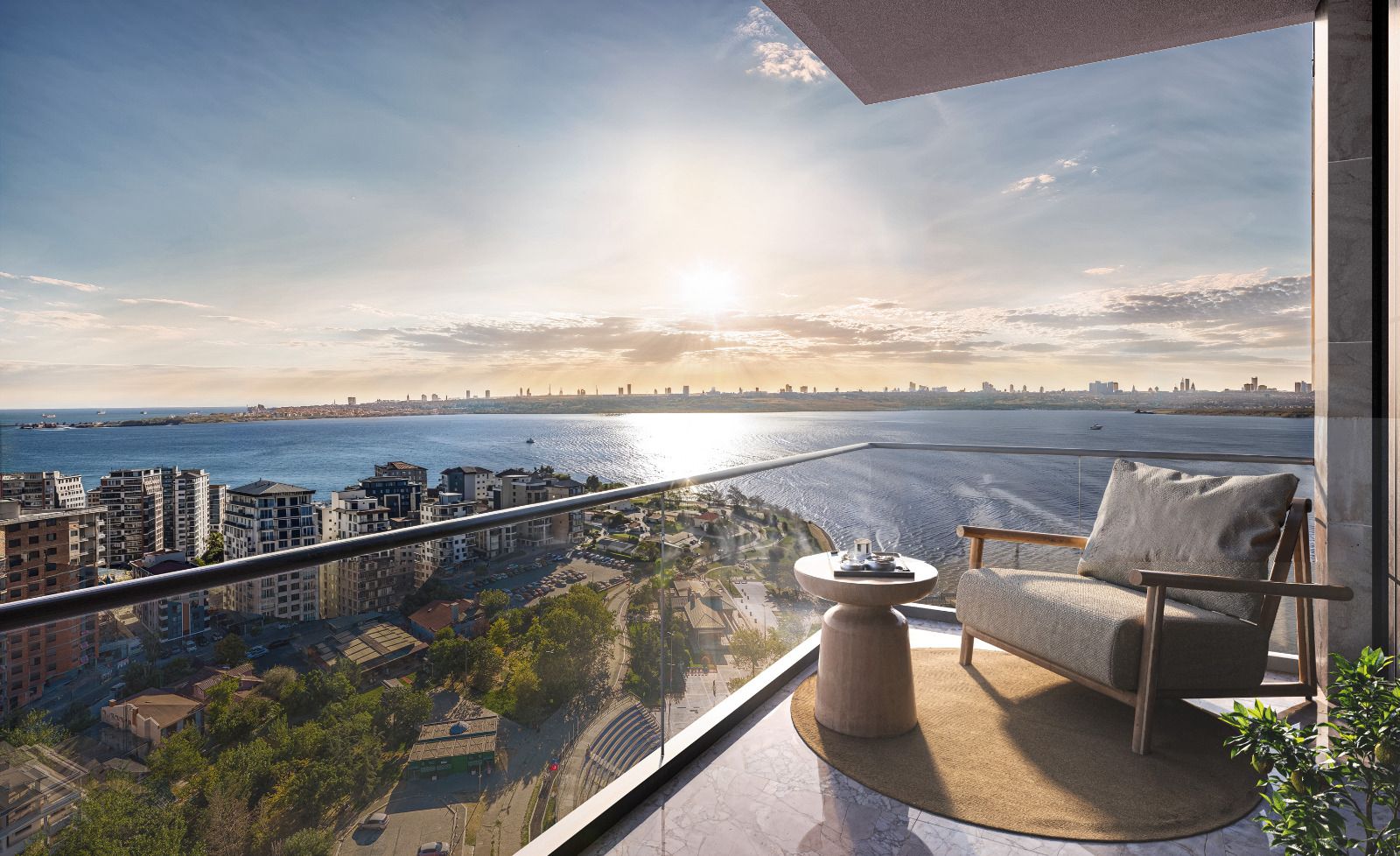
Peaceful, with stunning Bosphorus views. Combines tradition and modern living, great for families.
Each of these areas has distinct advantages depending on your investment goal—whether it's rental income, resale value, or residency benefits.
6. Price Trends in the Istanbul Property Market
Understanding price trends is crucial before making any property investment decision, especially in a dynamic market like Istanbul. For Chinese investors, who may be used to more saturated and mature markets, the affordability of Istanbul can be both surprising and enticing.
As of 2025, the average price per square meter in Istanbul is around $1,500 to $2,800, depending on the district, property type, and age of the building. Prime neighborhoods like Nişantaşı, Bebek, or Levent command prices upwards of $4,000 per square meter, while emerging areas like Esenyurt or Silivri still offer deals closer to $1,200 per square meter.
The Turkish lira’s fluctuations over the past few years have created attractive entry points for foreign investors. With the yuan stronger than the lira, Chinese buyers are getting more property for their money. However, it's not just about the currency exchange—property prices in Istanbul have been consistently appreciating.
Here are some notable trends:
Annual appreciation rates in top districts range between 10% to 25%, depending on proximity to major infrastructure like the new Istanbul Airport or Canal Istanbul.
New developments have seen even higher price increases, especially those offering amenities like gyms, pools, and 24/7 security.
Rental yields average between 5% to 8%, much higher than many Western markets, making buy-to-let a viable strategy.
Forecasts for the next five years remain optimistic. Experts predict a compound annual growth rate of 8% to 12%, fueled by:
Continued foreign interest (especially from China, Russia, and Gulf countries),
Domestic demand from Istanbul’s growing population,
Large-scale infrastructure projects that enhance regional value.
In short, Istanbul presents a rare mix of affordability and upside potential, making it a high-growth market for Chinese property investors.
7. Benefits of Investing in Istanbul Real Estate
Investing in Istanbul real estate is more than just buying a piece of property—it's about unlocking a range of benefits that can significantly impact wealth, lifestyle, and even legal status.
High Rental Yields
One of the biggest draws is the high rental income potential. With Istanbul being a mega-city hosting over 15 million residents, the demand for rentals is consistently high. Chinese investors often find:
Short-term rentals (like Airbnb) are extremely lucrative in tourist-heavy areas.
Long-term leases provide stable monthly income, especially in business hubs.
Rental yields between 5% to 8% annually are common—much higher than in Beijing or Shanghai, where yields can dip below 2%.
Path to Turkish Citizenship
Turkey offers one of the most accessible citizenship-by-investment programs globally. By purchasing property worth at least $400,000, investors can apply for Turkish citizenship for themselves and their immediate family. Benefits include:
Visa-free travel to 110+ countries.
Access to Turkish healthcare and education.
Easier business expansion in Europe and the Middle East.
For many Chinese investors, this citizenship option doubles as a strategic backup plan—a way to hedge against future uncertainties at home.
Tax Advantages
Turkey has relatively low property taxes compared to many Western countries. Additionally, Chinese buyers can benefit from:
No annual property tax for the first five years in some new developments.
Exemptions on VAT for first-time foreign buyers if the purchase is made in foreign currency.
Favorable capital gains tax laws, especially if the property is held for more than five years (zero tax after that).
Lifestyle and Diversification
Let’s not forget the lifestyle factor. Istanbul is a thriving metropolis with world-class restaurants, shopping, universities, and healthcare. It offers the chance to live or vacation in a vibrant, diverse city while benefiting from a secure asset.
Moreover, diversifying into international real estate helps reduce exposure to risks associated with domestic Chinese markets and currency.
8. Legal Aspects Chinese Investors Should Know
Buying property in a foreign country comes with legal intricacies, and Turkey is no different. However, the process is generally straightforward, especially for Chinese nationals who are legally permitted to own real estate in Turkey under reciprocity laws.
Property Ownership Rights
Foreigners, including Chinese citizens, can legally buy:
Residential apartments
Villas
Land (with restrictions)
Commercial properties
However, some limitations apply:
Properties near military zones or strategic areas may be restricted.
Foreign ownership in rural or agricultural zones might require special approval.
Legal Process Overview
Here’s what Chinese investors should expect in the legal purchase process:
Reservation and Deposit: Typically 1%–5% of the property price.
Due Diligence: A lawyer verifies the title deed, checks for debts or liens, and ensures all legal documents are in order.
Contract Signing: Outlines the payment plan and property details.
Tapu (Title Deed) Transfer: Final step where ownership is legally transferred at the land registry office.
Required Documents
Passport (translated and notarized)
Turkish tax number
Proof of funds or bank statement
Power of attorney (if purchasing remotely)
Legal Representation
While it’s not mandatory to hire a lawyer, it’s strongly recommended. Legal professionals will safeguard your investment by:
Translating contracts accurately,
Negotiating favorable terms,
Ensuring compliance with Turkish property law.
Having a bilingual (Chinese-Turkish or English-speaking) attorney makes the entire process smoother and more transparent.
9. How to Buy Property in Istanbul from China
Living in China doesn’t mean you can’t invest in Istanbul real estate. In fact, many Chinese investors buy properties remotely with the help of technology and local professionals.
Step-by-Step Remote Buying Process
Research and Shortlist: Use international property portals and trusted local agency websites to shortlist properties.
Virtual Tours: Most agencies now offer 3D walkthroughs, video calls, and drone footage for overseas clients.
Hire a Local Agent: Choose a reputable, bilingual real estate consultant with experience handling Chinese clients.
Appoint a Lawyer: Grant power of attorney to handle legal paperwork and attend the title deed registration on your behalf.
Open a Turkish Bank Account: Required for the payment process and tax ID.
Transfer Funds: Ensure that funds are sent legally through state-approved banking channels.
Title Deed Registration: The lawyer completes this, and you're officially the property owner.
Tips for Remote Buyers
Verify the developer’s reputation if buying off-plan.
Only work with agents/lawyers who are certified by the Istanbul Chamber of Commerce.
Always confirm the property has no debt, unpaid taxes, or ownership disputes.
Travel Option
Once travel is possible or preferred, Chinese investors can obtain a tourist visa to Turkey, view properties in person, and complete the transaction directly within 7–10 days.
10. Citizenship by Investment Program in Turkey
One of the most compelling reasons Chinese investors choose Istanbul is the Turkish Citizenship by Investment (CBI) program. Introduced in 2018 and updated in 2022, it allows investors to obtain Turkish citizenship by purchasing real estate worth at least $400,000.
How the Program Works
Buy one or more properties totaling $400,000 or more.
The property must be retained for at least three years.
Apply for citizenship with the Ministry of Interior.
The process typically takes 3 to 6 months and includes the investor’s spouse and children under 18.
Documents Required
Valid passport
Four biometric photos
Proof of property purchase (title deed)
Bank receipt showing full payment
Turkish tax ID
Application forms and notarized translations
Benefits for Chinese Citizens
No language test or residency required.
Full Turkish citizenship with rights to live, work, and study.
Access to Turkey’s E-2 investor visa treaty with the USA.
Potential visa-free travel to the Schengen zone in the future as Turkey negotiates with the EU.
The Turkish passport ranks among the top 50 globally, offering freedom of mobility and business expansion across continents.
11. Common Mistakes to Avoid
Investing in Istanbul real estate can be incredibly rewarding—but only if done right. Unfortunately, many first-time foreign buyers, including Chinese investors, fall into avoidable traps that can lead to legal headaches or financial losses. Here are some of the most common mistakes and how to steer clear of them.
1. Not Verifying Title Deeds
One of the gravest errors is not properly checking the Tapu (title deed). Some properties may have:
Outstanding debts or mortgages
Ownership disputes
Incorrect zoning classifications
Always ensure a licensed lawyer conducts due diligence and verifies the property's legal standing. Don’t rely solely on what agents tell you—get everything in writing.
2. Falling for Unrealistic Promises
Some developers and agents promise guaranteed rental income, price doubling in a year, or even "free citizenship." These are red flags. Real estate markets don’t offer overnight success. Istanbul is a solid investment—not a get-rich-quick scheme.
3. Ignoring Location Research
Buying in an unfamiliar district because it’s cheap can backfire. Some neighborhoods may lack infrastructure, have poor resale value, or be far from business and cultural centers. Do thorough research or consult with someone who understands local dynamics.
4. Skipping the Lawyer
Many buyers think using a lawyer is optional. It’s not. A trustworthy, bilingual lawyer can help you:
Navigate complex paperwork
Protect you from scams
Ensure your rights are respected
5. Not Understanding Local Taxes and Fees
Taxes, closing costs, and agency commissions can add 7%–10% to your total investment. Not accounting for these can strain your budget or lead to surprise expenses.
6. Choosing the Wrong Agent
Not all agents are created equal. Some may:
Hide critical information
Push overpriced or distressed properties
Lack knowledge of the citizenship process
Work only with agents registered with the Istanbul Chamber of Commerce or reputable international firms with Chinese-speaking consultants.
Avoiding these mistakes ensures that your Istanbul investment journey is smooth, profitable, and stress-free.
12. Working with Real Estate Agents and Lawyers
Navigating a foreign property market without reliable local assistance is like sailing without a compass. For Chinese investors, the success of an Istanbul property purchase largely depends on choosing the right real estate agent and legal counsel.
Finding a Good Real Estate Agent
Your agent should be more than a salesperson—they should be your local partner. Here’s what to look for:
Fluent communication in English or Mandarin
Deep knowledge of Istanbul neighborhoods
Experience working with foreign (especially Chinese) investors
Registered license with the Istanbul Chamber of Commerce
Professional agents help with:
Property selection based on your goals (rental, resale, citizenship)
Price negotiation
Arranging virtual or in-person tours
Explaining costs and hidden fees
What to Watch Out For
Agents who pressure you to buy quickly
Refusal to work with a lawyer
Only showing developer-owned or commission-heavy listings
Trustworthy agents are transparent, patient, and prioritizing your interests—not just closing a deal.
Importance of Hiring a Lawyer
In Turkey, legal representation isn’t mandatory—but strongly recommended, especially for foreign investors. Your lawyer ensures:
Property has no legal issues
Contracts are legally sound
Application for Turkish citizenship is filed correctly (if applicable)
They also act as your representative if you’re buying from China via power of attorney, saving you time and travel.
How to Find a Reputable Lawyer
Choose lawyers registered with the Istanbul Bar Association
Ask if they’ve worked with Chinese clients before
Read reviews and verify credentials online
The collaboration between a competent agent and a diligent lawyer forms the backbone of a secure and rewarding investment experience in Istanbul.
13. Real-Life Case Studies: Success Stories of Chinese Investors
Let’s put theory into practice. Real estate is all about results, and several Chinese investors have already found success in Istanbul. Here are a few real-life examples that highlight different strategies and outcomes.
Case Study 1: Liu Wei – Rental Income Generator
Background: A tech entrepreneur from Shenzhen
Investment: $450,000 for two apartments in Şişli
Goal: Monthly rental income + citizenship
Outcome: Within six months, Liu was earning $3,200/month from long-term leases. He also successfully secured Turkish citizenship for himself and his wife. He plans to expand by purchasing a third apartment next year.
Case Study 2: Wang Family – Education and Residency
Background: A family from Beijing with two children
Investment: $500,000 villa in Beylikdüzü
Goal: Second home and long-term plan for children’s education
Outcome: The family uses the villa for summer holidays and has enrolled one child in an international school in Istanbul. They report a 30% increase in property value over two years and are enjoying the laid-back lifestyle.
Case Study 3: Zhao Ming – Commercial Play
Background: Businessman from Guangzhou
Investment: $800,000 in a commercial retail space in Levent
Goal: High rental yields and business expansion
Outcome: Zhao leased the property to a local franchise and earns a 7.5% annual return. He’s now exploring additional commercial real estate options in business hubs like Maslak and Ataşehir.
These examples show that with the right approach, Chinese investors can succeed in various segments of Istanbul's real estate market—from residential to commercial, from citizenship goals to pure ROI.
14. Future Prospects for Chinese Investment in Istanbul
The relationship between China and Turkey is growing stronger, and that spells opportunity for savvy investors. Istanbul’s property market is not just a passing trend—it’s a future-proof investment.
Strategic Importance in the Belt and Road Initiative
Turkey plays a crucial role in China’s Belt and Road Initiative (BRI). Its geographical location makes it a key corridor connecting Asia with Europe. As infrastructure along this route improves, property values in Istanbul are expected to rise in tandem.
Mega Projects That Will Transform the City
Canal Istanbul: Often dubbed “the second Bosphorus,” this massive project will increase land values in western Istanbul.
New Istanbul Airport: One of the world’s largest, it’s already spurred property booms in nearby areas like Arnavutköy.
High-Speed Rail and Metro Expansions: Better transportation means higher accessibility and property demand.
Population Growth and Urbanization
Istanbul’s population continues to grow. With 15 million+ residents and counting, the need for housing, offices, and commercial space will remain high. This ensures long-term demand for both rentals and resales.
Shift in Chinese Investment Strategy
With Chinese investors becoming more cautious and seeking diversification, Istanbul offers:
Political neutrality
Investor-friendly policies
Cultural richness and global connectivity
All signs point to continued Chinese interest and capital inflows into Istanbul’s real estate sector for the foreseeable future.
15. Conclusion
Istanbul offers an exceptional blend of history, opportunity, and future growth. For Chinese investors looking to diversify outside traditional markets, the city presents a compelling case—affordable property prices, high rental yields, and the possibility of Turkish citizenship.
Whether your goal is to earn passive income, secure a second passport, or simply enjoy a beautiful home in one of the world’s most vibrant cities, Istanbul delivers. But success depends on strategy—doing your research, working with professionals, and making informed decisions.
The Turkish property market isn’t without its challenges, but for those who approach it wisely, the rewards are real and long-lasting. With China’s growing ties to Turkey and ongoing development projects shaping Istanbul’s skyline, this might just be the perfect time to stake your claim.
FAQs
1. Can Chinese citizens own property in Istanbul?
Yes, Chinese citizens can legally purchase real estate in Turkey, including Istanbul. There are very few restrictions, mostly limited to military zones or certain rural areas.
2. What are the best areas in Istanbul for investment?
Top areas include Şişli, Kadıköy, Başakşehir, Beylikdüzü, and Levent—each offering different advantages in terms of rental yield, appreciation, and lifestyle.
3. Is Turkish citizenship guaranteed with property purchase?
Citizenship is available through the investment program if you purchase property worth at least $400,000 and commit to holding it for three years. It's a structured process with legal requirements but very achievable.
4. What taxes apply to foreign property buyers?
Buyers must pay a title deed transfer tax (4%), annual property tax (~0.1% to 0.6%), and sometimes VAT (exempt for first-time foreign buyers). Legal and agency fees also apply.
5. How safe is Istanbul for property investment?
Istanbul is considered safe for foreign investment, especially when working with licensed professionals. The city has a strong legal framework and a track record of successful foreign transactions.


.jpeg)


Have Question Or Suggestion ?
Please Share Your Thought, To Make It Real