Live in Antalya
Discover why thousands are rushing to live in Antalya before prices explode. Beaches, low costs, luxury lifestyle, and hidden secrets revealed.
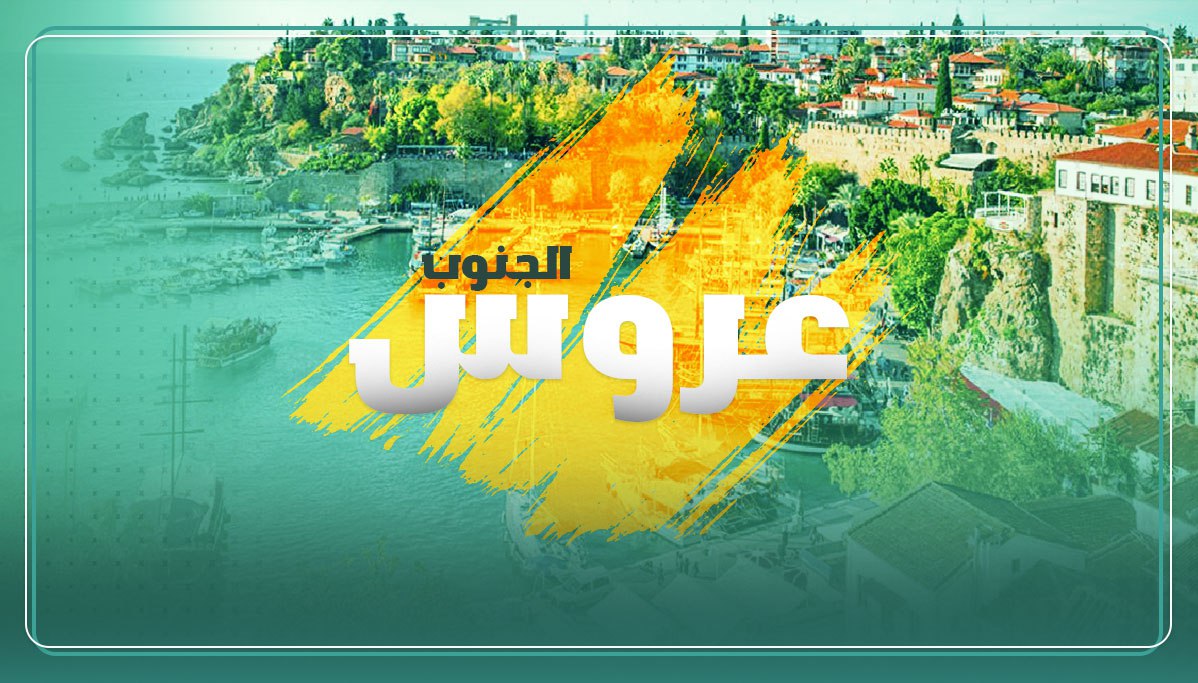
Live in Antalya: The Complete Guide to Living, Working, and Thriving on Turkey’s Mediterranean Coast
Why Antalya Has Become a Global Living Destination
Antalya is no longer just a vacation hotspot where tourists arrive for a week of sunshine and then disappear back into gray winters elsewhere. Over the last decade, this Mediterranean paradise has transformed into one of the most attractive cities for expats, retirees, digital nomads, and investors. People from Europe, Russia, the Middle East, Central Asia, and even North America are increasingly choosing to live in Antalya permanently. The city offers something many modern urban centers have lost: balance. It blends natural beauty, affordability, modern infrastructure, and a relaxed coastal lifestyle into one experience that feels both energetic and peaceful at the same time.
One of the biggest reasons behind Antalya’s growing popularity is climate. Imagine waking up to over 300 sunny days each year, stepping outside in winter without needing heavy coats, and spending evenings by the sea almost year-round. For many foreigners escaping long winters or expensive metropolitan cities, Antalya feels like discovering a hidden level in life that they never knew existed. The Mediterranean Sea acts almost like a giant mood stabilizer for the city. The atmosphere feels lighter, slower, and more human-centered compared to crowded megacities.
The Rise of International Residents in Antalya
International migration into Antalya has increased dramatically in recent years. According to Turkish migration statistics, Antalya consistently ranks among the top cities in Turkey for foreign residency permits. Russians, Germans, Ukrainians, Kazakhs, and British residents form large communities throughout the city. Walking through districts like Konyaaltı or Lara, it is common to hear multiple languages in cafés, gyms, beaches, and supermarkets.
This multicultural environment creates a surprisingly comfortable landing space for newcomers. Unlike some cities where foreigners constantly feel like outsiders, Antalya has developed systems and services around international living. Real estate agencies often provide multilingual staff, hospitals offer international patient departments, and many restaurants include English or Russian menus. Even local shopkeepers have adapted to tourism and foreign residency trends, making everyday communication easier than many people expect.
The city also benefits from Antalya Airport, one of the busiest international airports in Turkey. Direct flights connect Antalya to dozens of European and Middle Eastern destinations, making travel simple for residents who need mobility for work or family reasons. This accessibility is one of the hidden superpowers of living here. Antalya feels relaxed and coastal, yet remains globally connected.
What Makes Antalya Different From Other Coastal Cities
Many coastal cities around the world promise sunshine and beaches, but Antalya combines these attractions with practical living advantages. Compared to places like Barcelona, Nice, or Dubai, Antalya remains significantly more affordable while still offering modern amenities. Rent, transportation, healthcare, and dining costs are often far lower than Western European standards, allowing residents to enjoy a higher quality of life on a moderate income.
Another difference is geography. Antalya is not just about beaches. The Taurus Mountains stand dramatically behind the city, creating one of the most visually stunning urban landscapes in the Mediterranean region. Within a single day, residents can swim in warm coastal waters and later drive into cool mountain villages for dinner. This contrast gives the city a dynamic energy that prevents it from feeling one-dimensional.
Safety is another major factor. Many expats describe Antalya as comfortable and family-friendly. Walking along the coast at night, visiting cafés late in the evening, or allowing children to play outdoors often feels safer than in many large international cities. While every city has challenges, Antalya generally maintains a relaxed and socially connected atmosphere that newcomers appreciate quickly.
Understanding Antalya’s Lifestyle
Living in Antalya means adapting to a different rhythm of life. The city operates on what many people call “Mediterranean time.” Life is not rushed every second of the day. Conversations last longer. Meals are social experiences rather than fuel stops. Tea breaks happen frequently, and sunsets often become community events along the coastline. For newcomers coming from highly competitive urban cultures, this shift can feel strange at first, almost like moving from a fast-action movie into a slow but beautiful documentary.
The emotional atmosphere of Antalya is heavily influenced by outdoor living. People spend time in parks, beach promenades, outdoor cafés, and marina areas throughout the year. Instead of being trapped indoors for long winters, residents naturally become more active and social. This changes daily behavior in subtle but powerful ways. Many expats report reduced stress levels and improved mental well-being after relocating.
The Mediterranean Rhythm of Daily Life
Mornings in Antalya often begin with sunshine pouring through windows and the smell of fresh bread from nearby bakeries. Local markets become lively gathering places where residents buy vegetables, olives, spices, seafood, and fruit directly from farmers. There is still a strong neighborhood culture in many districts, where shop owners recognize repeat customers and relationships matter.
Lunches can stretch into long conversations overlooking the sea, especially during weekends. Evenings become particularly magical in Antalya. As temperatures cool slightly, the coastline fills with walkers, cyclists, families, and groups of friends. Konyaaltı Beach and Lara Beach transform into social hubs where people gather not only for recreation but also for connection.
One fascinating aspect of Antalya life is how deeply nature integrates into everyday routines. Instead of planning expensive entertainment every weekend, many residents simply drive to waterfalls, mountain roads, beaches, or ancient ruins. The city itself becomes the entertainment platform. This reduces the pressure of constantly spending money to enjoy life.
Work-Life Balance and Social Culture
Work-life balance is one of Antalya’s strongest selling points. While major Turkish cities like Istanbul often feel fast-paced and intense, Antalya maintains a calmer energy. Professionals working remotely frequently choose Antalya because they can maintain international careers while enjoying a more peaceful environment.
Café culture plays a huge role in social life. Business meetings happen near the beach. Freelancers work from seaside coffee shops. Families spend long evenings outdoors instead of remaining isolated inside apartments. Social interaction feels organic rather than forced. Even simple activities like drinking Turkish tea become opportunities for meaningful conversation.
Turkish hospitality also leaves a strong impression on newcomers. Neighbors may offer homemade food, local shopkeepers often remember preferences, and invitations to gatherings happen naturally. Building friendships can take time due to language differences, but once trust develops, relationships often become remarkably warm and loyal.
Best Areas to Live in Antalya
Choosing the right neighborhood is one of the most important decisions for anyone planning to live in Antalya. Each district has its own personality, pace, and lifestyle advantages. Some areas attract digital nomads and younger professionals, while others appeal more to retirees or families seeking affordability and comfort. Understanding these differences helps newcomers avoid the mistake of choosing a location based only on photos or tourist impressions.
Konyaaltı for Modern Coastal Living
Konyaaltı is arguably the most popular district among foreigners. The area combines modern apartment complexes, beach access, shopping centers, fitness clubs, and international restaurants into one highly livable environment. The famous Konyaaltı Beach stretches for kilometers, creating one of the city’s most iconic lifestyles. Residents often start mornings with seaside walks or bicycle rides along the promenade.
The infrastructure here is modern and convenient. Many buildings include swimming pools, gyms, security systems, and parking garages. Digital nomads especially love Konyaaltı because internet connectivity and coworking spaces are generally reliable. The district also has a younger energy compared to more traditional neighborhoods.
Rental prices in Konyaaltı are higher than in some inland districts, but many residents feel the quality of life justifies the cost. Living within walking distance of the sea changes daily routines dramatically. It becomes less about “going to the beach” and more about integrating the coastline into everyday life.
Lara for Luxury and Convenience
Lara represents the upscale side of Antalya living. Known for luxury hotels, premium residences, and stylish shopping streets, Lara attracts professionals, affluent families, and investors seeking modern comfort. The area offers excellent restaurants, international schools, private hospitals, and high-end residential projects.
One major advantage of Lara is proximity to Antalya Airport. Frequent travelers appreciate the convenience, especially business professionals who need regular international connections. The district also has beautifully maintained parks and coastal cliffs that provide spectacular Mediterranean views.
Lara’s social atmosphere feels polished and cosmopolitan. Cafés, beach clubs, and restaurants often cater to international residents. While costs can be higher here, many expats consider Lara one of the most comfortable places for long-term living in Turkey.
Kaleiçi for History and Charm
Kaleiçi, Antalya’s old town, feels like stepping into a living postcard. Narrow cobblestone streets twist between Ottoman-era houses, boutique hotels, hidden courtyards, and centuries-old architecture that somehow still pulses with life. Living here is completely different from living in modern apartment districts like Konyaaltı or Lara. Kaleiçi offers atmosphere instead of convenience, character instead of uniformity. For artists, writers, entrepreneurs, and people who crave emotional connection to a place, this district can feel almost addictive.
The harbor area is one of the most beautiful sections of the city. Fishing boats, cafés, and yachts sit against the backdrop of ancient walls and turquoise Mediterranean water. During evenings, the district becomes vibrant with music, restaurants, and social activity. Yet early mornings remain peaceful and cinematic, with quiet alleys and soft sunlight reflecting against stone buildings. It is the kind of place where daily walks never feel repetitive because every corner seems to carry a story.
Living in Kaleiçi does come with practical considerations. Parking can be difficult, and some older homes require renovation or maintenance. Noise levels can rise during tourist season because of nightlife and heavy visitor traffic. Internet speeds and modern infrastructure may not always match newer neighborhoods. Still, many residents accept these trade-offs because Kaleiçi provides something rare in modern urban life: soul. It feels handcrafted rather than engineered.
Property values in Kaleiçi also remain attractive for investors interested in boutique hospitality businesses or unique rental properties. Renovated Ottoman houses are increasingly popular among tourists seeking authentic experiences instead of generic hotel stays. For long-term residents, the district creates a lifestyle centered around culture, history, and human interaction rather than endless commercial development.
Kepez for Affordable Family Living
Kepez is often overlooked by newcomers who initially focus only on coastal districts, but it has quietly become one of Antalya’s most practical and affordable residential areas. Families, local professionals, and budget-conscious expats increasingly choose Kepez because it offers larger apartments, lower rental prices, and a calmer atmosphere compared to more tourist-heavy neighborhoods.
The district has experienced significant urban development over the last decade. New residential complexes, shopping centers, hospitals, parks, and transportation projects have transformed Kepez into a more modern and connected part of the city. While it may lack the glamorous beachfront image of Lara or Konyaaltı, many residents appreciate its functionality and authenticity. Life here feels more local and less driven by tourism.
For families with children, Kepez offers several advantages. Schools, playgrounds, and community spaces are widely available, and traffic congestion tends to be lighter in certain areas. Apartments are generally larger, allowing families to enjoy more living space without spending enormous amounts on rent. Many residential buildings include green spaces and recreational facilities designed for long-term living rather than short-term tourism.
One hidden benefit of Kepez is its strategic position. Residents can still reach beaches, shopping districts, or central Antalya relatively quickly while avoiding some of the higher living expenses found closer to the coast. As Antalya continues expanding, Kepez is becoming increasingly important in the city’s future development plans. Property investors have also begun paying closer attention to the district due to its growth potential and rising infrastructure quality.
Cost of Living in Antalya
One of the biggest reasons people decide to live in Antalya is affordability. Compared to many European coastal cities, Antalya allows residents to enjoy a high-quality Mediterranean lifestyle at a fraction of the cost. Of course, living expenses depend heavily on lifestyle choices, housing preferences, and exchange rates, but overall, Antalya remains one of the most budget-friendly seaside cities for international residents.
The fascinating part is not just that Antalya is cheaper — it is that residents often feel they are gaining more value from daily life. Sunshine, outdoor culture, affordable dining, and accessible healthcare create a lifestyle where people can enjoy themselves without constantly feeling financial pressure. That emotional freedom becomes one of the city’s strongest attractions.
Housing and Rental Prices
Housing is usually the largest monthly expense for residents, and Antalya offers a wide range of options. Modern apartments in Konyaaltı or Lara with pools, gyms, and security services naturally cost more than homes in inland districts like Kepez. Still, compared to cities such as London, Berlin, Dubai, or Toronto, rental prices remain significantly lower.
Here’s a general overview of average monthly rental costs in 2026:
| Area | 1-Bedroom Apartment | 3-Bedroom Apartment |
|---|---|---|
| Konyaaltı | $600–$1,000 | $1,200–$2,000 |
| Lara | $700–$1,200 | $1,400–$2,500 |
| Kaleiçi | $500–$900 | $1,000–$1,800 |
| Kepez | $350–$700 | $700–$1,200 |
Luxury penthouses and sea-view residences can cost considerably more, but many expats find comfortable apartments well within moderate budgets. Utility bills, including electricity, water, internet, and gas, vary seasonally. Summers increase air conditioning costs, while mild winters help reduce heating expenses compared to colder countries.
Property ownership also attracts many foreigners. Turkish real estate laws allow international buyers to purchase property relatively easily in most areas. Investors are particularly interested in Antalya because of strong tourism demand and long-term growth potential.
Food, Transportation, and Utilities
Food costs in Antalya can be surprisingly affordable, especially for residents who shop at local markets rather than relying entirely on imported goods. Fresh produce, seafood, bread, olives, cheese, and spices are widely available and often far cheaper than in Western Europe or North America. Weekly neighborhood markets create opportunities to buy directly from local farmers, which not only lowers costs but also improves food quality.
Dining out is another area where Antalya shines. A simple local restaurant meal may cost between $5 and $15, while upscale dining experiences remain affordable compared to equivalent restaurants abroad. Turkish breakfast culture alone deserves its own category because it transforms mornings into long social rituals filled with tea, cheeses, olives, eggs, vegetables, and fresh bread.
Transportation costs remain relatively low. Antalya’s public transportation system includes buses and trams connecting major districts efficiently. Taxis are affordable compared to many Western countries, although prices have increased in recent years due to inflation. Many residents also use bicycles or scooters, especially along coastal routes.
Comparing Antalya With European Cities
The affordability gap becomes even clearer when comparing Antalya with major European destinations.
| Expense Category | Antalya | Barcelona | Nice | Dubai |
|---|---|---|---|---|
| Average Rent | Low-Medium | High | Very High | Very High |
| Restaurant Prices | Affordable | Expensive | Expensive | Expensive |
| Healthcare | Affordable | Moderate | High | High |
| Public Transport | Cheap | Moderate | Moderate | Moderate |
| Utilities | Moderate | High | High | High |
For remote workers earning foreign income, Antalya can dramatically improve financial flexibility. Many expats discover they can save more money while simultaneously enjoying a more relaxed and healthier lifestyle.
Working and Doing Business in Antalya
Antalya has evolved far beyond a simple tourism city. While tourism remains the backbone of the local economy, remote work culture, international business, real estate investment, and digital entrepreneurship are transforming the city into a modern economic hub. This shift has made Antalya increasingly attractive for professionals who want career opportunities without sacrificing lifestyle quality.
Remote Work Opportunities
Remote workers and digital nomads have become one of Antalya’s fastest-growing communities. The combination of affordable living costs, strong internet infrastructure in major districts, beautiful surroundings, and international accessibility makes the city highly attractive for online professionals.
Many freelancers and remote employees create routines that blend productivity with outdoor living. Morning work sessions often happen in cafés overlooking the sea, while afternoons may include beach walks, gym sessions, or mountain excursions. This lifestyle balance helps reduce burnout, which is increasingly common in high-pressure urban work environments.
Coworking spaces have also expanded throughout Antalya. Areas like Konyaaltı now feature modern shared offices designed specifically for entrepreneurs, developers, marketers, designers, and content creators. Networking events, startup communities, and international social groups continue growing each year.
Tourism and Local Business Economy
Tourism still drives a major portion of Antalya’s economy. Hotels, restaurants, travel agencies, transportation companies, and entertainment venues create thousands of jobs annually. Seasonal fluctuations remain part of the local business environment, but tourism demand has remained consistently strong due to Antalya’s international reputation.
Real estate is another booming sector. Foreign investment continues increasing, especially in residential developments aimed at international buyers. Construction, property management, and interior design businesses have benefited significantly from this growth.
Agriculture also plays a surprisingly important role in Antalya’s economy. The region produces large amounts of fruits, vegetables, and greenhouse products distributed throughout Turkey and exported internationally. This agricultural foundation contributes to the city’s fresh food culture and economic stability.
Entrepreneurs often find Antalya appealing because startup costs can be lower than in major European cities. Opening cafés, wellness businesses, tourism services, creative agencies, or online businesses becomes more financially accessible here. The city’s growing international population also creates demand for multilingual services and globally oriented businesses.
Healthcare and Education in Antalya
One of the biggest concerns for anyone planning to relocate abroad is access to reliable healthcare and quality education. Antalya performs surprisingly well in both categories. Over the years, the city has invested heavily in modern hospitals, private clinics, universities, and international schools, making long-term living much easier for both individuals and families. Many expats arrive expecting a beautiful vacation city and end up discovering that Antalya also offers a highly functional everyday infrastructure.
Healthcare quality has improved dramatically throughout Turkey during the last two decades, and Antalya benefits directly from that national investment. The city has become a major center for medical tourism as well, attracting patients from Europe, the Middle East, and Central Asia for treatments ranging from dental care to cosmetic surgery and advanced procedures. This international demand has encouraged hospitals and clinics to maintain modern standards and multilingual services.
Public vs Private Healthcare
Turkey operates both public and private healthcare systems, and residents in Antalya often choose between them depending on budget, insurance coverage, and personal preference. Public hospitals are generally affordable and accessible, particularly for residents with Turkish health insurance. Waiting times can sometimes be longer in public facilities, but many hospitals are modern and staffed by highly trained doctors.
Private healthcare, however, is where Antalya truly stands out for international residents. Private hospitals such as Medical Park, Anadolu, and Memorial offer advanced medical technology, English-speaking staff, shorter waiting periods, and comfortable patient environments. Compared to healthcare costs in countries like the United States or parts of Western Europe, private treatment in Antalya remains significantly more affordable.
Here’s a simple comparison:
| Healthcare Feature | Public Hospitals | Private Hospitals |
|---|---|---|
| Cost | Low | Moderate |
| Waiting Time | Longer | Shorter |
| English Support | Limited | Strong |
| Facilities | Good | Excellent |
| Appointment Speed | Moderate | Fast |
Many expats choose private health insurance because the monthly costs are relatively reasonable while providing access to high-quality care. Dental treatment and cosmetic procedures are especially popular due to the combination of affordability and professional standards.
Another major advantage is Antalya’s climate itself. The Mediterranean environment encourages outdoor activity, walking, swimming, and year-round movement. Many residents notice improvements in physical and mental health simply because daily life naturally becomes more active and less stressful.
International Schools and Universities
Families relocating to Antalya often worry about education quality and language barriers. Fortunately, the city has developed a growing network of international schools and educational institutions catering to foreign residents. Schools offering English, Russian, German, and bilingual programs are becoming increasingly common, especially in areas with high expat populations like Lara and Konyaaltı.
International schools typically follow globally recognized curricula, allowing students to transition more smoothly between countries if families relocate again in the future. These schools often emphasize smaller class sizes, multicultural learning environments, and extracurricular activities connected to arts, technology, and sports.
Antalya is also home to respected universities such as Akdeniz University, one of Turkey’s major public universities. The institution attracts both domestic and international students and contributes significantly to the city’s youthful energy and cultural diversity. University districts create vibrant social scenes filled with cafés, libraries, music venues, and student-oriented businesses.
For younger children, many neighborhoods offer kindergartens and primary schools with modern facilities. Turkish children generally grow up in socially active environments where outdoor play and community interaction remain common, something many foreign parents appreciate after experiencing more isolated urban cultures elsewhere.
Weather, Nature, and Outdoor Activities
Living in Antalya means living outdoors. The city’s climate and geography shape nearly every aspect of daily life. Sunshine is not treated as a rare luxury here — it becomes part of normal existence. For people coming from cold or heavily urbanized environments, this can create a surprisingly emotional shift. Life feels lighter when blue skies become routine instead of occasional rewards.
Antalya’s natural setting is one of the strongest arguments for relocating. Few cities in the world combine Mediterranean beaches, mountain landscapes, ancient ruins, waterfalls, forests, and outdoor recreation opportunities so seamlessly. Nature here does not sit outside the city; it weaves directly into daily routines.
Beaches, Mountains, and Natural Wonders
Konyaaltı Beach and Lara Beach are the city’s most famous coastal areas, but Antalya’s coastline stretches far beyond these well-known spots. Small hidden coves, dramatic cliffs, and turquoise bays create endless opportunities for exploration. Many residents develop weekend rituals involving beach trips, picnics, or sunrise swims before work.
The Taurus Mountains provide a stunning contrast to the sea. During winter, some mountain peaks even receive snow while the coastline remains relatively warm. This creates rare opportunities to ski and swim within the same region during certain times of the year. Mountain villages surrounding Antalya also offer cooler summer escapes, traditional Turkish breakfasts, hiking routes, and breathtaking scenery.
Nature lovers often explore attractions such as:
- Düden Waterfalls
- Kurşunlu Waterfall
- Olympos and Çıralı
- Phaselis Ancient City
- Saklıkent Ski Resort
- Köprülü Canyon
These destinations make weekends feel adventurous without requiring expensive travel plans. Residents quickly realize that entertainment in Antalya often comes directly from geography itself rather than shopping malls or artificial attractions.
Best Activities for Residents
Outdoor culture dominates life in Antalya. Walking, cycling, swimming, hiking, diving, sailing, fishing, and camping all become accessible parts of everyday living. The city’s coastal promenades remain active almost every evening with joggers, families, skateboarders, and cyclists enjoying the Mediterranean air.
Water sports are particularly popular. Scuba diving around Antalya reveals underwater caves, reefs, and even ancient ruins. Boat tours allow residents to explore hidden beaches unreachable by road. Sailing communities continue growing as more international residents settle in the area.
Fitness culture has also expanded significantly. Open-air gyms, yoga classes near the beach, and wellness retreats have become increasingly common. Many people who move to Antalya discover they naturally become healthier because physical activity integrates so easily into daily routines.
For history enthusiasts, Antalya is essentially an open-air museum. Ancient Roman, Lycian, Byzantine, and Ottoman sites surround the region. Weekend drives often lead to ruins older than many modern nations. This constant interaction between nature and history gives Antalya a richness that many modern resort cities lack.
Challenges of Living in Antalya
While Antalya offers many advantages, no city is perfect. Anyone planning to relocate should understand the practical challenges as well. Romanticizing life abroad without acknowledging difficulties can lead to disappointment later. Antalya’s beauty is real, but daily life still requires adaptation, patience, and realistic expectations.
Language Barriers and Bureaucracy
One of the biggest challenges for foreign residents is language. While many people working in tourism speak basic English or Russian, everyday bureaucracy often happens primarily in Turkish. Tasks such as residency applications, utility registrations, banking procedures, or legal paperwork can become stressful without translation support.
Learning even basic Turkish significantly improves life quality. Locals usually appreciate foreigners who make an effort to communicate in the local language, even imperfectly. Simple conversations at markets, restaurants, and shops become warmer and more natural with a little language ability.
Turkish bureaucracy can also feel slow or confusing to newcomers. Processes sometimes require unexpected documents, multiple office visits, or changing procedures. Patience becomes essential. Many expats eventually learn to navigate the system successfully, but the adjustment period can be frustrating initially.
Hiring local legal advisors or translators often helps simplify residency permits, property purchases, and administrative tasks. Fortunately, Antalya’s large foreign community means many professionals specialize in helping international residents handle these processes.
Seasonal Tourism Crowds
Tourism is both Antalya’s strength and one of its seasonal challenges. During peak summer months, beaches, roads, restaurants, and shopping areas can become extremely crowded. Traffic increases significantly in popular districts, especially Lara and Konyaaltı.
Prices for rentals and certain services may also rise during tourism season. Some neighborhoods become noisier due to nightlife and temporary visitors. Residents living near major tourist zones occasionally describe summers as energetic but exhausting.
The city’s atmosphere changes noticeably between seasons. Winter months feel calmer, more local, and more relaxed. Many long-term residents actually enjoy autumn and spring the most because temperatures remain comfortable while crowds decrease dramatically.
Another challenge involves economic fluctuations and currency volatility in Turkey. Exchange rates can affect both local pricing and purchasing power. Foreign residents earning income in stronger currencies often experience advantages, while locals may face greater financial pressure during inflationary periods.
Despite these challenges, many residents still feel the positives outweigh the negatives. Antalya’s combination of climate, affordability, culture, and lifestyle remains difficult to replicate elsewhere.
Conclusion
Choosing to live in Antalya is not simply about moving to a warmer place. It is about adopting an entirely different relationship with daily life. The city offers a rare combination of affordability, natural beauty, modern infrastructure, international accessibility, and Mediterranean culture that continues attracting people from around the world.
Some residents arrive searching for lower living costs and end up discovering improved mental well-being. Others come for beaches but stay because of the social atmosphere, outdoor lifestyle, and sense of balance missing from many large cities. Antalya manages to feel both relaxed and alive at the same time — a combination surprisingly difficult to find elsewhere.
The city is not without challenges. Language barriers, bureaucracy, seasonal tourism, and economic fluctuations require patience and adaptation. Still, for many expats, retirees, entrepreneurs, and families, Antalya provides something increasingly valuable in modern life: breathing space. Space to slow down, reconnect with nature, enjoy community, and build a lifestyle that feels sustainable rather than exhausting.
Whether someone seeks remote work freedom, family-friendly living, retirement comfort, or investment opportunity, Antalya continues proving itself as one of the Mediterranean’s most compelling places to call home.
Have Question Or Suggestion ?
Please Share Your Thought, To Make It Real