The Ultimate Travel Guide to Northern Cyprus 2025
Discover everything you need to plan your trip to Northern Cyprus in 2025—from ancient ruins and golden beaches to food, festivals, and hidden gems.
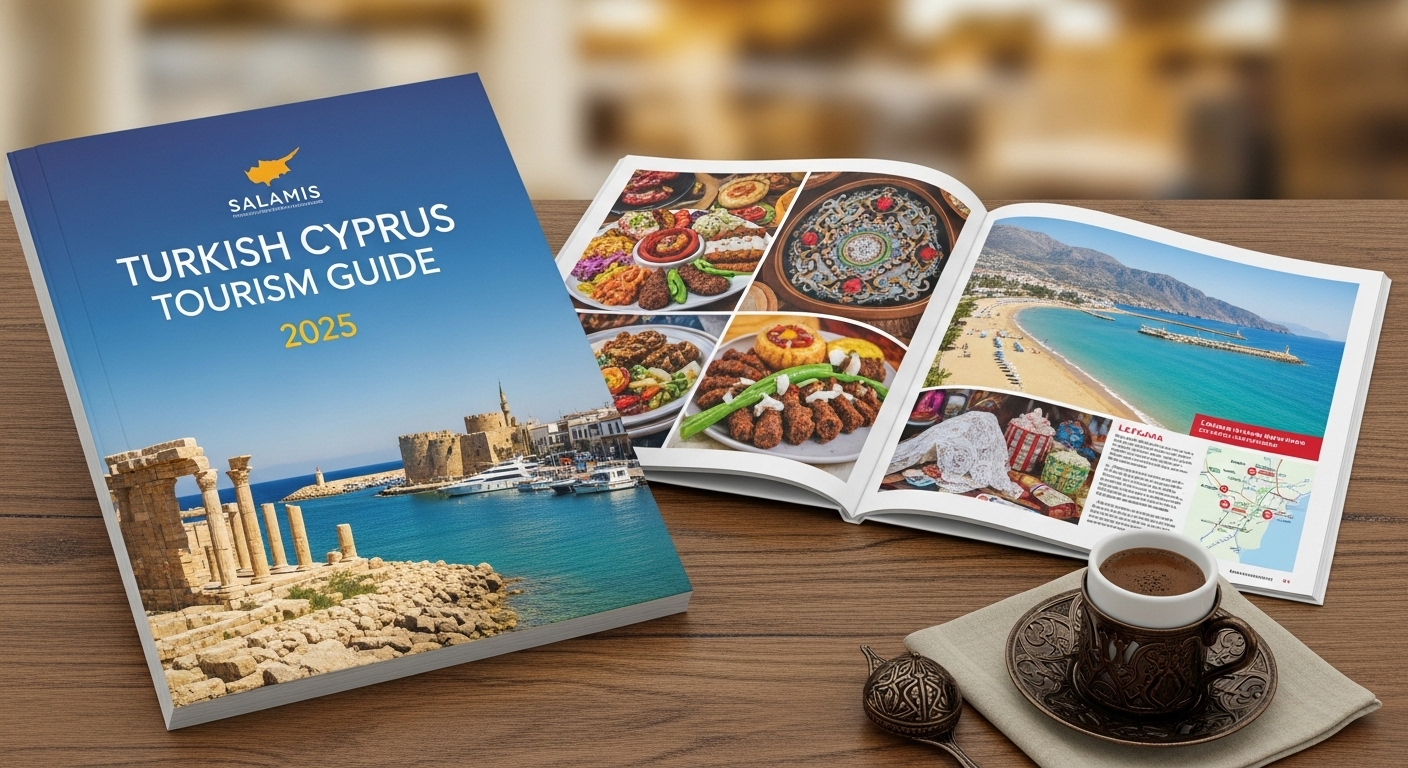
Introduction to Northern Cyprus
A Hidden Gem in the Mediterranean
Tucked away on the northeastern edge of the Mediterranean Sea, Northern Cyprus is one of the last untouched travel paradises in Europe. While often overshadowed by its southern counterpart or more prominent Mediterranean destinations like Greece and Italy, Northern Cyprus stands out with its raw beauty, warm hospitality, rich history, and incredible affordability.
From the rugged mountains of Kyrenia to the golden beaches of the Karpaz Peninsula, Northern Cyprus is a dream for travelers seeking both adventure and serenity. Unlike over-commercialized tourist traps, this region offers a more authentic, unfiltered experience where tradition and modernity meet seamlessly. You’ll find picturesque villages with cobblestone streets, bustling markets, serene coastlines, and ancient ruins—all within short distances.
What truly sets Northern Cyprus apart is its blend of cultures. Influences from the Ottoman Empire, British colonization, and Greek heritage are visible in everything from the architecture to the cuisine. Turkish Cypriots are known for their friendliness, and visitors often speak about the genuine warmth and openness they experience here—something that creates an instant emotional connection to the place.
If you're looking for a travel destination in 2025 that’s off the beaten path but filled with charm, beauty, and cultural depth, Northern Cyprus should be at the top of your list.
Brief History and Cultural Overview
Northern Cyprus has a complex and fascinating history. Officially known as the Turkish Republic of Northern Cyprus (TRNC), it declared independence in 1983, though it is only recognized by Turkey. The region was part of the British Empire until 1960, when Cyprus gained independence. However, tensions between Greek and Turkish Cypriots escalated, culminating in a Turkish intervention in 1974 following a coup supported by the Greek military junta.
Since then, the island has been divided, with Northern Cyprus functioning separately. Despite the political complexities, the region is peaceful and safe for tourists. It’s also incredibly proud of its unique cultural identity, which merges Turkish traditions with Cypriot heritage. This is evident in its festivals, cuisine, and way of life.
Religious diversity is respected, and you’ll see mosques and churches standing side by side. The majority of the population is Muslim, but the society is generally secular. English is widely spoken, especially in urban areas, thanks to the British colonial influence, making it an easy destination for English-speaking travelers.
Whether you're a history buff, a beach lover, or someone just looking to relax in a peaceful Mediterranean haven, Northern Cyprus offers something for everyone.
Why Visit Northern Cyprus in 2025?
Emerging Tourism Trends
2025 is shaping up to be a breakout year for tourism in Northern Cyprus. While it has long been a hidden gem, more and more travelers are beginning to discover its allure, and for good reason. Post-pandemic travel has shifted toward meaningful, slow, and sustainable tourism—three things Northern Cyprus naturally excels at.
Eco-tourism is gaining traction here, with new nature retreats, boutique guesthouses, and conservation projects popping up around the island. There's also a growing interest in cultural tourism. Travelers are no longer satisfied with just lounging on a beach—they want to connect with locals, learn about ancient history, and try authentic foods. Northern Cyprus, with its unspoiled heritage and down-to-earth vibe, provides all that and more.
Another major trend is the rise in digital nomadism. The affordable cost of living, solid internet connectivity, and relaxing Mediterranean lifestyle make Northern Cyprus an appealing base for remote workers looking to escape the hustle of big cities without sacrificing quality of life.
Ideal Travel Conditions in 2025
In 2025, Northern Cyprus is more accessible and welcoming than ever before. New international flights, updated infrastructure, and tourism-friendly policies have made traveling here a breeze. Visa requirements remain lenient for most countries, and you can enter easily through Ercan Airport (via Turkey) or through land border crossings from the Republic of Cyprus.
The political situation remains stable, and travelers are welcomed warmly regardless of nationality. Tourism boards are investing in digital tools to help visitors explore more efficiently—think mobile guides, QR-code tours, and interactive museum experiences. Plus, the local economy is increasingly reliant on tourism, so you'll find excellent service, competitive prices, and high-quality experiences tailored for visitors.
And let's not forget the currency advantage—since Northern Cyprus uses the Turkish Lira, your money goes a lot further here than in Eurozone countries. Whether it’s dining, accommodation, or shopping, you'll get incredible value for what you spend.
Best Time to Visit Northern Cyprus
Seasonal Highlights
Northern Cyprus enjoys a typical Mediterranean climate with long, hot summers and mild winters, making it a year-round destination. However, the best time to visit depends on what kind of experience you're looking for.
Spring (March to May): Arguably the best season to visit. The landscape is lush and green, wildflowers are in bloom, and the weather is warm but not scorching. It's also ideal for hiking, sightseeing, and outdoor activities.
Summer (June to August): Perfect for beach lovers. The days are hot and sunny, with temperatures often reaching 35°C (95°F) or more. Coastal towns like Kyrenia and Famagusta come alive with beach bars, festivals, and water sports.
Autumn (September to November): A close second to spring, autumn offers warm seas, fewer crowds, and pleasant weather. It’s great for both relaxation and exploration.
Winter (December to February): While too chilly for swimming, winter is mild and peaceful. A good time for budget travelers and those interested in cultural tourism without the crowds.
Events and Festivals Calendar
Northern Cyprus has a vibrant events calendar that gives you a deeper taste of the local culture:
Bellapais Music Festival (May-June): Classical music performances in a stunning abbey setting.
Girne Olive Festival (October): Celebrating the olive harvest with food stalls, music, and traditional crafts.
Famagusta Art and Culture Festival (September): A blend of art, music, and theater in historical surroundings.
Lefkoşa Carnival (February): A colorful pre-Lenten celebration with parades, costumes, and live entertainment.
Whether you're chasing the sun, seeking culture, or simply looking to unwind, Northern Cyprus has the perfect season for you.
Top Cities and Regions to Explore
Kyrenia (Girne) – The Jewel of the North
Kyrenia, or Girne as it’s locally known, is the beating heart of Northern Cyprus tourism. With its charming harbor, historic landmarks, and scenic mountain backdrop, it’s no surprise that travelers often fall in love with this coastal city. The harbor is lined with restaurants, cafés, and shops nestled inside old Venetian buildings, making it a perfect place to stroll in the evening while enjoying fresh seafood and a view of moored yachts bobbing gently in the water.
One of Kyrenia’s most iconic attractions is the Kyrenia Castle, a massive fortress that dates back to the 16th century. Inside, you’ll find the Shipwreck Museum, home to one of the oldest recovered shipwrecks in the world. Just walking through the castle’s stone corridors feels like stepping back in time.
Beyond the harbor and castle, Kyrenia is surrounded by quaint villages like Bellapais, famous for its abbey and artistic vibe. The nearby Five Finger Mountains (Beşparmak Dağları) offer hiking trails with panoramic views over the Mediterranean, perfect for nature lovers.
Whether you’re sipping Turkish coffee by the sea or exploring the cobbled backstreets filled with artisan shops and cozy inns, Kyrenia embodies the laid-back, romantic spirit of Northern Cyprus.
Nicosia (Lefkoşa) – The Divided Capital
Lefkoşa is the world’s last divided capital, split between the Republic of Cyprus in the south and Northern Cyprus in the north. This division gives the city a unique geopolitical atmosphere and makes it one of the most intriguing capitals in Europe.
Crossing the Ledra Street border checkpoint is an experience in itself—you move from Greek-Cypriot to Turkish-Cypriot culture within a few meters. On the northern side, you'll find a walled city filled with Ottoman-era architecture, bustling bazaars, and historical mosques like the Selimiye Mosque, which was once a cathedral.
Lefkoşa offers a deeper understanding of Cypriot history, politics, and identity. Visit the Buyuk Han, a beautifully restored Ottoman caravanserai now serving as a cultural hub with cafés, galleries, and crafts. Wander through the Arasta Market to pick up local products like handmade soaps, spices, and textiles.
The capital is also a cultural center, hosting art exhibits, live performances, and modern cafés that contrast its ancient streets. If you’re curious about the island’s complex past and vibrant present, Lefkoşa is a must-see.
Famagusta (Gazimağusa) – Rich in History and Beauty
Famagusta, known locally as Gazimağusa, is a city drenched in history, beauty, and mystery. Once a major medieval port and trade hub, Famagusta is now known for its dramatic ruins, well-preserved city walls, and hauntingly beautiful beaches.
The city’s crown jewel is the walled old town, where Gothic cathedrals, Venetian palaces, and Ottoman mosques stand side by side. The Lala Mustafa Pasha Mosque, formerly St. Nicholas Cathedral, is a stunning example of Gothic-Islamic architecture. Walking through these streets feels like time travel.
But what truly sets Famagusta apart is Varosha—a fenced-off ghost town frozen since 1974. Once a glamorous resort area, it was abandoned during the conflict and recently reopened for limited tourism. Exploring Varosha offers a surreal and sobering look at the island’s troubled history.
On the lighter side, Famagusta is also home to some of the region’s best beaches and cafés. You can swim in crystal-clear waters at Glapsides Beach, then dine on traditional Cypriot fare at seaside taverns.
Karpaz Peninsula – Untouched Nature and Golden Beaches
If you're looking to escape the crowds and dive into untouched beauty, the Karpaz Peninsula is your paradise. This northeastern stretch of land is often referred to as the “Panhandle” of Cyprus, and it's where nature reigns supreme.
The Karpaz is known for its long stretches of golden sand, especially Golden Beach, which many consider the most beautiful beach on the entire island. It’s completely undeveloped, so you won’t find resorts here—just rolling dunes, wild donkeys, and the sound of waves.
Wildlife thrives here, and it’s a nesting ground for endangered sea turtles. The region also boasts small, authentic villages like Dipkarpaz, where time seems to stand still. Don’t miss the Apostolos Andreas Monastery, perched dramatically at the tip of the peninsula and revered by both Greek and Turkish Cypriots.
Traveling to Karpaz feels like uncovering a secret. There are few places left in the Mediterranean that feel this remote and pristine. For spiritual reflection, nature hikes, and absolute tranquility, this region is unmatched.
Top Attractions in Northern Cyprus
Bellapais Abbey
Bellapais Abbey is one of the most iconic and atmospheric sites in Northern Cyprus. Nestled on a hillside just above Kyrenia, this 13th-century monastery offers a peaceful retreat with breathtaking views of the sea and city below.
Built by Augustinian monks, the abbey is a masterpiece of Gothic architecture. Wandering through its graceful arches, cloisters, and stone halls, you can almost hear the chants of monks echoing through time. The site is incredibly photogenic, especially during sunset when golden light pours over the crumbling stone.
Today, Bellapais is also a cultural venue. It hosts classical music concerts and literary events throughout the year, including the Bellapais Music Festival. Whether you're a history buff, a photographer, or just someone who enjoys peace and beauty, this abbey is a must-see.
St. Hilarion Castle
Perched high in the mountains above Kyrenia, St. Hilarion Castle looks like something out of a fairy tale—and for good reason. It’s said to have inspired Walt Disney’s design for the Sleeping Beauty Castle.
Originally built as a monastery in the 10th century, it was later fortified during the Crusades. The castle consists of three levels, each offering different architectural features and increasingly stunning views as you climb higher.
Exploring the ruins is a bit of a workout, but every stone staircase and lookout point is worth the effort. You’ll be rewarded with panoramic views of the coastline, the mountains, and the city of Kyrenia below.
It’s the perfect spot for a day hike, a history lesson, and some epic photography.
Salamis Ruins
Located near Famagusta, Salamis is a vast archaeological site that once served as the ancient capital of Cyprus. Founded around the 11th century BC, Salamis offers a glimpse into the island’s rich Greco-Roman past.
The site features stunning Roman baths, mosaics, an amphitheater, and columns that have withstood centuries of natural wear. It’s easy to spend several hours here imagining life in a once-thriving port city.
Unlike many other ancient ruins around the Mediterranean, Salamis is relatively uncrowded, giving you the chance to explore at your own pace. History lovers will be captivated by its scale and detail.
Golden Beach
Golden Beach, located in the Karpaz Peninsula, is arguably the most beautiful and untouched beach in Cyprus. Stretching for miles with soft, golden sand and crystal-clear waters, it’s the kind of place that makes you forget about time.
There are no high-rise hotels or beach clubs here—just nature. It’s a favorite nesting site for sea turtles, and if you visit during the right season, you might witness hatchlings making their first journey to the sea.
Golden Beach is perfect for swimming, sunbathing, and camping under the stars. Its remote location means it’s rarely crowded, offering a true escape from the busy world.
Beaches of Northern Cyprus
Top 5 Must-Visit Beaches
Northern Cyprus is home to some of the most serene and untouched beaches in the Mediterranean. Whether you’re a sun-seeker, a swimmer, or just someone who loves a good beach walk, the north of the island offers a variety of stunning spots. Here are the top 5 beaches you shouldn't miss in 2025:
Golden Beach (Karpaz Peninsula) – As mentioned earlier, this is the crown jewel. Its vast shoreline and natural beauty make it ideal for campers and nature lovers.
Escape Beach (Alsancak) – A popular, well-developed beach near Kyrenia. It’s perfect for water sports, beach bars, and family-friendly vibes.
Alagadi (Turtle Beach) – Famous for its nesting loggerhead and green turtles. Visitors can witness turtle hatchings with local conservation groups.
Glapsides Beach (Famagusta) – A long, sandy stretch near the city, ideal for swimming, jet skiing, and beach volleyball.
Silver Beach (Near Salamis) – A quiet, calm beach near the ancient ruins, perfect for couples and those seeking peaceful relaxation.
Each of these beaches offers a different experience—whether it’s wild nature or modern amenities, you’ll find your perfect beach day in Northern Cyprus.
Hidden Coves and Local Favorites
Beyond the main beaches, Northern Cyprus hides dozens of secret coves and smaller local spots that offer a more intimate connection with the sea. Some of these include:
Kervansaray Beach – A small but scenic cove ideal for snorkeling and watching the sunset.
Acapulco Beach – Part of a resort but accessible for day visitors, known for its clean, soft sand and calm waters.
Ayios Philon Beach (Karpaz) – A secluded beach near a ruined church, great for off-the-beaten-path adventurers.
These hidden gems are often frequented by locals, meaning fewer crowds and more authentic experiences. If you rent a car, take time to explore the coastline—you never know when you’ll stumble upon a private slice of paradise.
Adventure and Outdoor Activities
Hiking and Nature Trails
Northern Cyprus is a dream destination for outdoor enthusiasts. The landscape is incredibly diverse, ranging from rugged mountain peaks to lush forests and coastal trails. Whether you’re a serious trekker or a casual hiker, there’s a trail for you.
Kyrenia Mountain Trail (Beşparmak Trail): This trail runs along the Five Finger Mountains and offers breathtaking views of the coastline and villages. It’s one of the best long-distance trails in Cyprus.
Kantara Castle Hike: A moderately challenging hike with a historical payoff—the ruins of Kantara Castle offer panoramic views that stretch all the way to Turkey on a clear day.
Alevkaya Forest: Located in the heart of the Kyrenia mountain range, it’s a great spot for nature walks, birdwatching, and family picnics.
During spring and autumn, hiking is especially enjoyable with cooler weather and blooming wildflowers. Make sure to carry water, sun protection, and a good camera—the views are worth capturing.
Water Sports and Diving
Surrounded by the Mediterranean Sea, Northern Cyprus is an excellent place for water sports. Whether you're into high-adrenaline action or relaxing underwater exploration, you’ll find plenty of options:
Scuba Diving: The coastlines near Kyrenia and Famagusta offer fantastic dive sites with wrecks, caves, and rich marine life. Dive schools cater to all levels.
Snorkeling: Many beaches have crystal-clear waters and rocky reefs teeming with fish.
Jet Skiing and Parasailing: Available at major beaches like Escape Beach and Glapsides.
Windsurfing and Paddleboarding: Calm bays make these activities safe and fun for beginners.
Local tour operators often offer packages combining adventure sports with transport and meals, making it easy to book a full-day outdoor excursion.
Food and Culinary Experience
Traditional Turkish Cypriot Dishes
The food scene in Northern Cyprus is an unforgettable part of the journey. Influenced by Turkish, Greek, and Middle Eastern cuisines, traditional Cypriot food is hearty, flavorful, and made with fresh, local ingredients.
Some must-try dishes include:
Kebabs (Şiş Kebap): Grilled meats, usually lamb or chicken, marinated and skewered.
Meze: A variety of small dishes served as appetizers—think hummus, tzatziki, halloumi, olives, and stuffed vine leaves.
Molehiya: A stew made from jute leaves, cooked with chicken or lamb and served with rice.
Hellim (Halloumi Cheese): Served grilled or fresh, it’s a Cypriot classic.
Lahmacun and Pide: Turkish-style flatbreads topped with minced meat or cheese.
Don’t forget dessert! Baklava, kadayif, and lokma (fried dough balls) are local favorites, often served with sweet tea or strong Turkish coffee.
Best Local Restaurants in 2025
As Northern Cyprus continues to grow in popularity, its food scene is also evolving. In 2025, here are some top spots to explore:
Niazi’s (Kyrenia): Famous for its full kebab feast.
Patina (Lefkoşa): A cozy spot mixing traditional and modern Cypriot flavors.
Aspava (Famagusta): Family-owned with a great selection of meze and grills.
Yorgo Restaurant (Karpaz): A seaside gem serving fresh fish and local wines.
Local restaurants often use seasonal ingredients and offer generous portions. Prices are affordable, and service is warm and welcoming.
Accommodation Guide
Luxury Hotels and Resorts
In 2025, Northern Cyprus offers a growing range of luxury accommodations that cater to travelers seeking comfort, elegance, and top-notch service. Here are some standout options:
The Arkin Colony Hotel (Kyrenia): A 5-star hotel with a rooftop pool, spa, and casino. Perfect for a luxurious city break.
Kaya Artemis Resort (Bafra): Styled like an ancient temple, this resort features everything from fine dining to a private beach.
Limak Cyprus Deluxe Hotel (Iskele): A beachfront property with modern amenities, pools, and water parks—great for families and couples alike.
These resorts often offer all-inclusive packages that include meals, activities, and spa access, giving you a worry-free vacation.
Budget-Friendly Options
Not every traveler is looking for luxury—and luckily, Northern Cyprus excels at providing great value accommodations. Whether you're a backpacker, a digital nomad, or a budget-conscious traveler, you’ll find plenty of comfortable places to stay.
Dorana Hotel (Kyrenia): Affordable, clean, and central.
Altun Tabya Hotel (Famagusta): A charming family-run place with traditional décor.
Karpaz Guesthouses: Many small villages in the Karpaz offer simple yet cozy guesthouses, often run by local families.
Staying in guesthouses and smaller hotels also gives you the chance to experience authentic Cypriot hospitality.
Transportation and Getting Around
Renting a Car in Northern Cyprus
To fully explore Northern Cyprus, renting a car is highly recommended. The region is rich in natural beauty, scattered historical sites, and remote villages that public transport doesn’t always reach. Driving gives you the freedom to stop at scenic viewpoints, discover hidden beaches, and explore at your own pace.
Car rentals are affordable, with prices starting as low as €20–30 per day. Most rental agencies are located in major cities like Kyrenia and Nicosia, as well as at Ercan Airport. Make sure to bring an international driver’s license and always drive on the left side, a legacy of British rule.
Roads are generally in good condition, and signage is available in both Turkish and English. Just be cautious of narrow village roads and occasional livestock crossings in rural areas.
Public Transport and Taxis
If you’re not driving, there are still ways to get around:
Minibuses (Dolmuş): These shared vans connect most towns and are incredibly cheap, though they can be slow and infrequent.
Buses: Operate between major cities like Kyrenia, Nicosia, and Famagusta.
Taxis: Widely available but can be expensive for long trips. Always agree on the price beforehand, as meters are not always used.
For short city stays, walking and taxis work well. But for full exploration, nothing beats a rented car.
Travel Tips for 2025
Currency, Language, and Safety
Currency: The official currency is the Turkish Lira (TRY), although euros and British pounds are accepted in many places. ATMs are widespread.
Language: Turkish is the official language, but English is widely spoken, especially in tourist areas.
Safety: Northern Cyprus is extremely safe for travelers. Crime is low, and locals are known for their hospitality. Solo travelers, including women, report feeling comfortable exploring day and night.
Visa and Entry Requirements
Citizens of most countries can enter Northern Cyprus without a visa for stays up to 90 days. If flying into Ercan Airport, you'll transit through Turkey. Alternatively, you can fly into Larnaca or Paphos in the south and cross by land.
Passports are required, and there’s no exit stamp upon departure to avoid issues with the Republic of Cyprus. Always double-check requirements based on your nationality before travel.
Shopping in Northern Cyprus
Local Markets and Handicrafts
Shopping in Northern Cyprus is a delightful cultural experience. Traditional bazaars and weekly markets are full of handcrafted goods, local foods, and artisan products. Some items to look for include:
Lefkara Lace: Intricately hand-embroidered textiles, often passed down for generations.
Olive Oil Products: Soaps, oils, and cosmetics made from local olives.
Ceramics and Pottery: Hand-painted in traditional Cypriot patterns.
Spices and Herbal Teas: Sold in vibrant markets and excellent as gifts.
The best places to explore include Kyrenia Old Bazaar, Nicosia Arasta Market, and Famagusta’s Walled City shops.
Modern Shopping Centers
For those who prefer a modern experience, Northern Cyprus offers several malls and boutique centers:
City Mall (Famagusta): The largest shopping center in the region with global brands, cinemas, and restaurants.
Lemar Shopping Center: Located in major towns, offering groceries, fashion, electronics, and home goods.
Whether you’re bargaining in a bazaar or strolling through a modern mall, you’ll find shopping here to be both fun and affordable.
Nightlife and Entertainment
Best Bars and Clubs
The nightlife in Northern Cyprus is vibrant, especially in cities like Kyrenia and Nicosia. Here are some of the top spots to experience the night:
Escape Beach Club: Beachfront parties, live DJs, and a young crowd.
Cage Club (Kyrenia): Trendy club with themed nights and international music.
La Reina (Nicosia): Stylish venue with cocktails and live performances.
Bars typically stay open until 2–3 AM, and dress codes are relaxed but stylish.
Live Music and Cultural Shows
For a more laid-back evening, enjoy:
Live Turkish music at local taverns.
Traditional dance performances during festivals or hotel events.
Theater and concerts at cultural venues like the Bellapais Abbey or Nicosia’s Atatürk Cultural Center.
Northern Cyprus offers both party vibes and cultural enrichment—whatever your style, you’ll find it here.
Cultural Etiquette and Local Customs
Do’s and Don’ts
Respecting local customs ensures a smoother, more enriching travel experience:
Do:
Greet people with a smile and handshake.
Dress modestly when visiting mosques or churches.
Show appreciation for local food and hospitality.
Don’t:
Discuss politics, especially regarding Cyprus reunification.
Photograph military zones or checkpoints.
Refuse tea—it's a symbol of hospitality!
Respecting Local Traditions
Turkish Cypriots are warm and welcoming, and they appreciate when visitors respect their traditions. Participate in local events, try speaking a few Turkish phrases, and show interest in their way of life. You’ll be rewarded with unforgettable hospitality.
Sustainable Tourism in Northern Cyprus
Eco-Friendly Travel Tips
As tourism grows, preserving Northern Cyprus’s pristine beauty is essential. Here’s how you can help:
Bring reusable bottles and bags.
Stay at eco-lodges or local guesthouses.
Avoid single-use plastics.
Respect wildlife and natural sites—especially turtle nesting beaches.
Supporting Local Communities
Support small businesses by eating at family-run restaurants, buying handmade crafts, and staying in village accommodations. This not only gives you a more authentic experience but also directly benefits the local economy.
Responsible tourism ensures Northern Cyprus remains unspoiled for future generations.
Conclusion
Northern Cyprus is no longer a secret—it’s one of Europe’s last remaining hidden treasures waiting to be explored. With its sun-kissed beaches, ancient ruins, vibrant towns, and heartwarming hospitality, it offers something truly special. In 2025, with modern conveniences catching up to its natural and cultural wealth, there's no better time to visit.
Whether you're hiking to mountaintop castles, savoring grilled halloumi by the sea, or simply watching the sunset over a forgotten beach, Northern Cyprus promises not just a vacation—but an experience you’ll carry forever.
FAQs
1. Is Northern Cyprus safe for tourists in 2025?
Yes, Northern Cyprus is considered very safe. Crime is low, and locals are friendly and helpful. Solo travelers, including women, feel secure both day and night.
2. Can I use euros in Northern Cyprus?
While the Turkish Lira is the official currency, euros and British pounds are widely accepted, especially in tourist areas.
3. Do I need a visa to enter Northern Cyprus?
Most nationalities can enter without a visa for stays up to 90 days. Check with your country’s travel advisory for the latest requirements.
4. What language is spoken in Northern Cyprus?
Turkish is the official language, but English is commonly spoken, especially in hospitality and tourism.
5. What’s the best way to explore Northern Cyprus?
Renting a car is the best option for flexibility. Public transport exists but doesn’t cover remote areas or beaches well.
Have Question Or Suggestion ?
Please Share Your Thought, To Make It Real