Best Turkish Islands to Visit
Discover the most beautiful Turkish islands to visit, from Bozcaada to Akdamar. Explore hidden beaches, local cuisine, and authentic culture.
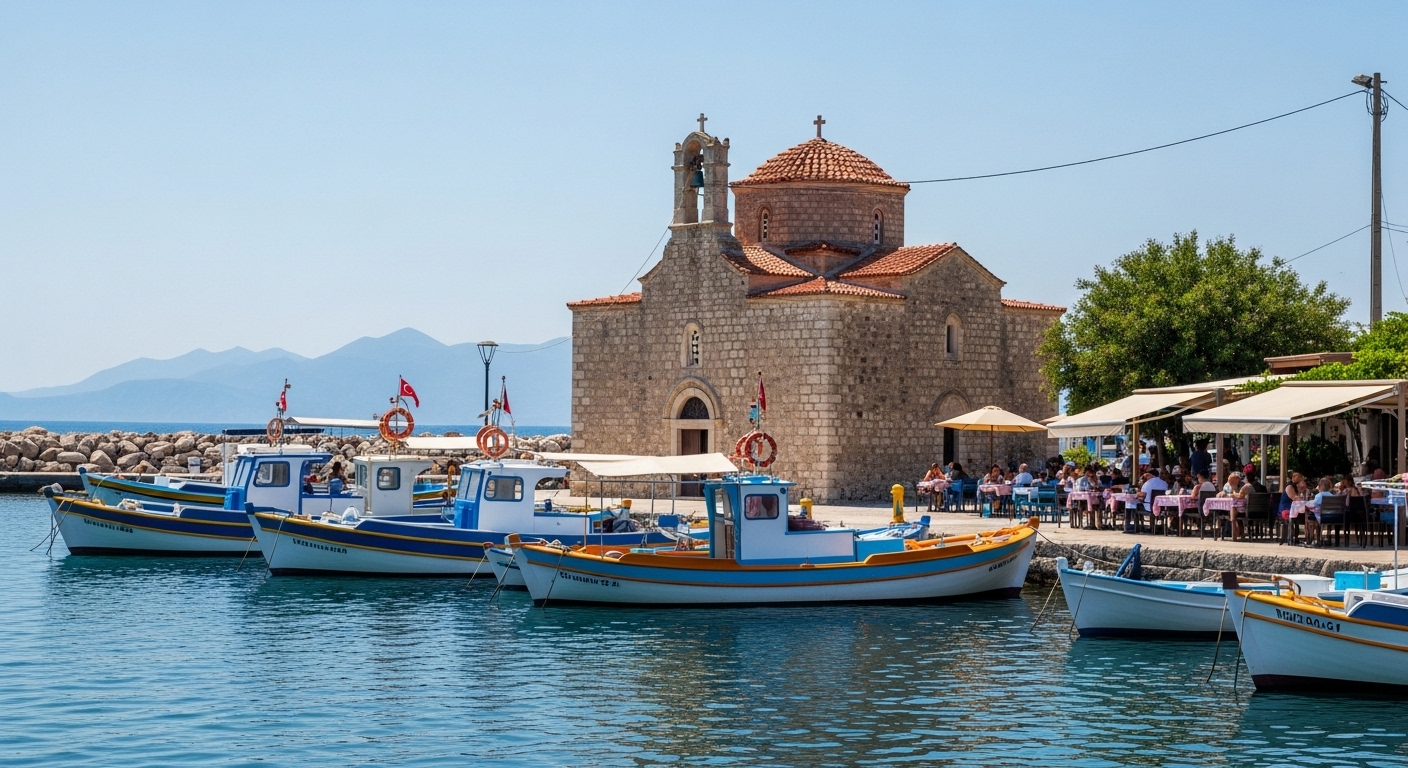
Best Turkish Islands to Visit
Introduction to Turkey’s Island Paradise
Why Visit Turkish Islands?
When people think of Turkey, they often imagine the bustling bazaars of Istanbul, the ancient ruins of Ephesus, or the fairy chimneys of Cappadocia. But there’s another side to this diverse country that’s often overlooked — its islands. Dotted across the Aegean and Mediterranean seas, Turkey’s islands offer an enchanting mix of pristine beaches, charming villages, vibrant culture, and mouthwatering cuisine.
Each island has its own unique personality. Some are perfect for history buffs who want to explore ruins and forgotten cities. Others are paradise for beach lovers, foodies, or adventurers looking for windsurfing or kayaking opportunities. And let’s not forget the appeal of simply relaxing in a laid-back setting, watching the sunset with a glass of Turkish wine in hand.
What sets these islands apart from other Mediterranean destinations is their authenticity. Most remain untouched by mass tourism, preserving their local charm and traditions. Whether you're into luxury resorts or rustic getaways, you’ll find your ideal escape among Turkey’s island gems.
How to Get There – Travel Tips
Traveling to Turkish islands is easier than you might think. Many are accessible via short ferry rides from mainland cities such as Istanbul, Çanakkale, Ayvalık, or Bodrum. Others require a bit more planning, with transfers through regional airports or boat tours, but the effort is well worth it.
Here are some quick tips:
Domestic Flights: Turkey’s domestic air network is extensive and affordable. Cities like Izmir, Bodrum, and Dalaman serve as great starting points.
Ferries: Major cities offer frequent ferry services to popular islands like Büyükada, Bozcaada, and Gökçeada. During summer, the schedules are more regular and varied.
Best Time to Visit: Late spring (May–June) and early autumn (September–October) are ideal. The weather is still gorgeous, and the crowds are fewer.
Now let’s dive into the best Turkish islands to visit!
1. Bozcaada – The Aegean's Hidden Gem
Charming Streets and Greek Architecture
Bozcaada, also known by its ancient Greek name Tenedos, is a picturesque island located off the coast of Çanakkale. It’s one of those rare destinations where time seems to slow down. As you stroll through its cobblestone streets, lined with whitewashed houses and vibrant bougainvillea, you’ll immediately sense its Aegean soul.
This island is steeped in Greek and Turkish history, and its architecture reflects a harmonious blend of both. You’ll find quaint Orthodox churches nestled beside Ottoman-era buildings. The island center is alive with cozy cafés, artisan shops, and family-run taverns that serve up fresh seafood and local wines.
Bozcaada Castle, perched by the harbor, is a must-see. The views from the top are breathtaking, especially at sunset. Wander around the castle grounds and imagine the centuries of history that have passed through its walls.
Wine Culture and Vineyards
Bozcaada is also famous for its wine culture — in fact, it’s one of Turkey’s premier wine-producing islands. The island’s dry climate and mineral-rich soil create the perfect conditions for grape cultivation. Local vineyards like Corvus, Talay, and Amadeus welcome visitors for tours and tastings.
A trip to Bozcaada isn't complete without sipping a glass of Vasilaki or Karalahna wine while enjoying sea views. The annual wine harvest festival in September is a fun, community-driven event filled with music, dancing, and of course, plenty of wine.
Beaches and Water Sports
When it comes to beaches, Bozcaada doesn’t disappoint. Ayazma Beach is perhaps the most popular, known for its fine sand and crystal-clear water. It’s well-equipped with sunbeds, umbrellas, and beach cafés. For something quieter, head to Habbele or Sulubahçe — both are great for snorkeling and swimming.
Adventurous types can also enjoy kayaking, paddleboarding, or diving. The water around Bozcaada is teeming with marine life and visibility is excellent, making it a great spot for underwater exploration.
2. Gökçeada – Turkey’s Largest Island
Traditional Villages and Slow Living
Gökçeada is the largest of Turkey’s islands and one of the most serene. Located at the entrance of the Gulf of Saros in the Aegean Sea, it’s a peaceful retreat far from the chaos of modern life. If you’re looking to unplug, this is the place.
The island is dotted with stone villages such as Zeytinliköy, Tepeköy, and Dereköy, where time truly seems to stand still. These villages, some still home to small Greek communities, feature narrow lanes, old stone houses, and friendly locals. Walking through them feels like stepping into a different era.
The pace here is slow, the air is fresh, and everything from the olives to the honey is locally made. You’ll find yourself embracing the island lifestyle without even trying.
Organic Farming and Eco-Tourism
One of Gökçeada’s standout features is its commitment to organic farming and sustainability. It’s officially designated as a “Cittaslow” town — part of a global movement promoting slow living and sustainable tourism.
Local farms offer fresh produce, homemade cheeses, and olive oil. Many guesthouses and boutique hotels on the island support eco-tourism initiatives, from using solar power to offering farm-to-table meals. This makes Gökçeada a fantastic option for conscious travelers.
Windsurfing Paradise at Aydıncık Beach
For thrill-seekers, Gökçeada offers one of the best windsurfing spots in Turkey: Aydıncık Beach. Thanks to steady winds and shallow waters, it’s ideal for both beginners and pros. Several surf schools operate here, offering lessons and gear rentals.
When you’re done surfing, stick around for a beachside meal at one of the relaxed cafés nearby. The sunsets over the water here are spectacular — a perfect end to an adventurous day.
3. Büyükada (Princes’ Islands) – A Step Back in Time
No Cars, Just Bicycles and Carriages
Büyükada, the largest of the Princes’ Islands in the Sea of Marmara, is like stepping into a time capsule. One of its most enchanting features? Motor vehicles are banned. Instead, the island is best explored by bicycle or electric mini-bus (replacing the once-famous horse-drawn carriages). This absence of cars creates an atmosphere of calm that’s rare to find so close to a megacity like Istanbul.
Imagine pedaling through tree-lined streets, past pastel-colored mansions with ornate balconies, and listening to nothing but the rustling of leaves and chirping birds. That’s the charm of Büyükada. It’s a place where you can slow down, breathe in the fresh sea air, and truly disconnect.
Cycling around the island’s hilly terrain is an adventure in itself. Rent a bike from the harbor, grab a map, and follow the scenic route around the island. Stop at viewpoints like Aya Yorgi Hill, where the panoramic views of the Marmara Sea and Istanbul’s skyline will leave you speechless.
Historic Mansions and Monasteries
Büyükada isn’t just about natural beauty — it’s steeped in history. The island served as a place of exile during the Byzantine and Ottoman periods, and remnants of those times still remain. Wander through the backstreets and you’ll discover majestic wooden mansions that were once summer homes for Istanbul’s wealthy elites, including Ottoman pashas and Greek merchants.
One must-visit site is the Aya Yorgi Church and Monastery, perched atop the island’s highest point. The hike up can be a bit steep, but the reward is well worth it — breathtaking views and a deeply spiritual atmosphere. The church is a popular pilgrimage site on April 23rd and September 24th, when visitors tie pieces of cloth to trees and pray for their wishes to come true.
A Day Trip from Istanbul
Perhaps the best part about Büyükada is how easy it is to reach. Ferries run daily from several piers in Istanbul (Kadıköy, Eminönü, Bostancı), with the journey taking between 45 minutes to 1.5 hours depending on your starting point and ferry type.
It’s an ideal day trip for travelers based in Istanbul. Arrive in the morning, rent a bike, explore, eat fresh seafood at a waterfront restaurant, and catch a sunset ferry back to the city. It’s the perfect blend of adventure, culture, and relaxation — all in one island.
4. Cunda Island – Culinary and Cultural Heaven
Olive Groves and Seafood Delights
Cunda Island, also known as Alibey Island, is a small but vibrant island off the coast of Ayvalık in the North Aegean. This island is a paradise for foodies. From the moment you step onto its cobbled streets, you’ll be greeted by the scent of grilling seafood, fresh herbs, and warm bread.
Cunda is renowned for its olive oil production — no surprise, considering the endless olive groves that surround the island. Local restaurants pride themselves on their meze spreads, featuring dishes like stuffed zucchini flowers, grilled octopus, eggplant salad, and calamari — all drizzled with the golden nectar that is local olive oil.
Don't miss the chance to dine at seaside taverns while watching fishermen bring in the day's catch. Whether it’s a romantic dinner or a laid-back lunch, every meal here is a celebration of Aegean flavors.
Neo-Classical Architecture and Churches
Cunda’s architectural charm is equally captivating. As you wander through the island’s narrow alleys, you’ll notice a beautiful blend of Greek and Turkish architectural styles. Many of the buildings date back to the 19th century and have been lovingly restored into boutique hotels, galleries, or cafés.
A highlight is the Taksiyarhis Church, now converted into the Rahmi Koç Museum. The church’s high ceilings, marble columns, and frescoes provide a glimpse into the island’s multi-cultural past. It’s a peaceful place to reflect and soak in some history before continuing your journey.
Local Artisans and Boutique Hotels
Cunda is also a haven for creatives and artisans. You’ll find local artists selling hand-painted ceramics, homemade jams, natural soaps, and unique jewelry. These make for meaningful souvenirs and support the island’s economy.
Accommodation-wise, Cunda offers a range of boutique hotels and guesthouses — each with its own charm. Think old stone buildings with vine-covered terraces, homemade breakfasts, and warm hospitality. If you’re after a more intimate, authentic stay away from tourist traps, Cunda is your go-to island.
5. Kekova – The Sunken City Experience
Kayaking Over Ancient Ruins
Kekova is not your typical island — it's a semi-submerged marvel located near the town of Demre in Antalya. What makes it extraordinary is the sunken city that lies beneath its waters, the remains of the ancient Lycian city of Simena, which was partially submerged after a series of earthquakes during the 2nd century.
The best way to explore this underwater archaeological site? By kayak. Glide over the crystal-clear turquoise waters and gaze down at submerged staircases, walls, and house foundations — a surreal experience that feels like paddling through a forgotten world. Kayaking tours are widely available and suitable for beginners. Most guides are knowledgeable and share fascinating stories about Lycian life and the earthquakes that changed the region forever.
Simena Castle and Lycian Tombs
Directly across from Kekova Island lies the charming village of Kaleköy, home to the impressive Simena Castle. A short uphill climb takes you to the top of the fortress, originally built by the Byzantines. The panoramic views over Kekova Bay are among the best in all of Turkey.
While in Kaleköy, you’ll also encounter several Lycian rock tombs — some of which are partially submerged in the water. The juxtaposition of ancient ruins, clear waters, and quaint village life is what makes this area truly unique.
Since Kaleköy is only accessible by boat, the entire experience feels more exclusive and adventurous. Many visitors opt for a gulet (Turkish wooden boat) cruise that includes a stop at Kekova — perfect for those wanting a multi-island journey with some luxury thrown in.
Off-the-Beaten-Path Exploration
Kekova remains blissfully off the tourist radar, making it ideal for travelers looking for a quieter, more immersive adventure. You won’t find any big resorts or flashy nightlife here — just nature, history, and a sense of wonder.
Stay in nearby villages like Üçağız or Kaş for easy access to the island and more lodging options. Local pensions and small hotels in these areas offer a warm welcome, often with home-cooked meals and cozy sea views.
Whether you’re a history nerd, nature lover, or kayaking enthusiast, Kekova promises an unforgettable journey.
6. Sedir Island (Cleopatra Island) – A Romantic Escape
The Myth of Cleopatra’s Golden Sands
Sedir Island, often dubbed Cleopatra Island, is wrapped in legend and allure. Located in the Gulf of Gökova near Marmaris, this tiny but enchanting island is said to have been a gift from Mark Antony to Cleopatra. The legend goes that Cleopatra refused to set foot on any land other than Egyptian soil, so Antony had ships bring white sand from Egypt just for her — and that very sand still lies here today.
The sand is not only beautiful but scientifically unique. Each grain is spherical and glistens like tiny pearls under the sun. Due to its rarity, the beach is now under strict environmental protection — visitors are not allowed to take sand with them, and guards ensure the preservation of the beach.
Whether or not you believe the romantic tale, there’s no denying that the island has a mystical aura. It’s a popular spot for couples, honeymooners, and anyone seeking a picturesque, romantic escape.
Crystal Clear Water and Ruins
Beyond its golden sands, Sedir Island offers crystal-clear turquoise waters that are perfect for swimming and snorkeling. The water is so transparent that you can see the sea floor even at several meters deep. Swimming here feels like gliding through liquid glass.
But the island isn’t just about beauty — it’s also home to ancient ruins from the city of Cedrae. You can explore remnants of a Roman amphitheater, city walls, and stone houses. These historical touches add depth to the island experience, making it more than just a beach destination.
Walking among the ruins, with the sea breeze in your hair and stunning views all around, gives you a profound appreciation for the layers of history that lie beneath this scenic spot.
Day Trips from Marmaris
Sedir Island is most commonly accessed via boat trips from Marmaris or the village of Çamlı. These tours often include swimming stops in the surrounding bays and lunch on board, making for a full-day experience that combines leisure, history, and natural beauty.
Because the island is small, a few hours are enough to see its highlights. This makes it an ideal inclusion in any Marmaris itinerary. Don’t forget your snorkeling gear, sunscreen, and camera — this place is pure Instagram gold.
7. Marmara Island – Untouched Beauty in the Sea of Marmara
Marble Quarries and History
Marmara Island, located in the Sea of Marmara, is one of Turkey’s lesser-known island gems, despite being historically significant. In fact, the very name “Marmara” comes from the word “marmaron”, meaning marble in Greek — a nod to the island’s rich marble quarries that have been in use since ancient times.
The white marble from Marmara Island was famously used in the construction of important landmarks, including parts of Hagia Sophia in Istanbul. Even today, the marble quarries remain active, and you can visit sites where massive blocks are extracted and carved — a unique cultural experience you won’t find on most islands.
History lovers can also explore ancient ruins, Ottoman structures, and traditional Turkish houses that dot the island’s interior villages. The combination of natural resources and cultural heritage makes Marmara Island a fascinating place to explore.
Fishing Villages and Local Cuisine
Marmara Island is not built for mass tourism, and that’s precisely what makes it so appealing. The island is home to several charming fishing villages such as Saraylar, Gündoğdu, and Çınarlı, each offering an authentic glimpse into island life.
Here, you can watch fishermen bring in the morning catch, chat with locals at small teahouses, or enjoy traditional Turkish breakfasts overlooking the sea. The local cuisine emphasizes simplicity and freshness — think grilled fish, seasonal vegetables, homemade bread, and, of course, dishes featuring olive oil.
Restaurants are family-owned and affordable, providing that warm, homey touch that chain establishments can’t replicate. You won’t find glitzy beach clubs or overpriced cafes here — just honest, delicious food and a peaceful vibe.
Peaceful Beaches Away from Crowds
If solitude is your goal, Marmara Island delivers in spades. Unlike the bustling resort beaches of southern Turkey, the beaches here are largely uncrowded and uncommercialized. Some of the best include Aba Beach, Topağaç Beach, and Manastır Bay, each offering clean waters and pebbled shores ideal for a quiet swim or sunbathing session.
Bring a picnic, a good book, and your swimwear, and you’ve got yourself a perfect low-key beach day. Most of the beaches are accessible by walking or local transport, and some are tucked away in coves, offering a private paradise feel.
Marmara Island is best suited for travelers seeking authenticity, history, and a break from the noise. It’s an underrated escape that deserves a spot on your travel list.
8. Avşa Island – Lively and Youthful
Beach Parties and Nightlife
Avşa Island, also located in the Sea of Marmara, offers a totally different vibe from its neighboring islands — it's youthful, energetic, and perfect for those who love a mix of beach life and nightlife. Just a few hours by ferry from Istanbul, it’s a favorite weekend escape for locals looking to unwind and party.
By day, Avşa is all about the beach. Golden sands stretch along the coastline, with popular spots like Yiğitler Beach, Karadut Beach, and Avşa Central Beach drawing crowds looking to swim, tan, and play beach games. Come evening, the island comes alive with beach bars, live music, and open-air discos that keep the energy buzzing into the early morning.
If you’re looking for a beach party destination without the hefty price tag of Bodrum or Çeşme, Avşa offers a fantastic alternative with just as much fun.
Budget-Friendly Resorts and Eateries
One of Avşa Island’s biggest draws is its affordability. It’s one of the most budget-friendly islands in Turkey, with a wide range of cheap hotels, motels, and pensions that cater to all types of travelers, especially students and young families.
Local eateries serve up hearty Turkish meals at incredibly low prices. From döner shops to seaside fish restaurants, you’ll eat well without breaking the bank. Most places offer set menus that include soup, a main dish, rice or pasta, and dessert — all for a fraction of what you’d pay in mainland cities.
This affordability makes Avşa ideal for spontaneous trips or last-minute getaways. You don’t need to plan months in advance; just grab a ferry ticket and go.
Weekend Getaway from Istanbul
Avşa’s proximity to Istanbul is another huge plus. Ferries from Yenikapı or Bostancı take between 3 to 4 hours, and operate more frequently during the summer months. This makes Avşa a popular weekend getaway for city dwellers looking for sun and sea.
While it gets crowded during peak season, especially on weekends, the island still manages to maintain a laid-back beach-town charm. You’ll find street vendors selling fresh fruit, musicians playing by the promenade, and locals welcoming visitors with open arms.
For a quick, vibrant, and affordable island escape, Avşa ticks all the boxes.
9. Tenedos (Bozcaada’s Lesser-Known Twin)
Authentic Turkish-Greek Culture Blend
Often overshadowed by its more popular twin, Bozcaada, Tenedos (also an ancient name for Bozcaada, though sometimes used interchangeably or to refer to its historical essence) offers a glimpse into a world where Turkish and Greek cultures have coexisted for centuries. This island’s unique cultural makeup is one of its greatest treasures.
Wander through neighborhoods where Orthodox churches stand peacefully alongside mosques, and you’ll see how history has shaped the island’s character. The Greek influence is especially visible in the island’s cuisine, music, and architecture. Whitewashed homes with blue shutters, narrow alleys scented with jasmine, and tavernas that serve both raki and ouzo define this harmonious blend.
What makes Tenedos so special is its authenticity. Tourism hasn’t yet overrun the island, which means you’re more likely to have a conversation with a fisherman than a hotel concierge. The locals are incredibly hospitable and take pride in their rich, shared heritage.
Secluded Coves and Tranquility
Tenedos is the kind of place where you come to do… absolutely nothing — and that’s the magic of it. The island is full of hidden coves and quiet beaches where you can escape the world. Unlike popular tourist spots, here you’ll often find yourself alone with the sound of waves and the wind rustling through olive trees.
One of the best ways to explore the island is by renting a scooter or bike. Ride through olive groves, discover unmarked paths, and stumble upon secluded shores. Pack a picnic, bring a book, and just let time pass — slowly.
The beaches are often pebbly, but the waters are clear, calm, and perfect for swimming or snorkeling. For a true escape, visit in the shoulder seasons (May–June or September), when the weather is still warm but the crowds are non-existent.
Local Legends and Mythology
Tenedos has its share of myths, most famously mentioned in Homer’s Iliad. The island played a role in the Trojan War, allegedly being where the Greek fleet hid before launching their surprise attack using the infamous wooden horse. Whether you believe the tales or not, standing on the ancient shorelines imagining warriors and ships conjures a strong sense of timelessness.
Mythology, local folklore, and centuries-old traditions breathe life into this island. You don’t need a guidebook here — just a curious spirit and a desire to explore one of the Aegean’s last untouched corners.
10. Akdamar Island – A Spiritual Journey
Armenian Church of the Holy Cross
Located in Lake Van in eastern Turkey, Akdamar Island is unlike any of the other islands on this list — not just because it’s in a lake, but because of its spiritual and historical significance. The island is home to the Armenian Church of the Holy Cross, a 10th-century masterpiece that is both a place of worship and an architectural wonder.
The church was built between 915 and 921 AD during the reign of King Gagik I Artsruni and features some of the most intricate stone carvings you’ll ever see. Depictions of biblical scenes, mythical creatures, and Armenian folklore wrap around its walls, making it a living testament to medieval artistry.
Though the church fell into disrepair after the Armenian population left the region, it was restored in the 2000s and now operates as a museum with limited religious services. Stepping inside is like stepping back in time — you can almost feel the centuries of faith and history echoing in the air.
Stunning Setting on Lake Van
The setting of Akdamar Island is breathtaking. Surrounded by the turquoise-blue waters of Lake Van and framed by snow-capped mountains, the island looks like something out of a painting. The lake itself is the largest in Turkey and is famous for its high salt content and serene atmosphere.
Getting to the island requires a short boat ride from Gevaş, which adds to the sense of pilgrimage. As you approach the island, the silhouette of the church against the sky is nothing short of magical.
The island is perfect for a half-day trip. Bring your camera, because every angle offers a postcard-worthy shot. Spring is particularly stunning when the almond trees bloom, covering the island in a soft pink blanket.
Cultural Heritage and History
Akdamar represents a crucial chapter in the cultural and religious tapestry of Turkey. It’s a place where history, religion, art, and nature meet. Visiting the island isn’t just sightseeing — it’s an experience that invites reflection and deep appreciation for the region’s diverse past.
Though it may not be your typical beach getaway, Akdamar offers something equally powerful: a chance to connect with centuries of history and witness the enduring legacy of faith and resilience.
Conclusion – Picking Your Perfect Island Escape
Turkey’s islands are as diverse as they are beautiful. From the windsurfing haven of Gökçeada to the romantic legends of Cleopatra Island, there’s truly something for every kind of traveler. Want to step back in time without the hum of modernity? Head to Büyükada. Craving a gourmet getaway filled with culture and flavor? Make your way to Cunda.
Each island offers a different flavor of Turkish life — whether that’s sipping wine in Bozcaada, exploring underwater ruins in Kekova, or reflecting on ancient spirituality in Akdamar. They’re places where you can escape, recharge, and experience a side of Turkey that remains genuine and unspoiled.
So, which one will you choose for your next adventure?
FAQs About Visiting Turkish Islands
1. What’s the best time to visit Turkish islands?
The best time to visit is late spring (May to June) and early autumn (September to October). These months offer warm weather, clear skies, and fewer crowds compared to peak summer months like July and August.
2. Are Turkish islands expensive?
Not at all! While some islands like Bozcaada or Cunda offer upscale accommodations, many islands such as Avşa and Marmara are very budget-friendly. You’ll find options for every traveler type.
3. Do I need a car on the islands?
Most islands are small enough to explore on foot, bike, or scooter. Some, like Büyükada, don’t allow cars at all. On larger islands like Gökçeada, a car might help you explore more remote areas, but public transport or rentals are often available.
4. Can I island-hop in Turkey?
Yes, but not as seamlessly as in places like Greece. Some islands are connected by ferry routes, especially near Ayvalık, Marmaris, and Çanakkale. However, it’s best to plan ahead and check seasonal ferry schedules.
5. Which Turkish island is best for couples?
For a romantic getaway, you can’t go wrong with Sedir Island (Cleopatra Island), Bozcaada, or Cunda. These islands offer a perfect blend of charm, relaxation, and breathtaking views — ideal for couples looking to unwind.
Have Question Or Suggestion ?
Please Share Your Thought, To Make It Real