Hidden Gems: Underrated Places to Visit in Turkey
Discover Turkey's lesser-known destinations—from tranquil mountain villages to untouched coastlines—that offer rich culture, history, and authentic beauty far from the tourist crowds.
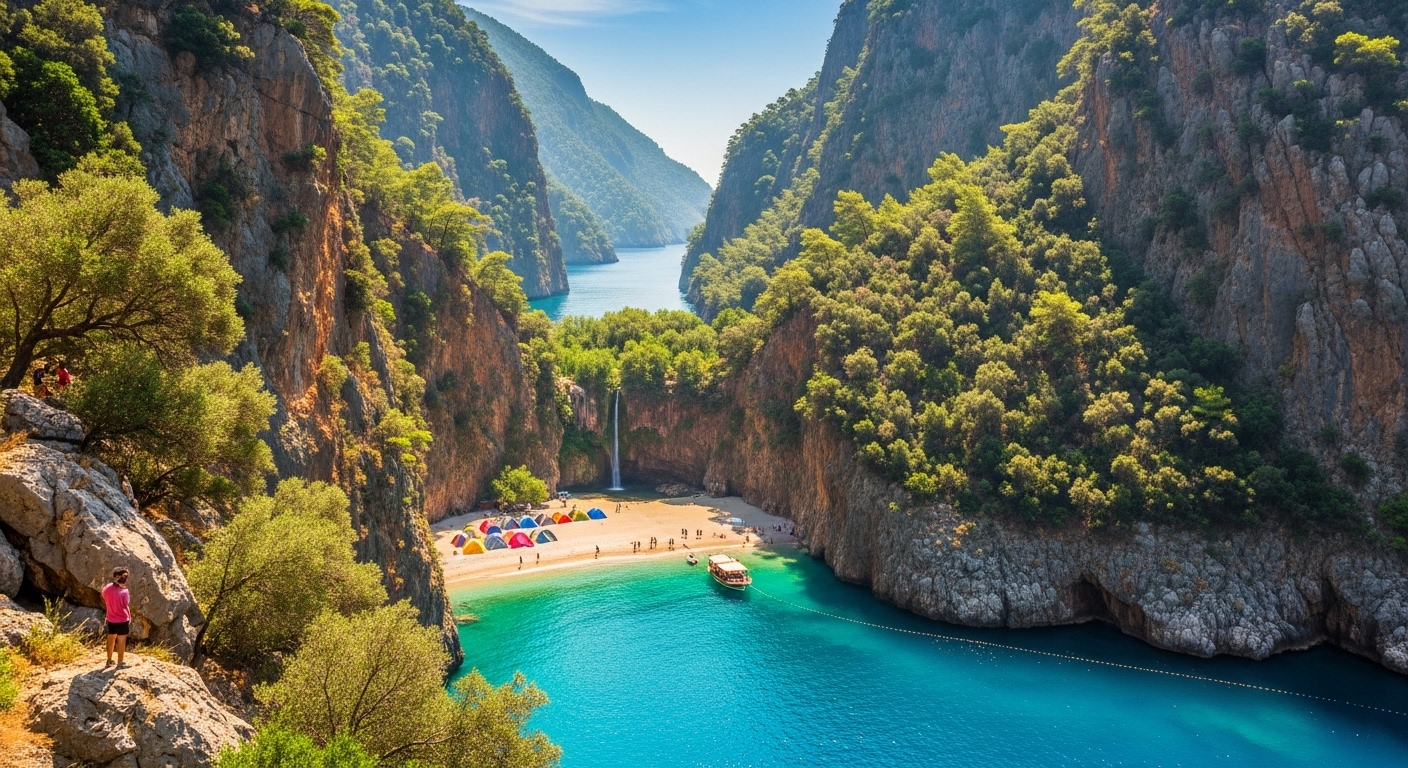
Introduction
When most travelers think of Turkey, their minds immediately drift to Istanbul’s majestic skyline, Cappadocia’s whimsical fairy chimneys, or the sun-soaked beaches of Antalya. But what if we told you that some of the most awe-inspiring experiences in Turkey lie quietly off the beaten path, far away from the buzzing crowds and selfie sticks?
Turkey is a vast and culturally rich country that spans two continents, and its lesser-known corners hold secrets just waiting to be discovered. From untouched mountain valleys and ancient cities hidden in plains, to coastal retreats where time slows to a crawl—these underrated destinations are where you’ll find the heart and soul of authentic Turkey.
Exploring these hidden gems not only means fewer crowds and a deeper connection with nature and history, but also a chance to support local communities that often rely on sustainable, small-scale tourism. This is slow travel at its finest—where the journey becomes just as important as the destination.
So, if you're the type of traveler who prefers discovering a local tea house over a packed tourist café or hiking a misty trail instead of queuing for a cable car, this article is for you. Pack your curiosity—we’re heading to the hidden wonders of Turkey.
Eastern Black Sea Region Wonders
Rize – The Emerald of the Black Sea
If you’ve never heard of Rize, you’re not alone. But this green paradise nestled along the Black Sea coast is an absolute dream for nature lovers and those craving an off-grid escape.
Rize is known for its lush tea plantations, which blanket the hills like a soft, green carpet. Here, you can sip fresh-brewed Turkish tea straight from the source while overlooking misty valleys that look more like the landscapes of Southeast Asia than anything you’d expect in Turkey. The air is fresh, the mountains are high, and the pace of life is beautifully slow.
But Rize is more than just tea. Take a trip to the Pokut Plateau—sitting over 2,000 meters above sea level. Getting there involves a rugged drive, but the reward is a fairytale-like village surrounded by pine forests and drifting clouds. If you’re lucky, you’ll catch the sun rising above the clouds—a magical sight that feels almost spiritual.
Another must-visit spot is the Fırtına Deresi (Storm Valley), a roaring river that carves through dramatic cliffs and forests. It’s popular for whitewater rafting, hiking, and picnicking, with Ottoman-era stone bridges adding to its charm.
Whether you're an adventurer, a photographer, or someone seeking tranquility, Rize offers an unforgettable slice of Turkey that still feels like a well-kept secret.
Artvin – Nature’s Untouched Masterpiece
A little further east of Rize lies Artvin, a province that seems to defy gravity with its mountain villages perched on cliffs and its winding roads that snake through dense forests and alpine pastures. Artvin is remote—and that’s exactly what makes it magical.
This region is all about raw, untamed beauty. Imagine standing on the edge of the Macahel Valley, gazing at a UNESCO-protected biosphere teeming with wildlife, waterfalls, and endemic plants. Few tourists make it out here, but those who do are rewarded with serenity and a chance to truly disconnect.
Hiking enthusiasts will fall in love with the Kaçkar Mountains National Park. These mountains rival the Alps in beauty but have a fraction of the visitors. With alpine lakes, rugged peaks, and authentic village stays, it’s a paradise for trekkers and mountaineers.
One of the highlights of Artvin is its people. Many locals are Laz or Hemshin, ethnic groups with unique cultures, languages, and music. It’s common to stumble upon a traditional wedding or festival, where you’ll be invited to dance and eat with strangers who quickly feel like old friends.
Don’t miss the historical sites either. The Artvin Castle, perched above the Çoruh River, offers panoramic views and a peek into the area’s storied past. From trout farms to ancient churches to eco-lodges that overlook pristine valleys, Artvin offers a kind of richness that no big city can match.
Sivas – History Meets Solitude
Often overlooked in favor of more famous Central Anatolian cities, Sivas quietly holds some of Turkey’s most fascinating historical treasures. This high-altitude city has been a cultural crossroads for centuries and played a pivotal role in the formation of modern Turkey.
Walking through Sivas feels like stepping into a living museum. The city is home to some of the finest examples of Seljuk architecture in Turkey. Visit the Çifte Minareli Medrese, an ornate theological school built in 1271 with towering twin minarets that seem to pierce the sky. Or explore the Buruciye Medrese, a striking blend of stone and symbolism that captures the Seljuk mastery of art and science.
Beyond its historical architecture, Sivas offers natural wonders like the thermal springs of Kangal, famous for their "doctor fish" that nibble away dead skin—offering both healing and a quirky spa experience. If you're a fan of wide-open spaces and dramatic terrain, the surrounding mountains and valleys provide perfect settings for hiking, camping, and photography.
But perhaps the most compelling reason to visit Sivas is the solitude. In a world that feels increasingly noisy and busy, Sivas provides a rare kind of quiet—a chance to reflect, slow down, and appreciate the beauty in simplicity.
Aksaray – The Silent Sister of Cappadocia
While Cappadocia steals the spotlight with its balloon-filled skies and unique rock formations, Aksaray remains hidden in its shadow—quiet, serene, and every bit as enchanting. If you’re looking for the magic of Cappadocia without the hordes of tourists, Aksaray might just be your secret escape.
One of the crown jewels of Aksaray is the Ihlara Valley, a 14-kilometer-long canyon carved by the Melendiz River. It’s like a lush oasis in the middle of the dusty Anatolian plains. What makes it truly special, however, are the dozens of rock-cut churches and cave dwellings hidden within its walls—many of them dating back to early Christianity. You can spend an entire day hiking through the valley, discovering frescoes inside these ancient chapels, and picnicking by the riverside under the shade of tall trees.
Beyond Ihlara, Aksaray is home to some lesser-known but equally fascinating underground cities, similar to those found in Nevşehir. Derinkuyu and Kaymaklı may be the famous ones, but places like Sivrihisar offer a quieter, more immersive experience.
Spiritual travelers will also appreciate the Sultanhanı Caravanserai, a massive Seljuk-era structure that once served as a safe haven for traders along the Silk Road. The architecture is both grand and intricate, a testament to the city’s historical importance.
But what truly sets Aksaray apart is its sense of stillness. It’s the kind of place where locals greet you with a smile, where the food is made with love, and where ancient landscapes meet authentic Anatolian hospitality. You won’t find crowds here—just stories etched into stone, and silence that speaks louder than words.
Mardin – The City of Stone and Spirit
Imagine a city built entirely of golden sandstone, cascading down a hillside with sweeping views over the ancient plains of Mesopotamia. That’s Mardin—a place where history, culture, and spirituality blend into a living, breathing tapestry of Turkish, Arab, Assyrian, and Kurdish traditions.
Walking through Mardin’s old town feels like stepping into a different world. The narrow cobbled streets are lined with intricately carved stone houses, ancient churches, and centuries-old mosques that whisper stories from the past. This city is a true mosaic of civilizations—Orthodox Christian monasteries sit just steps away from Islamic madrasahs, and the call to prayer harmonizes with the toll of church bells.
One of Mardin’s highlights is the Deyrulzafaran Monastery, an ancient Syriac Orthodox monastery that dates back to the 5th century. It’s a serene, sacred place that radiates peace, and the views from its terraces stretch all the way to the Syrian border.
For a more immersive experience, visit Zinciriye Medresesi, a theological school from the 14th century that now functions as a museum and lookout point. You’ll get an unforgettable view of the Mesopotamian plain at sunset—one of the most soul-stirring scenes in all of Turkey.
Mardin is also a culinary paradise. Its cuisine is influenced by Arabic, Kurdish, and Turkish flavors. Don’t miss kaburga dolması (stuffed ribs), kibe (local meatballs), and harire (a warm dessert made with grape molasses and nuts). Local markets are full of handmade soaps, silver jewelry, and traditional textiles.
What makes Mardin stand out is its timelessness. Despite being in a geopolitically sensitive region, the city remains a beacon of coexistence and cultural richness. Visiting Mardin isn’t just a trip—it’s a spiritual journey through the soul of Anatolia.
Sanliurfa – The Birthplace of Prophets
Known affectionately as “Urfa”, this southeastern Turkish city is steeped in spiritual significance and ancient mystery. Often referred to as the City of Prophets, Sanliurfa is believed to be the birthplace of Abraham (Ibrahim)—a fact that draws pilgrims and history buffs alike.
At the heart of the city lies Balikligol, the sacred “Pool of Abraham,” where legend says the prophet was thrown into fire by King Nimrod, only for God to turn the flames into water and the burning logs into fish. Today, the pool is filled with sacred carp and surrounded by peaceful gardens, mosques, and archways.
Just outside the city sits Göbekli Tepe, one of the most groundbreaking archaeological discoveries of our time. This site dates back over 11,000 years—making it older than Stonehenge or the Pyramids. It’s thought to be the world’s oldest temple complex and is rewriting what we know about the dawn of civilization.
Sanliurfa also buzzes with cultural life. The bazaar district is a sensory overload—in the best way. You’ll find everything from handwoven carpets and brass lamps to dried peppers hanging in colorful rows. Stop at a local çay evi (tea house), strike up a conversation with the locals, and don’t be surprised if you get invited to a home-cooked meal.
Music also plays a huge role in Urfa’s identity. The sira gecesi (traditional music night) is an unforgettable experience, where you’ll enjoy soulful songs, storytelling, and a feast of local dishes in a convivial setting.
Urfa doesn’t just show you history—it pulls you into it, with open arms and a heart full of stories.
Adrasan – The Calm Cove
Tucked away on the Mediterranean coast between the more well-known towns of Kemer and Olympos, Adrasan is a serene seaside escape that feels worlds away from the hustle of tourist hotspots. Here, the Mediterranean is crystal clear, the beaches are uncrowded, and life moves to the rhythm of the waves.
Adrasan’s main draw is its crescent-shaped beach, framed by forested mountains and small, family-run pensions. Unlike the busy resorts of Antalya, Adrasan offers a quiet, low-key experience. It’s the kind of place where you wake up to birdsong, spend the day swimming or reading under the shade of pine trees, and fall asleep to the sound of cicadas.
Adventure seekers will love Adrasan’s proximity to the Lycian Way, one of the world’s top long-distance hiking trails. The route between Adrasan and the Gelidonya Lighthouse is a particular favorite, offering jaw-dropping views over the coastline and turquoise sea. It’s challenging, but the vistas make every step worthwhile.
Boat tours are another highlight. Local captains take visitors to hidden bays and snorkeling spots like Suluada, often called the “Turkish Maldives” for its stunning blue waters. These tours include freshly cooked meals on board and plenty of time for swimming and sunbathing.
Because Adrasan is largely off the tourist radar, the food here is fresh, simple, and homemade. You’ll find traditional Turkish breakfasts, fresh-caught fish, and meze spreads that go perfectly with a chilled glass of ayran or rakı under the stars.
In Adrasan, there’s no rush, no noise—just peace, nature, and that magical feeling of having discovered a secret.
Anamur – Bananas and Byzantine Ruins
On the southern edge of Turkey’s Mediterranean coast, just before the land folds into the Taurus Mountains, lies Anamur—a hidden paradise that combines natural beauty, ancient history, and tropical agriculture in the most unexpected way.
What sets Anamur apart? For starters, it’s home to Anemurium, a stunning ancient Roman city complete with baths, a necropolis, a theater, and mosaics still intact. The site is sprawling and largely unguarded, which means you can wander through it almost alone—a rare luxury in today’s world of roped-off ruins and guided groups.
Just a short drive from the ruins is Mamure Castle, a well-preserved fortress dating back to the Byzantine and Seljuk eras. With its tall towers, sea views, and moat, it feels like something out of a fantasy novel—and you’ll often have it entirely to yourself.
Surprisingly, Anamur is also Turkey’s banana capital. Thanks to its warm microclimate, the region grows sweet, small bananas in abundance. Drive through town and you’ll see banana plantations lining the roads, and you can buy freshly picked ones from roadside stalls.
Despite its wealth of attractions, Anamur sees very little international tourism. Most visitors are Turkish families or road-trippers looking for a quiet beach and a dose of history. The beaches here are long, clean, and uncrowded, with calm waters perfect for swimming and snorkeling.
Accommodations in Anamur are simple but charming—think guesthouses with garden patios and sea views, far from high-rise resorts. It’s the ideal place for travelers who appreciate authenticity, history, and a laid-back vibe.
Akyaka – Where the Mountains Meet the Sea
Tucked between the Gulf of Gökova and the pine-covered mountains of southwestern Turkey, Akyaka is the kind of place that makes you question why you didn’t hear about it sooner. With its charming architecture, crystal-clear river, and laid-back lifestyle, Akyaka has become a hidden haven for nature lovers, artists, and anyone seeking a break from overdeveloped beach resorts.
What makes Akyaka truly special is its designation as a Cittaslow city, part of a global movement that promotes slow living, sustainability, and local culture. This ethos is felt in everything from the family-owned guesthouses to the organic farmers’ markets and eco-conscious cafés.
Akyaka’s most famous natural feature is the Azmak River—a magical, spring-fed stream that runs alongside the town. The water is so clear that you can see the plants swaying at the bottom like underwater gardens. You can rent a kayak or hop on a small boat tour to glide through the cool waters while ducks paddle past and birds chirp in the background.
Just a few minutes from town lies Akyaka Beach, a shallow bay with calm waters perfect for families or first-time swimmers. But for adventure seekers, Akyaka is also one of Turkey’s top spots for kite surfing. The strong afternoon winds and flat sea make it a haven for both beginners and pros, and the vibe at the kite beach is vibrant and international.
Architecturally, Akyaka is unlike any other coastal town in Turkey. Its houses follow the “Ula-Muğla” style, with wooden balconies, ornate carvings, and red-tiled roofs, giving the town a cohesive and quaint look that feels both nostalgic and inviting.
Whether you're enjoying seafood by the river, biking along forest trails, or watching the sun dip behind the mountains, Akyaka invites you to slow down and savor the moment. It’s not just a destination—it’s a lifestyle.
Practical Travel Tips for Visiting Underrated Places
Exploring Turkey’s underrated destinations is a rewarding adventure, but it comes with its own set of logistical challenges. Here are some practical tips to help you get the most out of your journey:
1. Transportation:
Many of these hidden gems are not easily accessible by high-speed trains or flights. You’ll often rely on intercity buses, dolmuş (shared minibuses), or car rentals. Renting a car is the most flexible option, especially if you're planning to hop between remote villages and natural sites.
2. Accommodations:
Forget chain hotels. In underrated regions, you'll find family-run guesthouses, pensions, eco-lodges, and even homestays. These places offer not just a bed, but a genuine cultural experience. Always book in advance during national holidays and summer months, even in lesser-known areas.
3. Language Barrier:
English might not be widely spoken in rural parts of Turkey. Learning a few basic Turkish phrases can go a long way. Keep a translation app handy, and don't hesitate to use body language—Turkish hospitality usually bridges the gap.
4. Connectivity:
While mobile coverage is generally decent, some mountainous or remote areas may have weak signals. If you rely on GPS or online maps, download offline maps before your trip.
5. Money Matters:
In many small towns, cash is king. ATMs may be few and far between, and smaller shops or restaurants might not accept cards. Always carry some Turkish lira with you.
6. Local Cuisine:
Don’t expect the same menus you find in Istanbul. Local dishes vary drastically between regions. Try regional specialties and don’t miss the village breakfasts (köy kahvaltısı)—a spread of olives, cheeses, jams, eggs, and breads that will leave you full for hours.
7. Safety and Health:
Turkey is generally safe, but always exercise standard travel precautions. Bring basic medications, especially for allergies or digestion, as pharmacies in remote areas may have limited English support.
8. Weather and Clothing:
The climate varies widely. Pack layers if you’re heading into the mountains, and modest clothing when visiting conservative regions. Always bring comfortable shoes, especially if hiking or exploring ancient ruins is on your itinerary.
With the right preparation, these underrated places can provide some of the most enriching and unforgettable experiences in Turkey.
Cultural Etiquette and Responsible Tourism
When you step off the beaten path in Turkey, you’re often entering communities where traditional lifestyles still thrive. Being mindful of cultural etiquette and practicing responsible tourism helps protect these communities and ensures you’re welcomed with open arms.
1. Respect Traditions:
In more conservative regions, especially in Eastern and Southeastern Turkey, modesty in dress is appreciated—especially when entering mosques or religious sites. Women may consider carrying a scarf, and men should avoid shorts when visiting rural villages.
2. Greet with Kindness:
Turkish people, especially in smaller towns, are incredibly hospitable. A smile, a simple “Merhaba” (Hello), or a “Teşekkür ederim” (Thank you) can open many doors. Don’t be surprised if you’re invited in for tea—it’s a genuine expression of goodwill.
3. Support Local Economies:
Whenever possible, buy local. Choose handmade crafts over mass-produced souvenirs, eat at family-run restaurants, and stay in locally owned accommodations. This directly supports the community and helps preserve cultural practices.
4. Minimize Your Footprint:
Bring a reusable water bottle, avoid single-use plastics, and always take your trash with you—especially when hiking or visiting natural sites. Turkey’s pristine nature is part of what makes these places special, and it’s up to visitors to help keep it that way.
5. Ask Before You Snap:
Always ask permission before taking photos of people, especially in rural areas or traditional communities. Respect their privacy and space, just as you would in your own hometown.
6. Learn and Share:
Take time to learn about the history and culture of the places you visit. Read local legends, ask questions, and share these stories with others—it helps spread awareness of Turkey’s incredible diversity.
By being a conscious traveler, you’re not just discovering Turkey—you’re helping preserve its beauty and soul for generations to come.
Conclusion
Turkey’s underrated destinations are more than just alternative travel options—they are windows into the heart of a nation that stretches across continents, cultures, and millennia. While popular spots like Istanbul and Cappadocia have their place, the real magic often lies in the lesser-known valleys, villages, and coastlines where life follows a slower, more meaningful rhythm.
Whether you’re wandering the misty plateaus of Rize, exploring stone-carved churches in Ihlara Valley, diving into history in Mardin, or savoring fresh fish by the Azmak River, each place offers a unique story waiting to be lived.
These are places where tradition is still alive, where the scenery stuns without needing a filter, and where your presence as a traveler can make a real difference. In choosing the road less traveled, you’re not just avoiding crowds—you’re connecting with a deeper, richer version of Turkey that many never get to see.
So, next time you're planning a trip, skip the obvious. Go where the maps blur and the memories sharpen.
FAQs
1. Is it safe to visit underrated places in Turkey?
Yes, most of these destinations are very safe. As with any travel, use common sense, respect local customs, and stay updated with local news or travel advisories.
2. What’s the best time of year to explore these regions?
Spring (April to June) and autumn (September to October) are ideal. The weather is mild, and you’ll avoid both the summer heat and winter snows that affect mountainous areas.
3. How can I get to these places without a car?
Intercity buses and local dolmuş services connect many regions, but some remote areas may require a car or guided tour. Planning ahead is essential for smooth travel.
4. Are these destinations suitable for solo travelers?
Absolutely. Turkish hospitality makes solo travelers feel welcome, and many hostels and guesthouses are perfect for meeting other adventurers.
5. What should I pack for rural travel in Turkey?
Comfortable walking shoes, layered clothing, modest outfits, a hat, sunscreen, a reusable water bottle, and some cash are all essentials for a smooth rural adventure.
Have Question Or Suggestion ?
Please Share Your Thought, To Make It Real