The highest mountain in Turkey - Mount Ararat
Mount Ararat, Turkey’s tallest mountain, rises above Eastern Anatolia with eternal snow, volcanic beauty, and legends linked to Noah’s Ark.
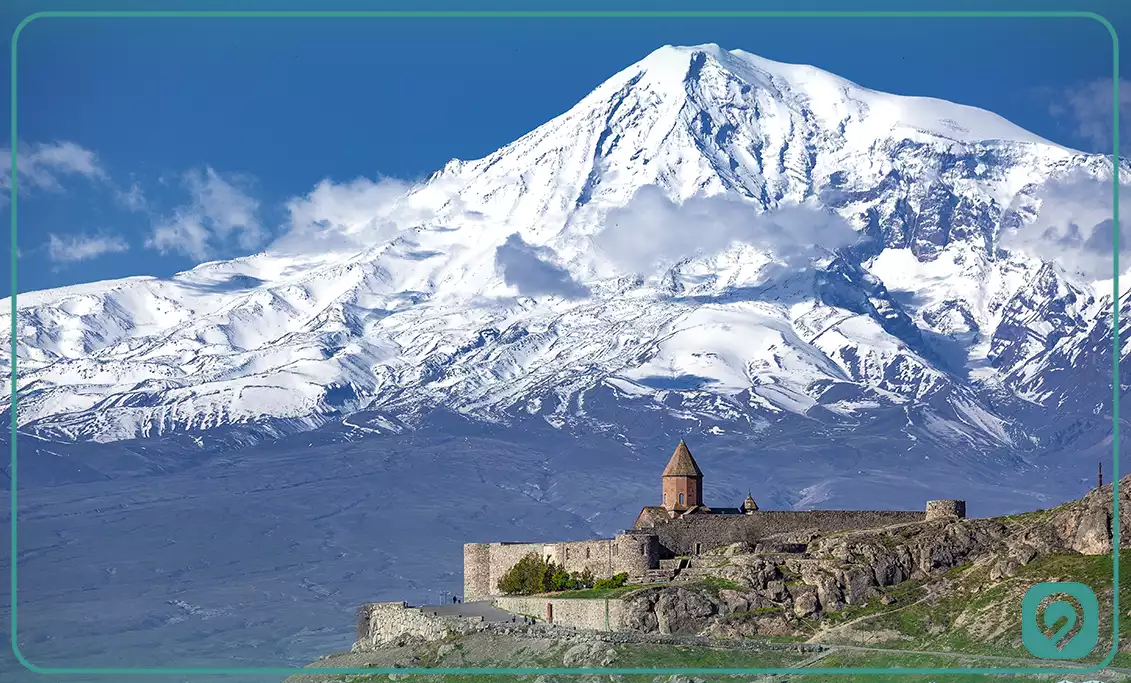
The Highest Mountain in Turkey – Mount Ararat
Introduction to Mount Ararat
Rising dramatically above the plains of eastern Turkey, Mount Ararat stands as one of the most iconic natural landmarks in the world. Towering at 5,137 meters (16,854 feet) above sea level, it holds the title of the highest mountain in Turkey and commands attention from travelers, climbers, photographers, historians, and religious pilgrims alike. Its snow-covered summit remains visible from great distances, creating a breathtaking silhouette that has inspired legends and stories for thousands of years.
What makes Mount Ararat particularly fascinating is that its significance extends far beyond geography. It is a mountain wrapped in mystery, history, and spiritual symbolism. For many people, Ararat is not simply a peak—it is a symbol of endurance, faith, and natural grandeur. Its massive volcanic cone rises from a relatively flat landscape, making it appear even more imposing than many higher mountain ranges around the world.
The mountain's reputation has been strengthened by its association with the biblical story of Noah’s Ark, a connection that continues to attract global interest. Scientists, adventurers, and believers have all looked toward Ararat with curiosity, searching for clues hidden beneath its glaciers and rocky slopes.
Today, Mount Ararat remains one of Turkey’s most remarkable natural treasures. It combines geological wonder, cultural heritage, and outdoor adventure into a single destination, making it a place that captures the imagination of anyone who learns about it.
Where Is Mount Ararat Located?
Mount Ararat is located in the far eastern region of Turkey, within Ağrı Province, close to the borders of Armenia, Iran, and Azerbaijan. Its strategic location places it at a crossroads of civilizations that have interacted, traded, and competed throughout history. This unique geographical position has helped shape the mountain’s cultural and historical significance.
The mountain dominates the landscape of the Ararat Plain, an area known for its fertile soils and historical importance. Travelers approaching the region often describe their first sight of Ararat as unforgettable. Its immense size appears almost unreal, rising sharply from the surrounding terrain and creating a visual landmark that can be seen from hundreds of kilometers away under clear weather conditions.
Geographic Position Near Turkey’s Eastern Border
Mount Ararat sits approximately 16 kilometers west of the Iranian border and not far from Armenia. Although the mountain is entirely within modern Turkish territory, it remains deeply significant to neighboring countries as well. Its image appears frequently in Armenian culture, literature, and art, despite being located across the border.
The strategic location of Ararat has made it a natural reference point for travelers and explorers throughout history. Ancient trade routes once passed through nearby regions, linking Asia and Europe. The mountain acted as both a navigational landmark and a symbol of the powerful natural forces that shaped the region.
Because of its border location, visitors planning expeditions often encounter special regulations and permit requirements. These measures help ensure security while preserving the mountain’s unique environment. The result is a destination that remains both accessible and carefully protected.

The Height and Physical Features of Mount Ararat
Standing at 5,137 meters, Mount Ararat is significantly taller than any other mountain in Turkey. Its prominence makes it one of the most recognizable peaks in Western Asia. Unlike mountains hidden within crowded ranges, Ararat rises independently, giving it extraordinary visual dominance over the surrounding landscape.
Its summit remains covered by permanent snow and ice, creating a striking contrast against the dry plains below. The mountain's broad base covers an enormous area, and its volcanic shape creates smooth yet imposing slopes that seem to stretch endlessly toward the sky.
Greater Ararat and Lesser Ararat
The Ararat massif actually consists of two volcanic peaks: Greater Ararat and Lesser Ararat. Greater Ararat is the taller summit and the highest point in Turkey, while Lesser Ararat reaches approximately 3,896 meters (12,782 feet).
The two peaks are separated by a saddle known as the Serdarbulak Pass. Together, they create one of the most distinctive mountain landscapes in the region. Viewed from a distance, the twin summits appear majestic and symmetrical, contributing to the mountain's legendary status.
This dual-peak structure also reflects the mountain’s volcanic origins. Over thousands of years, geological processes shaped the massif into the impressive formation visible today.
Snow-Capped Summit Throughout the Year
One of Mount Ararat’s defining features is its permanent snow cap. Even during the hottest summer months, snow and ice remain near the summit. The glacier system covering the upper sections of the mountain is among Turkey’s most significant sources of high-altitude ice.
The snowy summit has inspired countless photographs and artistic representations. Against the blue skies of eastern Anatolia, the white crown of Ararat creates a scene that feels almost mythical. Climbers approaching the summit often describe the transition from dry volcanic terrain to snow-covered slopes as one of the mountain’s most memorable experiences.

Geological Origins of Mount Ararat
Mount Ararat is classified as a dormant stratovolcano, formed through repeated volcanic eruptions over millions of years. Its massive cone shape is the result of layers of lava, ash, and volcanic debris accumulating over time.
Geologists consider Ararat one of the most significant volcanic structures in the region. The mountain formed as tectonic forces pushed and compressed the Earth's crust, creating conditions favorable for volcanic activity.
A Massive Dormant Stratovolcano
The volcanic nature of Mount Ararat is evident in its shape and composition. Stratovolcanoes are known for their steep profiles and explosive histories, and Ararat fits this description perfectly. Despite its peaceful appearance today, the mountain was once an active force of nature.
Scientists studying Ararat have identified extensive volcanic rock formations across its slopes. These formations provide valuable insights into the geological evolution of eastern Anatolia and the broader tectonic history of the region.
Volcanic Activity Through History
Historical records indicate that volcanic activity on Mount Ararat continued into relatively recent times. The most notable event occurred in 1840, when an eruption and associated earthquake caused significant destruction in nearby settlements.
Since then, the mountain has remained dormant. Modern geological monitoring suggests that while future activity cannot be completely ruled out, Ararat is currently considered inactive. This dormant status has allowed ecosystems to develop and tourism to flourish around its slopes.
Why Mount Ararat Is Famous Worldwide
Few mountains combine natural beauty, historical intrigue, and religious symbolism as effectively as Mount Ararat. Its global fame stems from a blend of scientific interest and ancient tradition.
The Connection to Noah’s Ark
Perhaps the most famous aspect of Mount Ararat is its association with the story of Noah’s Ark. According to biblical tradition, Noah’s Ark came to rest upon the "mountains of Ararat" after the great flood.
For centuries, explorers and researchers have searched for evidence of the Ark on the mountain's slopes. Numerous expeditions have claimed discoveries, although no definitive proof has ever been verified by the scientific community.
Despite the lack of conclusive evidence, the legend continues to fuel fascination. The possibility that traces of one of humanity’s most enduring stories could remain hidden beneath Ararat’s glaciers captures the imagination of millions around the world.
Religious and Cultural Importance
Mount Ararat holds deep symbolic meaning across multiple religious and cultural traditions. It has been referenced in sacred texts, historical chronicles, poems, and works of art for centuries.
For many communities, the mountain represents renewal, survival, and divine intervention. Its commanding presence and enduring mysteries have transformed it into more than a geological landmark—it has become a cultural icon recognized far beyond Turkey’s borders.
Biodiversity and Natural Environment
Although often associated with snow and volcanic rock, Mount Ararat supports a surprisingly diverse range of ecosystems. Changes in elevation create distinct environmental zones, each supporting different forms of life.
Wildlife Around the Mountain
The mountain provides habitat for numerous animal species adapted to harsh conditions. Wild goats, foxes, wolves, and various bird species can be found throughout the region. Raptors frequently soar above the slopes, taking advantage of thermal currents created by the mountain’s terrain.
These species play important roles in maintaining ecological balance. Conservation efforts aim to protect habitats while allowing sustainable tourism to continue.
Unique Plant Life and Ecosystems
As climbers ascend Ararat, they encounter changing vegetation zones. Lower elevations feature grasslands and agricultural areas, while higher sections support alpine flora capable of surviving cold temperatures and limited water availability.
Many plants bloom during the short mountain summer, transforming parts of the landscape into colorful meadows. This seasonal contrast between green valleys and snowy peaks contributes significantly to the mountain’s visual appeal.
Climbing Mount Ararat
Mount Ararat has become one of the most sought-after climbing destinations in the Middle East. Thousands of adventurers attempt the ascent each year, drawn by the challenge and the opportunity to stand on Turkey’s highest point.
Routes and Difficulty Level
The standard climbing route is considered technically moderate, making it accessible to physically fit hikers with proper preparation. Unlike highly technical alpine climbs requiring advanced mountaineering skills, Ararat primarily demands endurance, acclimatization, and determination.
Most expeditions take four to five days, allowing climbers to adjust to the altitude before making the final push toward the summit.
Best Time to Climb
The most popular climbing season runs from June through September. During these months, weather conditions tend to be more stable, and snow levels are generally manageable.
Clear summer mornings often provide spectacular panoramic views stretching across Turkey, Armenia, Iran, and surrounding regions. Many climbers consider sunrise from the summit to be one of the most unforgettable sights in the world.
Permits and Preparation Requirements
Visitors must obtain official permits before attempting the climb. Organized tours often assist with documentation, transportation, guides, and camping logistics.
Preparation typically includes:
| Requirement | Importance |
|---|---|
| Physical fitness | Essential for long ascents |
| Acclimatization | Reduces altitude-related issues |
| Warm clothing | Necessary for summit temperatures |
| Professional guide | Recommended for safety |
| Travel permits | Required by authorities |
Proper planning significantly increases the likelihood of a safe and successful summit experience.
Tourism and Local Communities
Mount Ararat contributes substantially to the economy of eastern Turkey. Tourism generates income for hotels, transportation providers, guides, restaurants, and local businesses throughout the region.
Impact on the Regional Economy
The growing popularity of adventure tourism has created valuable opportunities for communities surrounding the mountain. Local guides share cultural knowledge, while family-owned businesses provide accommodations and traditional cuisine for visitors.
Tourism also encourages infrastructure improvements and international visibility for an area often overlooked by mainstream travelers. As interest in sustainable travel grows, Mount Ararat is increasingly recognized as a destination that offers both natural beauty and authentic cultural experiences.
Mount Ararat in Literature, Art, and Popular Culture
Artists, writers, and poets have celebrated Mount Ararat for centuries. Its striking silhouette appears in paintings, literature, folklore, and modern media. Many creators use the mountain as a symbol of hope, resilience, and spiritual aspiration.
Photographers are particularly drawn to Ararat because of its dramatic presence and constantly changing light conditions. At sunrise and sunset, the mountain often glows with shades of gold, pink, and deep purple, creating scenes that seem almost dreamlike.
The mountain's enduring influence demonstrates how geography can shape culture and imagination. Few natural landmarks have inspired such a wide range of creative expression across different civilizations and historical periods.
Conservation Challenges and Environmental Concerns
Like many mountain ecosystems worldwide, Mount Ararat faces environmental pressures. Climate change has contributed to the gradual retreat of glaciers, raising concerns about long-term ecological impacts.
Increasing tourism also creates challenges related to waste management, trail maintenance, and habitat protection. Sustainable tourism practices are becoming increasingly important to preserve the mountain's natural and cultural heritage.
Conservation initiatives focus on balancing visitor access with environmental responsibility. Protecting Ararat ensures that future generations can continue to experience its beauty, history, and scientific value.
Conclusion
Mount Ararat is far more than the highest mountain in Turkey. It is a geological giant, a cultural symbol, a destination for adventurers, and a source of enduring mystery. Rising 5,137 meters above eastern Anatolia, the mountain dominates both the landscape and the imagination of people around the world.
Its volcanic origins, permanent snowfields, rich biodiversity, and legendary connection to Noah’s Ark combine to create a place unlike any other. Whether viewed through the lens of science, history, religion, or outdoor exploration, Mount Ararat remains one of the most remarkable mountains on Earth.
The highest mountain in Turkey is Mount Ararat, which is located in the eastern part of the country, near the border with Armenia. The peak of the mountain reaches an elevation of 5,137 meters (16,854 feet) above sea level. It's considered as a dormant volcano and its last known eruption took place in 1840. It's also the highest point in Turkey and a major pilgrimage site for Christians, Jews, and Armenians.
The highest mountain peak in Turkey is Mount Ararat, which has an elevation of 5,137 meters (16,854 feet) above sea level. It is located in the eastern part of the country, near the border with Armenia. It is a dormant volcano and its last known eruption took place in 1840.
The highest mountain in Turkey is Mount Ararat, which has an elevation of 5,137 meters (16,854 feet) above sea level.
"Ararat," is located in northern Turkiye in the Eastern Anatolia region in the Turkish province of Agri




.webp)
Have Question Or Suggestion ?
Please Share Your Thought, To Make It Real