Beyazit Istanbul: history and culture in the vibrant city
Discover Beyazit, Istanbul's historic heart, where Ottoman landmarks, the Grand Bazaar, rich culture, and timeless traditions come together.
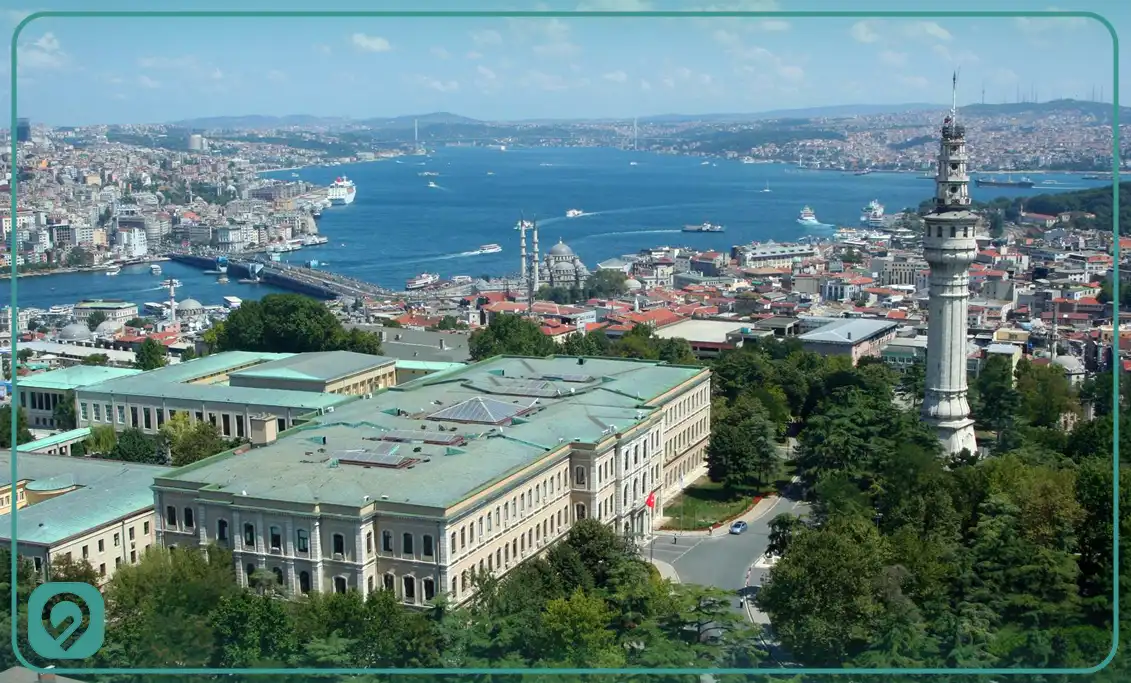
Beyazit Istanbul: History and Culture in the Vibrant City
Introduction to Beyazit
Few places in Istanbul capture the city's remarkable blend of history, education, commerce, religion, and daily life as completely as Beyazit. Located on the European side of Istanbul within the historic Fatih district, Beyazit has served as a crossroads of civilizations for centuries. Every stone, gateway, and marketplace tells a story that stretches from the days of the Byzantine Empire through the glory of the Ottoman Empire and into modern Türkiye. Whether you are fascinated by monumental architecture, eager to experience authentic Turkish culture, or simply looking for one of Istanbul's most vibrant neighborhoods, Beyazit Istanbul offers an unforgettable journey.
One of the district's greatest strengths is the way history remains part of everyday life. Students stream through the monumental gates of Istanbul University, shopkeepers welcome visitors into centuries-old stores in the nearby Grand Bazaar, and worshippers gather beneath the elegant domes of the Beyazit Mosque. Rather than feeling like an open-air museum frozen in time, Beyazit is alive with conversations, aromas of freshly brewed Turkish tea, bustling cafés, and streets where locals and travelers naturally mix. This dynamic atmosphere makes every visit feel personal, allowing visitors to experience both Istanbul's past and its energetic present at the same time.
Beyazit also serves as an excellent starting point for exploring many of Istanbul's most famous attractions. The Blue Mosque, Hagia Sophia, the Basilica Cistern, Suleymaniye Mosque, and the Spice Bazaar are all within easy reach, making the neighborhood an ideal base for discovering the city's rich heritage. Excellent public transportation, including the T1 tram line, connects Beyazit with other major districts, ensuring that travelers can move easily while remaining close to some of the world's most significant historical landmarks.
As tourism continues to grow in Istanbul, Beyazit remains one of the city's cultural anchors. According to Türkiye's Ministry of Culture and Tourism, Istanbul welcomes millions of international visitors annually, and the historic peninsula consistently ranks among the most visited destinations because of its exceptional concentration of UNESCO-recognized heritage sites and Ottoman-era architecture. That popularity is well deserved. Walking through Beyazit feels less like checking attractions off a travel list and more like stepping into a living history book where every street reveals another chapter waiting to be discovered.
The Historical Origins of Beyazit
Understanding Beyazit Istanbul begins with understanding the city itself. Long before Ottoman sultans built magnificent mosques and bustling marketplaces, this area formed part of ancient Byzantium, later becoming one of the central districts of Constantinople, the capital of the Eastern Roman (Byzantine) Empire. Its strategic location between Europe and Asia made it one of history's most valuable urban centers, attracting merchants, scholars, emperors, and travelers from every corner of the known world. The district benefited from its position along important trade routes, helping establish a tradition of commerce that still defines Beyazit today.
The transformation accelerated dramatically after Sultan Mehmed II conquered Constantinople in 1453. Under Ottoman rule, the district evolved into an intellectual and administrative center. Grand architectural projects reshaped the skyline, including religious complexes, educational institutions, public fountains, and caravanserais that welcomed traders arriving from distant regions. Among the most significant developments was the construction of the Beyazit Mosque, commissioned by Sultan Bayezid II and completed in the early sixteenth century. The mosque became not only a place of worship but also the heart of a broader social complex that supported education, charitable work, and community life.
During the following centuries, Beyazit flourished alongside the expanding Ottoman Empire. Markets grew larger, libraries accumulated priceless manuscripts, and scholars gathered to exchange ideas that influenced politics, religion, literature, and science throughout the empire. The district's streets became a meeting place where cultures intersected naturally. Merchants from Europe negotiated with traders from Persia, the Arab world, Central Asia, and beyond, giving Beyazit an international character that continues today. This rich multicultural legacy explains why visitors often describe the neighborhood as one of Istanbul's most authentic historical districts.
Today, layers of history remain visible throughout Beyazit. Byzantine foundations coexist with Ottoman monuments, while modern transportation and university life keep the district constantly evolving. Rather than replacing older traditions, each historical era has added another layer to Beyazit's identity. That unique continuity is one reason historians, architects, photographers, and curious travelers continue returning to this remarkable neighborhood. Walking its streets is an invitation to witness centuries of human achievement unfolding within a single vibrant corner of Istanbul.

The Historical Origins of Beyazit
From Byzantium to Constantinople
The story of Beyazit is inseparable from the history of Istanbul itself. Long before the Ottoman Empire left its unmistakable mark on the skyline, this district formed part of the thriving city of Byzantium, which was later transformed into Constantinople after Emperor Constantine the Great established it as the capital of the Eastern Roman Empire in the fourth century. The area that is now Beyazit occupied an important position within the city's urban landscape, lying close to major roads, markets, and administrative centers. As Constantinople expanded into one of the wealthiest and most influential cities in the medieval world, Beyazit developed into a lively quarter where commerce, religion, and public life naturally intersected. Merchants carrying silk, spices, precious metals, and textiles traveled through nearby streets, creating an atmosphere of cultural exchange that attracted visitors from Europe, Asia, and the Middle East. The district witnessed imperial ceremonies, political events, and the daily rhythms of ordinary citizens whose lives contributed to the city's enduring legacy. Although many Byzantine structures disappeared over time or were incorporated into later buildings, traces of this remarkable civilization remain beneath the streets and within the foundations of several monuments. Exploring Beyazit today offers more than a glimpse into Ottoman history; it provides an opportunity to appreciate how one civilization built upon another, creating a rich historical tapestry that continues to define Istanbul's identity.
The Ottoman Transformation
The conquest of Constantinople in 1453 marked the beginning of a new chapter for Beyazit. Sultan Mehmed II initiated an ambitious program of rebuilding that transformed the city into the capital of the Ottoman Empire. Public squares, mosques, schools, baths, fountains, and commercial complexes gradually reshaped the district, establishing Beyazit as one of the empire's most important cultural and administrative centers. The construction of the Beyazit Mosque, commissioned by Sultan Bayezid II and completed in the early sixteenth century, symbolized this transformation. Rather than functioning solely as a place of worship, the mosque formed part of a larger social complex that included educational facilities, charitable institutions, and spaces where local residents gathered for community life. Ottoman architects balanced elegance with practicality, creating buildings that still impress visitors with their harmonious proportions and timeless beauty. At the same time, bustling markets expanded around the district, reinforcing Beyazit's role as a commercial hub where traders from across three continents exchanged goods and ideas. The Ottoman period also encouraged scholarship, with libraries preserving valuable manuscripts and schools educating generations of administrators, religious scholars, and intellectuals. Walking through Beyazit today reveals countless reminders of this era, from graceful domes and stone courtyards to narrow streets that still follow routes established centuries ago. The district's ability to preserve these historical layers while remaining an active part of modern Istanbul is one of its greatest attractions.
Beyazit Square: The Historic Heart of the District
Architectural Highlights
Beyazit Square serves as the symbolic center of the neighborhood and has welcomed residents, travelers, students, and merchants for hundreds of years. The square has evolved through multiple historical periods, reflecting the changing character of Istanbul while preserving its role as a gathering place. One of its most recognizable landmarks is the monumental entrance to Istanbul University, whose impressive gateway combines grandeur with historical significance. Nearby stands the elegant Beyazit Mosque, whose spacious courtyard offers a peaceful contrast to the lively streets surrounding it. Mature plane trees provide welcome shade during the warmer months, encouraging visitors to pause and absorb the atmosphere before continuing toward the nearby Grand Bazaar or other historic sites. The square also illustrates the coexistence of old and new, where modern trams glide past centuries-old monuments without diminishing their charm. Street vendors, book sellers, students, photographers, and tourists all contribute to the vibrant daily rhythm that makes Beyazit Square feel alive rather than preserved behind museum walls. Early mornings reveal a quieter side of the district as shopkeepers prepare for the day, while afternoons bring a steady flow of locals and international visitors. At sunset, the warm light reflecting from the stone façades creates a memorable setting that captures the timeless beauty of Istanbul's Historic Peninsula.
Istanbul University and Its Lasting Legacy
Academic and Cultural Influence
One of the defining institutions of Beyazit is Istanbul University, one of Türkiye's oldest and most respected centers of higher education. Although its modern organization dates to the nineteenth century, its intellectual roots extend much further into the Ottoman educational tradition. The university has educated generations of scientists, writers, political leaders, physicians, engineers, artists, and legal scholars who have contributed significantly to Turkish society. Its iconic main gate has become one of the most photographed landmarks in the district, symbolizing the city's long-standing commitment to learning and scholarship. Beyond its academic achievements, the university shapes the atmosphere of Beyazit itself. Students fill nearby cafés, bookstores, and public spaces with lively discussions, giving the neighborhood an energetic and youthful character that complements its historical surroundings. This blend of education and heritage distinguishes Beyazit from many other historic districts, demonstrating that centuries-old architecture can coexist naturally with contemporary intellectual life. Visitors often notice how seamlessly academic traditions blend into everyday routines, creating an environment where history is not simply remembered but actively lived. Whether admired from outside or explored during public events and exhibitions, Istanbul University remains one of the neighborhood's greatest cultural treasures.

The Magnificent Beyazit Mosque
Design and Architectural Features
Standing proudly beside Beyazit Square, the Beyazit Mosque (Bayezid Camii) is one of the finest examples of early classical Ottoman architecture. Commissioned by Sultan Bayezid II and completed between 1501 and 1506, the mosque represents a transitional period in Ottoman design that bridged earlier architectural traditions with the masterpieces later created by the renowned architect Mimar Sinan. Although it may not receive the same level of international attention as the Blue Mosque or Hagia Sophia, many historians and architecture enthusiasts consider it one of Istanbul's hidden gems because of its refined proportions, peaceful atmosphere, and historical importance.
The mosque's spacious central dome is supported by semi-domes that create an interior filled with natural light, emphasizing openness and serenity rather than overwhelming ornamentation. Elegant marble columns, intricate calligraphy, geometric decorations, and carefully crafted stonework reveal the extraordinary skill of Ottoman artisans. The courtyard is equally impressive, surrounded by graceful arcades and shaded by centuries-old trees that provide a tranquil escape from the busy streets outside. The sound of birds, the gentle movement of visitors, and the nearby call to prayer combine to create an atmosphere that encourages quiet reflection.
Beyond its architectural beauty, the mosque forms part of a larger külliye, or social complex, which historically included a madrasa, public kitchen, bathhouse, and charitable facilities. These institutions reflected the Ottoman philosophy that places of worship should also support education and community welfare. Walking through the complex today offers valuable insight into how religion, learning, and public service were closely connected during the empire's most influential centuries. Every stone and courtyard tells a story of generosity, scholarship, and civic responsibility that shaped daily life for generations.
Religious and Cultural Importance
The Beyazit Mosque continues to serve as an active place of worship while remaining one of Istanbul's most significant historical landmarks. Unlike monuments preserved solely for tourism, the mosque remains deeply connected to the local community. Worshippers gather five times each day for prayer, while visitors from around the world respectfully admire its architecture and peaceful surroundings. This coexistence of religious devotion and cultural appreciation gives the mosque a unique character that cannot be replicated inside a museum.
Throughout Ottoman history, the mosque hosted religious scholars, public lectures, charitable activities, and important community gatherings. It became a center where knowledge was exchanged alongside spiritual guidance, reinforcing Beyazit's reputation as one of Istanbul's intellectual districts. During Ramadan and other Islamic holidays, the atmosphere becomes especially vibrant as families, students, and visitors come together to experience traditional celebrations and communal meals.
For travelers, visiting the mosque offers more than an opportunity to admire impressive architecture. It provides a chance to observe living traditions that have continued for more than five centuries. Respectful clothing and quiet behavior allow guests to appreciate both the spiritual significance and historical richness of the site. Whether someone visits for religious reasons, historical curiosity, or architectural interest, the Beyazit Mosque leaves a lasting impression through its elegance, authenticity, and enduring role within Istanbul's cultural landscape.
The Grand Bazaar and Beyazit's Commercial Heritage
Shopping Traditions Through the Centuries
Just a short walk from Beyazit Square lies one of the world's oldest and largest covered markets—the legendary Grand Bazaar (Kapalıçarşı). Established shortly after the Ottoman conquest of Constantinople and expanded over several centuries, the bazaar has become one of Istanbul's defining attractions. With more than 4,000 shops spread across dozens of interconnected streets, it welcomes hundreds of thousands of visitors on busy days, making it one of the most visited marketplaces anywhere in the world.
The Grand Bazaar has always been far more than a shopping destination. Historically, it functioned as the commercial heart of the Ottoman Empire, where merchants traded silk from China, spices from India, carpets from Anatolia, jewelry, ceramics, leather goods, textiles, manuscripts, and precious metals. Traders speaking dozens of different languages negotiated beneath beautifully decorated vaulted ceilings, creating an atmosphere of international commerce long before globalization became a familiar concept. This multicultural tradition remains evident today, as shopkeepers regularly welcome customers from every continent with remarkable warmth and hospitality.
Modern visitors can browse an extraordinary variety of products, including handcrafted Turkish lamps, colorful ceramics, traditional carpets, leather jackets, jewelry, spices, antiques, and locally produced souvenirs. Bargaining remains part of the shopping experience, although respectful negotiation is appreciated more than aggressive haggling. Many businesses have remained in the same families for generations, preserving traditional craftsmanship while adapting to contemporary tastes.
Beyond the merchandise itself, wandering through the Grand Bazaar offers an unforgettable cultural experience. Narrow passageways echo with conversations, the aroma of freshly brewed Turkish coffee fills the air, and sunlight filters through historic domes onto displays of vibrant textiles and polished copperware. Every turn reveals another hidden courtyard, artisan workshop, or small café where visitors can pause and absorb the market's timeless atmosphere. Few places illustrate Beyazit's commercial heritage as vividly as this extraordinary marketplace.
Hidden Historical Landmarks Around Beyazit
Libraries, Caravanserais, and Ancient Streets
While famous attractions draw much of the attention, some of Beyazit's greatest treasures remain tucked away along quieter streets. Exploring beyond the main square rewards visitors with historic libraries, caravanserais, fountains, and centuries-old buildings that reveal another side of the district's remarkable history.
Among these landmarks is the State Library of Beyazıt, housed within a beautifully restored Ottoman complex. The library preserves thousands of valuable manuscripts and rare books, reflecting the district's long-standing role as a center of scholarship. Although many visitors simply admire the architecture, researchers and historians recognize it as one of Türkiye's most significant collections of written heritage.
Scattered throughout the neighborhood are former caravanserais, where merchants traveling along international trade routes once rested with their goods and animals before continuing their journeys. These impressive stone buildings remind visitors that Beyazit occupied a strategic position connecting Europe and Asia through commerce. Many have been carefully restored and now accommodate workshops, cafés, galleries, or small businesses while preserving their original architectural character.
The narrow side streets themselves deserve careful exploration. Hidden fountains bearing elegant Ottoman inscriptions, small neighborhood mosques, traditional tea houses, and family-owned bookstores create an atmosphere that differs from the busier tourist routes. Residents continue everyday routines among buildings that have witnessed hundreds of years of history, giving visitors a rare opportunity to experience authentic local life within one of the world's most historic urban districts. Sometimes the most memorable discoveries are not found on guidebook maps but emerge unexpectedly while wandering through Beyazit's timeless streets.

A significant commercial area for a large number of foreign nationalities
The Beyazit region is considered one of the most important historical areas and also one of the most important commercial areas in the city of Istanbul, as the Beyazit region meets a large number of the requirements of foreign markets, as it provides a large number of shops affiliated with large factories specialized in selling shoes and clothes, as well as a large number of essential products, and recently it has become famous under the name of the market Brands where there are a large number of factories of international brands as well as imitations, which made it an essential point for a large number of foreign nationalities.
The most essential 5 landmarks that must be visited in Beyazit Istanbul
Beyazit Istanbul includes many famous cultural and historic monuments, including:

Local Food and Culinary Experiences
Traditional Cafés and Street Food
No visit to Beyazit is complete without experiencing its rich culinary traditions. The neighborhood reflects Istanbul's position as a crossroads of cultures, offering flavors influenced by Ottoman palace cuisine, Anatolian recipes, and the everyday cooking traditions of generations of local families. Walking through the streets around Beyazit Square and toward the Grand Bazaar, visitors are greeted by the inviting aromas of freshly baked simit, roasted chestnuts, Turkish coffee, grilled meats, and sweet pastries. Food is more than nourishment here—it is an essential part of social life, bringing together students, shopkeepers, families, and travelers around shared tables.
One of the simplest yet most enjoyable experiences is starting the day with a traditional Turkish breakfast. A typical spread includes fresh bread, olives, local cheeses, tomatoes, cucumbers, honey, jams, eggs, and endless glasses of strong black tea served in tulip-shaped glasses. Nearby cafés provide welcoming spaces where locals linger over conversation rather than rushing through meals, reflecting the relaxed rhythm that still characterizes many parts of historic Istanbul.
Street food is equally important to Beyazit's culinary identity. Visitors can sample simit, often described as Turkey's sesame-coated bread ring, along with roasted corn, stuffed mussels, döner kebabs, gözleme, and freshly squeezed pomegranate juice depending on the season. Dessert lovers will find countless opportunities to enjoy baklava, Turkish delight, sütlaç (rice pudding), or warm künefe prepared with melted cheese and syrup. Small family-run restaurants hidden along side streets frequently serve recipes that have remained unchanged for decades, offering authentic meals at reasonable prices.
Sharing food also provides a meaningful way to connect with local culture. Restaurant owners often recommend regional specialties, while tea houses encourage relaxed conversations over cups of Turkish tea or thick, aromatic coffee. Whether dining inside a historic restaurant or enjoying a quick snack between sightseeing stops, visitors discover that Beyazit's cuisine reflects the same diversity, hospitality, and historical depth found throughout the neighborhood itself.
Festivals, Daily Life, and Local Culture
Beyazit is not defined solely by its monuments. Its greatest strength lies in the vibrant daily life that unfolds around them. Students hurry to university lectures, merchants open centuries-old shops, worshippers gather at the mosque, and residents meet friends in neighborhood cafés. These ordinary moments create an atmosphere that feels genuine rather than staged for tourism. Visitors quickly realize that Beyazit remains a living community where history continues to shape everyday routines.
Throughout the year, religious celebrations such as Ramadan and Eid bring additional energy to the district. As sunset approaches during Ramadan, restaurants prepare traditional iftar meals, families gather in public squares, and the sound of evening prayers adds a special sense of unity. Local markets become livelier, while decorative lights and festive displays create a memorable atmosphere throughout the historic peninsula. Cultural events, university exhibitions, book fairs, and art programs also contribute to Beyazit's dynamic identity, attracting both residents and visitors interested in Turkish history and contemporary culture.
Hospitality remains one of the neighborhood's defining characteristics. Shopkeepers frequently welcome guests with a cup of tea, bookstore owners happily discuss local history, and café staff often recommend nearby attractions. These personal interactions leave lasting memories that go beyond sightseeing. Rather than simply observing Istanbul from a distance, visitors become participants in its everyday rhythm, gaining a deeper appreciation of Turkish traditions, customs, and values.
Photographers, historians, architecture enthusiasts, and casual travelers all find something meaningful in Beyazit because every visit offers a slightly different perspective. Morning light illuminates historic buildings differently from evening sunsets, while seasonal changes transform public squares and gardens throughout the year. This constantly evolving atmosphere ensures that no two visits ever feel exactly the same.
Practical Travel Tips for Visiting Beyazit
Planning ahead can help visitors make the most of their time in Beyazit. Fortunately, the district is one of the easiest parts of Istanbul to explore thanks to its excellent public transportation. The T1 tram line stops directly at Beyazıt–Kapalıçarşı Station, providing convenient access from Sultanahmet, Eminönü, Karaköy, and other popular neighborhoods. Many of Istanbul's most famous landmarks—including the Blue Mosque, Hagia Sophia, the Basilica Cistern, Süleymaniye Mosque, and the Spice Bazaar—are within comfortable walking distance.
Comfortable walking shoes are highly recommended, as many streets feature historic cobblestones and slight inclines. Spring and autumn generally offer the most pleasant weather for sightseeing, although Beyazit remains active throughout the year. Visitors planning to enter mosques should dress modestly, with shoulders and knees covered, and women may need a headscarf depending on current visitor guidelines. Respecting local customs helps create a positive experience for everyone.
The Grand Bazaar is typically busiest during the middle of the day, so arriving early often provides a quieter shopping experience. While bargaining is customary in many shops, polite and friendly negotiation is appreciated far more than aggressive tactics. Carrying some Turkish lira can also be useful, especially when purchasing snacks or souvenirs from smaller vendors.
Allowing enough time is perhaps the most valuable piece of advice. Although Beyazit's major attractions can be visited in a single day, the district rewards travelers who slow down. Sitting in a traditional café, exploring lesser-known streets, browsing independent bookstores, or simply watching daily life unfold from a shaded bench often becomes just as memorable as visiting the famous landmarks themselves.

Why Beyazit Remains One of Istanbul's Most Fascinating Neighborhoods
Few neighborhoods capture Istanbul's remarkable diversity as completely as Beyazit. Within a relatively compact area, visitors encounter monumental Ottoman architecture, traces of Byzantine history, one of the world's oldest universities, legendary marketplaces, vibrant cafés, and an active local community that continues traditions established centuries ago. Rather than existing as isolated attractions, these elements blend together naturally, creating a destination where history remains closely connected to modern life.
Beyazit also represents the enduring role of Istanbul as a meeting point between continents, cultures, religions, and ideas. Merchants, scholars, travelers, and artists have passed through these streets for hundreds of years, each contributing another chapter to the district's remarkable story. That legacy remains visible not only in its buildings but also in its people, cuisine, educational institutions, and welcoming atmosphere.
For first-time visitors, Beyazit offers an excellent introduction to Istanbul's rich heritage. For returning travelers, it provides endless opportunities to discover hidden courtyards, historic libraries, artisan workshops, and neighborhood cafés that are often overlooked by hurried sightseeing itineraries. Every visit reveals new details, reminding travelers that great cities are best understood not only through their monuments but also through the everyday lives of the people who call them home.
Conclusion
Beyazit stands as one of Istanbul's most historically significant and culturally vibrant districts. From its roots in ancient Byzantium and its transformation under the Ottoman Empire to its present-day role as a center of education, commerce, and community life, the neighborhood offers a unique window into the city's remarkable evolution. Landmarks such as the Beyazit Mosque, Istanbul University, Beyazit Square, and the Grand Bazaar preserve centuries of architectural and cultural achievement while remaining active parts of modern urban life.
The district's appeal extends far beyond its famous monuments. Authentic cafés, family-owned restaurants, traditional markets, quiet side streets, and welcoming residents create experiences that cannot be replicated by guidebooks alone. Whether exploring magnificent mosques, searching for handcrafted treasures in the Grand Bazaar, enjoying traditional Turkish cuisine, or simply watching daily life unfold in Beyazit Square, visitors discover a neighborhood where the past and present exist in remarkable harmony.
For anyone seeking to understand the true character of Istanbul, Beyazit is more than a destination—it is an experience that reveals the city's enduring spirit, rich heritage, and timeless charm.
Frequently Asked Questions
1. Where is Beyazit located in Istanbul?
Beyazit is located in the Fatih district on Istanbul's historic European peninsula. It is close to Sultanahmet, the Grand Bazaar, and several of the city's most famous historical attractions.
2. What is Beyazit famous for?
Beyazit is best known for Beyazit Square, Beyazit Mosque, Istanbul University, and its close proximity to the Grand Bazaar, one of the oldest covered markets in the world.
3. How can I reach Beyazit?
The easiest way is by taking the T1 tram and getting off at Beyazıt–Kapalıçarşı Station. The area is also easily accessible on foot from Sultanahmet and Eminönü.
4. Is Beyazit worth visiting?
Yes. Beyazit offers an outstanding combination of history, architecture, shopping, education, authentic Turkish culture, and traditional cuisine, making it one of the most rewarding neighborhoods to explore in Istanbul.
5. How much time should I spend in Beyazit?
A half-day visit covers the main attractions, but spending a full day allows time to explore the Grand Bazaar, enjoy local restaurants, visit historical landmarks, and experience the district's unique atmosphere at a relaxed pace.


Have Question Or Suggestion ?
Please Share Your Thought, To Make It Real