Ankara City
Discover Ankara, the political and cultural capital of Turkey. Explore real estate, cost of living, attractions, food, schools, and more in this full city guide.
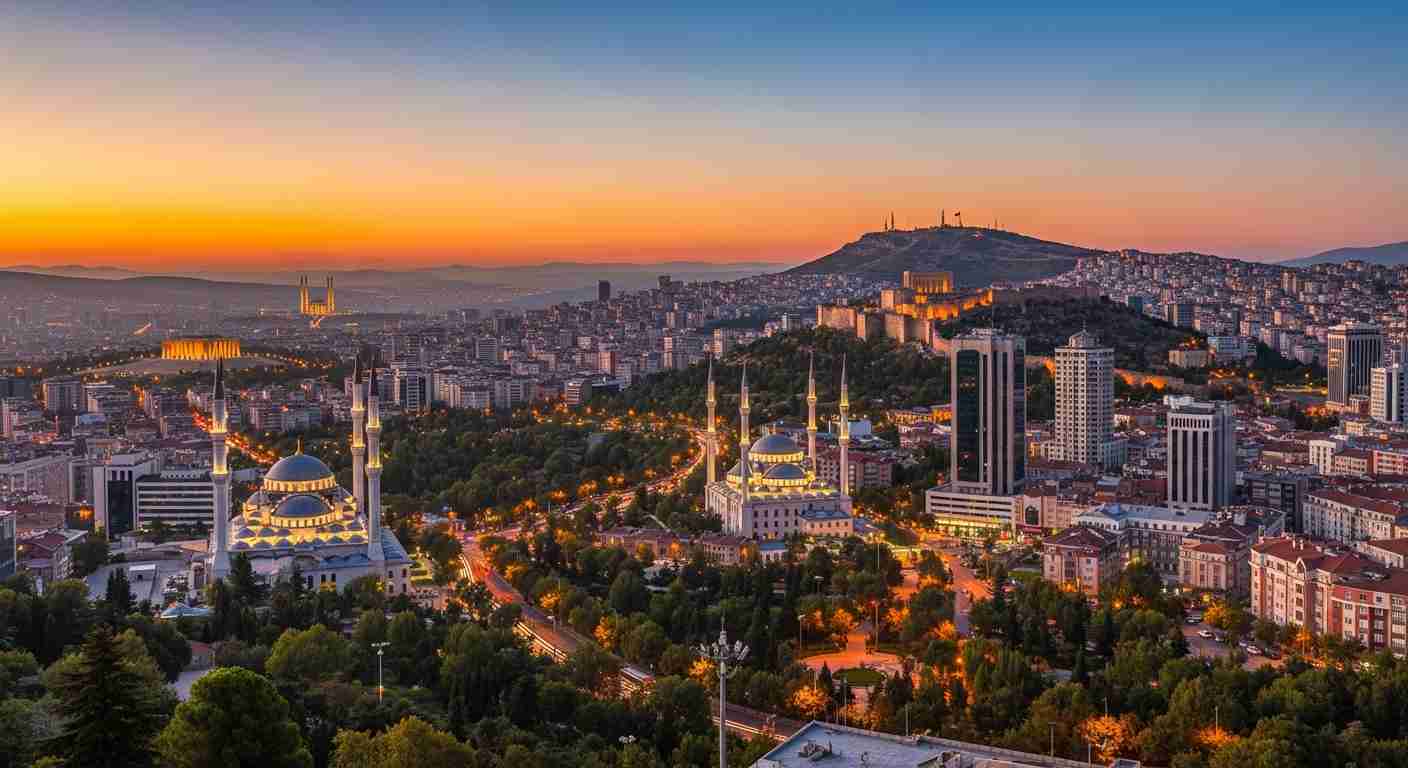
Ankara City
A Brief History of Ankara
Ankara's past isn't just rich—it's layered like an ancient manuscript written over and over. Long before it became the bustling capital of modern Turkey, it was a significant settlement in Anatolia, dating back to the Bronze Age. Civilizations such as the Hittites, Phrygians, Lydians, Persians, Romans, Byzantines, and eventually the Ottomans each ruled this land, and every single one left behind architectural, cultural, and spiritual traces.
The city's ancient name, "Ankyra," means “anchor” in Phrygian. According to legend, it was founded by King Midas himself. During the Roman Empire, Emperor Augustus made it a key administrative center. Even today, you can visit Roman ruins like the Temple of Augustus, Roman Baths, and ancient city walls that silently whisper tales of antiquity.
Ankara’s transformation from a small Anatolian town to the capital of the Republic is perhaps its most dramatic turn. When Mustafa Kemal Atatürk led the Turkish War of Independence in the early 20th century, he needed a centrally located, neutral base—away from the Ottoman influence of Istanbul. Ankara was chosen and declared the capital in 1923. Since then, it has grown rapidly into a city of over 5 million people, now serving as Turkey’s political and administrative heart.
But it hasn’t forgotten its past. Walk through Ulus, and you'll find Ottoman-era mosques nestled beside Roman ruins. Visit the Museum of Anatolian Civilizations, and you’ll journey through 10,000 years of Anatolian history in a single afternoon. Ankara is a city that thrives in the present but respects and displays its ancient soul proudly.

Getting to Ankara
By Air, Rail, and Road
Ankara is incredibly accessible. Whether you're flying in, driving, or hopping on a train, getting to the city is convenient and efficient. The Esenboğa International Airport (ESB), located about 28 km northeast of the city center, handles both domestic and international flights. Major airlines, including Turkish Airlines, Pegasus, and AnadoluJet, operate here, linking Ankara to global hubs and all major Turkish cities.
If you prefer land travel, Ankara's central location makes it a major railway junction. The Ankara High-Speed Train (YHT) connects the capital with Istanbul, Eskişehir, Konya, and soon, Sivas, cutting travel time drastically. The Ankara Train Station (Gar) is modern and well-connected to the rest of the city via metro and buses.
Driving? No problem. Major highways like E90 and D200 lead straight to Ankara. You can also find comfortable intercity buses running frequently from every part of Turkey. Companies like Kamil Koç, Metro Turizm, and Pamukkale offer budget-friendly, comfortable trips with onboard Wi-Fi, snacks, and entertainment.
Best Time to Visit
Timing is everything when visiting Ankara. The city experiences a continental climate—hot, dry summers and cold, snowy winters. If you want to explore the city in comfort, plan your trip between April and June or September and October. These months bring mild temperatures, fewer tourists, and beautiful natural backdrops.
Winter can be magical if you're into snowy scenes and warm cafes, but be ready for sub-zero temperatures. Summer, on the other hand, gets quite hot, often hitting 35°C (95°F) or more, but it's dry heat—so it's still manageable.

Ankara map
Ankara is bordered to the north by Cankiri, to the northwest by Bolu, to the west by Eskişehir, to the south by Konya, and to the southeast by the city of Qarşehir and Aksaray.
Top Attractions in Ankara
Ankara isn’t just a city of politics and parliament—it’s a treasure chest of landmarks, history, and experiences. Whether you're a history buff, a casual tourist, or someone just looking to discover something new, Ankara offers some of the most underrated gems in Turkey. Let’s dive into the city’s must-see spots.
Anıtkabir: The Mausoleum of Atatürk
No trip to Ankara is complete without visiting Anıtkabir, the grand and solemn mausoleum of Mustafa Kemal Atatürk, the founder of the Republic of Turkey. Perched atop Anıttepe, the structure is visible from several parts of the city and draws millions of visitors each year—both locals and international tourists.
The architecture is stunning. Designed by Emin Onat and Orhan Arda, Anıtkabir seamlessly blends modern lines with classical and traditional Turkish motifs. The road leading to the mausoleum, known as the Lions' Road, is lined with twelve pairs of stone lions—symbolizing strength and power.
Inside, the museum houses personal belongings of Atatürk, a detailed walkthrough of Turkey’s War of Independence, and even some of Atatürk’s handwritten notes and letters. It’s not just a mausoleum; it's a storytelling monument that reminds visitors of how Turkey was reshaped under Atatürk’s vision.
Visiting Anıtkabir is a deeply emotional experience for many Turks. Whether you're into history or not, the quiet majesty and national pride in this place are hard to ignore. You can feel the weight of a nation’s transformation within those stone walls.
Museum of Anatolian Civilizations
History lives here—literally. If there's one place in Ankara that encapsulates the deep, ancient roots of Anatolia, it's this museum. Situated at the foot of Ankara Castle in the historic Ulus district, the Museum of Anatolian Civilizations houses artifacts from Paleolithic to Ottoman periods.
Expect to see mind-blowing relics from the Hittite Empire, mesmerizing stone reliefs from the Assyrian trade colonies, and rare pieces from Çatalhöyük, one of the oldest known cities in human history. Each artifact tells a story of the people who shaped Anatolia long before the Turks arrived.
The building itself—restored from two Ottoman-era market halls—adds a layer of ambiance to the experience. It’s quiet, elegant, and intellectually rich. You don’t need to be an archaeologist to enjoy this place; just bring your curiosity, and you’ll leave amazed.
Ankara Castle: A Journey Through Time
If you want panoramic views of the city mixed with a dose of medieval flair, Ankara Castle (Ankara Kalesi) is your spot. This massive fortification, located in the heart of the old city, dates back to Roman, Byzantine, and Seljuk times—and parts of it were even rebuilt during the Ottoman period.
Climbing to the top of the inner fortress rewards you with breathtaking 360° views of Ankara’s evolving skyline—from historic rooftops to modern skyscrapers. Inside the walls, you’ll find traditional Ottoman houses, craft shops, local art galleries, and cafés tucked into every corner.
The area around the castle, especially Kaleiçi, is full of charming alleys paved with cobblestone. Wander around and you’ll stumble upon artisans selling handmade copperware, old bookshops, or perhaps a local musician playing a Turkish saz in the background. The vibe here is slow, nostalgic, and incredibly photogenic.
Atakule and Panoramic Views
If you're looking to get a bird’s eye view of Ankara without climbing ancient stairs, Atakule is your answer. Standing tall in the Çankaya district, Atakule is a 125-meter-high observation and communication tower—and one of Ankara’s most recognizable landmarks.
What sets it apart? The rotating restaurant at the top. While you dine, the floor slowly rotates, giving you a constantly shifting view of the city. It's a surreal experience, especially at sunset, when Ankara glows in golden hues.
Recently renovated, Atakule now hosts a modern shopping mall, gourmet eateries, and vibrant event spaces. It's a perfect blend of leisure, luxury, and that unique urban energy Ankara has been cultivating.

Cultural Highlights of Ankara
Ankara might be the political nucleus of Turkey, but it’s also a cultural powerhouse. From opera and ballet to contemporary art and underground music scenes, the capital city is surprisingly diverse and expressive. Unlike the overwhelming cultural saturation of Istanbul, Ankara’s scene feels more intentional, curated, and in many ways—more accessible.
Art Galleries and Theatres
The art scene in Ankara is thriving. You’ll find everything from government-funded institutions to independent galleries tucked away in the backstreets of Tunalı Hilmi or Çankaya.
One of the standout institutions is the CerModern, Ankara’s premier center for contemporary art. Set in a converted railway maintenance workshop, the space is industrial and artistic at the same time, hosting photography exhibitions, sculpture shows, and interactive art projects. Whether you're an art student or just someone who appreciates visual storytelling, CerModern always has something stimulating.
When it comes to theatre, Ankara shines. The city is home to the State Theatres of Turkey, and venues like the Ankara Opera House and Devlet Tiyatroları regularly present operas, ballets, and plays. Ticket prices are incredibly affordable, making high art accessible to all. The productions often feature original Turkish works as well as global classics, performed at a professional level that rivals any European city.
Traditional Turkish Music and Folklore
Music lovers, prepare for a cultural dive. Ankara is a fantastic place to experience traditional Turkish folk music, known as Türkü, especially in live, intimate settings. The saz (bağlama), a long-necked lute, is often at the heart of these performances, telling stories of love, war, and Anatolian life.
You can find folk nights at local meyhanes (taverns) or small performance halls, particularly in areas like Sakarya Caddesi or Bahçelievler. These performances often turn into communal sing-alongs—no translation needed when music connects everyone.
Ankara is also home to a variety of folk dance festivals, particularly in spring and early summer. Events hosted by universities and cultural centers feature colorful costumes, rhythmic footwork, and centuries-old traditions brought back to life on stage.
Festivals and Annual Events
Ankara may be more buttoned-up than some coastal cities, but it still knows how to throw a party. The city’s cultural calendar is packed with events that celebrate everything from film to food.
Ankara International Film Festival – An annual must-see for cinema buffs, this festival features independent Turkish films alongside international entries.
International Music Festival – Organized by the Sevda-Cenap And Music Foundation, this prestigious event attracts world-class orchestras and soloists from around the globe.
Comic and Gaming Conventions – Ankara’s younger generation has fostered a buzzing cosplay and gaming scene, with annual meetups, tournaments, and events growing bigger every year.
These events reflect Ankara’s dual character: deeply traditional and ambitiously modern, serious but full of life.
Real Estate and Housing in Ankara
Ankara is not only the administrative heart of Turkey, but also one of the most stable and promising cities for real estate investment. Thanks to its organized infrastructure, diverse neighborhoods, and relatively lower prices compared to Istanbul, Ankara attracts both local and foreign investors, as well as families looking to settle down long-term.
Overview of the Property Market
Real estate prices in Ankara vary significantly depending on location, proximity to amenities, age of the building, and neighborhood reputation.
Central areas like Çankaya and GOP (Gaziosmanpaşa) are considered upscale and have higher property values.
Districts on the outskirts such as Etimesgut, Sincan, or Mamak offer more affordable housing options, ideal for families or first-time buyers.
Rental Prices (as of 2026)
| Apartment Type | Central Area (TL/month) | Outskirts (TL/month) |
|---|---|---|
| 1+1 Apartment | 10,000 – 15,000 | 7,000 – 9,000 |
| 2+1 Apartment | 12,000 – 20,000 | 8,500 – 12,000 |
| 3+1 Family Apartment | 18,000 – 30,000 | 13,000 – 20,000 |
Property Purchase Costs
Average price per square meter: TL 25,000 – 45,000
In premium areas like Çankaya or Oran, this can go up to TL 60,000/m²
New housing projects and gated communities tend to be more expensive but offer added amenities like security, gyms, and pools.
Opportunities for Investors
Properties near universities or government institutions offer strong rental potential.
Ankara’s rental yield is relatively higher than other major cities in Turkey.
Government-backed projects (e.g., TOKİ) and cooperatives provide affordable options for low to mid-income families.
Cost of Living in Ankara
Ankara strikes a balance between big-city convenience and affordable living. Compared to Istanbul or İzmir, everyday expenses in Ankara—especially housing and transport—are notably lower, making it an ideal city for students, professionals, and families.
Average Monthly Expenses (Single Person)
| Expense Category | Average Cost (TL/month) |
|---|---|
| Rent (1-bedroom flat) | 12,000 |
| Utilities (electricity, water, gas) | 2,000 |
| Internet + Mobile | 600 |
| Transportation (Ankarakart) | 600 |
| Groceries | 4,000 |
| Social activities | 2,000 |
| Total | ~21,000 TL/month |
Cost of Living for Families (4 people)
A family renting a 3-bedroom apartment in a mid-range neighborhood can expect:
Monthly cost of living: TL 35,000 – 45,000
Public schools are free, but private schools range from TL 60,000 to 200,000 per year, depending on the institution.
Tips to Save Money
Shop at weekly farmers' markets (pazar) for fresh and cheap produce.
Use public transportation over taxis.
Eat at lokantas (local restaurants) for budget-friendly, home-style meals.
Job Market and Career Opportunities in Ankara
Ankara isn’t just the center of politics—it’s also a growing hub for education, technology, healthcare, and defense industries. Whether you're a fresh graduate, expat, or remote worker, Ankara offers a wide range of career paths.
Top Sectors for Employment
Public Sector & Government Jobs: The city houses all government ministries, offering thousands of roles in administration, law, and public policy.
Defense Industry: Home to global players like ASELSAN, TAI, ROKETSAN, Ankara leads Turkey’s defense and aerospace development.
Education: With several major universities and private schools, there's always a demand for qualified teachers and academic staff.
Healthcare: Both public and private hospitals are constantly recruiting doctors, nurses, technicians, and support staff.
Tech & Startups: Ankara’s Technoparks, especially those at METU and Bilkent, are incubating hundreds of startups in software, AI, and hardware.
Average Monthly Salaries by Profession (2026)
| Profession | Average Net Salary (TL) |
|---|---|
| Teacher | 25,000 |
| Engineer | 30,000 – 50,000 |
| Software Developer | 35,000 – 70,000 |
| Doctor | 45,000 – 80,000 |
| Civil Servant | 20,000 – 40,000 |
Family Life and Child-Friendly Living in Ankara
Ankara is one of the best cities in Turkey for raising children. It’s clean, organized, safe, and full of educational and recreational opportunities. Whether you’re a local or an expat, Ankara offers a high quality of life for families.
Facilities for Children
Parks and Playgrounds: Spacious, well-maintained parks like Gençlik Parkı, Göksu Park, and Atatürk Forest Farm offer safe spaces for children to play and explore.
Cultural Activities: Museums like the Toy Museum, Science Center, and interactive exhibitions make learning fun.
Sports Clubs & Courses: Football, swimming, basketball, music, and language classes are available citywide.
Education Options
Public schools are free and offer decent quality education, especially in central neighborhoods.
Private and international schools: Ankara hosts top-tier schools like:
TED Ankara College
BLIS (Bilkent Laboratory and International School)
ISA (International School of Ankara)
These schools follow IB or Cambridge curricula and offer multilingual education.
Healthcare and Child Safety
Ankara’s hospitals are well-equipped for pediatric care.
Access to emergency services, vaccinations, and specialized child health clinics is readily available.
Neighborhoods like Çankaya, Oran, Yaşamkent, and İncek are ideal for families due to their security and proximity to services.
Modern Lifestyle in Ankara
Shopping Malls and Local Markets
Ankara is a shopper’s playground. From upscale malls to vibrant bazaars, the city caters to all shopping styles and budgets. If you’re into sleek, air-conditioned shopping experiences, check out malls like Armada, Panora, or Ankamall. These sprawling complexes house everything from global fashion brands like Zara and H&M to gourmet food courts, cinemas, and even ice rinks.
But don’t miss the local markets, which are often more rewarding. Samanpazarı, near Ankara Castle, is great for traditional crafts, copperware, and antiques. Ulus Pazarı offers an authentic street-market experience with clothes, spices, and household items at bargain prices. Want fresh produce? Try Çiftlik Pazarı on weekends—organic fruits, Turkish cheeses, olives, and homemade jams await.
Cafés, Bars, and Nightlife
Ankara's nightlife might not scream glitz and glam, but it’s genuine and eclectic. Areas like Tunali Hilmi Caddesi, Kavaklıdere, and Kızılay come alive at night with stylish cafés, student-filled bars, and live music venues.
Cafés here are social hubs. Whether you want to sip Turkish coffee while reading a book or have a deep political debate over lattes, there's a space for you. Many spots offer outdoor seating, especially charming in spring and autumn.
For something livelier, pubs and meyhanes (Turkish taverns) offer local beers, mezes, and often live music. If you're into electronic or rock scenes, Ankara surprises with underground clubs and indie venues like IF Performance Hall and Hayal Kahvesi.
Sports and Recreation
Ankara’s altitude and climate make it perfect for year-round outdoor activities. The city boasts numerous parks, bike trails, and recreational centers. Gençlik Parkı and Seğmenler Parkı are popular green escapes within the urban sprawl.
For fitness lovers, there are plenty of gyms, pilates studios, and crossfit centers across the city. Into team sports? Ankara has competitive football and basketball teams, and locals often gather to cheer on clubs like Gençlerbirliği or Ankaragücü.
Winter? No problem. The Elmadağ Ski Center, just 45 minutes from the city, offers skiing and snowboarding with scenic views and fewer crowds than bigger resorts.
Neighborhoods in Ankara
Ankara is a city of contrasts. From bustling student districts to quiet, upscale residential areas, every neighborhood here has its own flavor and rhythm. If you’re planning to live in Ankara—or just explore beyond the tourist spots—it helps to understand what each area offers. Let’s break down the key neighborhoods that define the capital’s character.
Çankaya: The Political and Cultural Heart
Think of Çankaya as Ankara’s power center. It’s home to the Presidential Palace, many foreign embassies, and countless ministries. But it’s not all suits and protocols—Çankaya is also where the city’s cultural pulse beats strongest.
This district boasts elegant streets, lush parks, museums, and modern high-rise apartments. Living here means you're close to Atakule, major diplomatic centers, and iconic cultural spaces like CerModern and the State Art and Sculpture Museum.
The vibe? Professional and polished. Çankaya is popular among expats, diplomats, politicians, and upper-middle-class locals. It's also safe, clean, and loaded with excellent restaurants, boutique cafés, and international schools. If you want a blend of prestige and comfort, this is the place.
Kızılay: The Beating Commercial Heart
Welcome to the real center of Ankara. Kızılay is a hive of activity, full of life, noise, and movement. It’s where locals shop, students hang out, and protestors rally. The Kızılay Square and Guvenpark are landmarks in their own right, always teeming with pedestrians, buses, and life.
This area is ideal for people who thrive in fast-paced environments. Affordable apartments, student dorms, and office buildings stand side by side. There's a strong youth culture here, largely due to nearby universities like Ankara University and Hacettepe.
Want to eat something quick and delicious? Kızılay’s full of street food stalls, tea houses, fast-food joints, and local eateries offering everything from döner kebab to vegan wraps.
It’s not the quietest area, but it’s connected by all metro lines, making it one of the best places to stay if you're new to Ankara and want to get around easily.
Ulus: The Historic Core
Step into Ulus and you’re stepping back in time. This is Ankara’s old soul, filled with historic mosques, Roman ruins, traditional markets, and cobbled streets. Here you’ll find Ankara Castle, the Museum of Anatolian Civilizations, and the Ethnography Museum, among many others.
The streets are lined with Ottoman-era architecture, antique shops, and old-school eateries. It's a favorite spot for budget travelers and history lovers.
While Ulus is rich in culture, it’s more traditional and slower-paced. Some areas may feel a bit worn, but that's part of the charm. Locals come here for affordable shopping at places like Ulus Hali (market), and tourists come to walk through the past.
Bahçelievler & Tunalı Hilmi: Trendy and Youthful
These two neighborhoods are where Ankara’s youth and creativity come to life.
Bahçelievler, also known as “7th Street” by locals (referring to its most famous avenue), is a lively residential area filled with cafes, bookstores, and bars. It’s close to universities, so students love it here. The vibe is laid-back, artistic, and full of energy. Every corner hides a cozy café or a live music bar.
Tunalı Hilmi, on the other hand, is one of Ankara’s trendiest streets. Think high-street fashion, cute boutiques, gourmet restaurants, and the city’s best dessert spots. Kuğulu Park, a small park famous for its swans, sits right at the end of Tunalı—a perfect chill spot.
Both areas are walkable, relatively safe, and ideal for young professionals, creatives, and anyone who wants to live in a place that feels alive 24/7.
Cuisine in Ankara
You can’t truly know a city until you’ve tasted it—and Ankara doesn’t disappoint. From traditional Turkish comfort food to gourmet dining, Ankara’s food scene is as diverse and rich as its history. While it may not be as internationally known as Istanbul’s culinary landscape, Ankara has its own flavors, deeply rooted in Anatolian culture.
Must-Try Traditional Dishes
Let’s start with the classics. When in Ankara, you absolutely must try:
Beypazarı Güveci – A slow-cooked lamb and vegetable dish, traditionally made in clay pots. Originating from the nearby town of Beypazarı, it’s rich, hearty, and full of flavor.
Ankara Tava – A local specialty featuring rice and lamb baked together with tomatoes and spices. It’s comfort food on another level.
Çubuk Turşusu – Pickles from the Çubuk district of Ankara are famous all over Turkey. Served as a side or snack, they add a zesty crunch to any meal.
Tantuni & Döner – While not exclusive to Ankara, the city’s döner shops are among the best. Grab a sandwich from a street vendor—it’ll probably cost less than a coffee, and be 10x more satisfying.
And don’t forget lokma or baklava for dessert. Sweet, sticky, and heavenly.
Best Restaurants and Local Eats
For traditional food, head to Hacı Arif Bey or Boğaziçi Lokantası—local favorites that serve up classic Turkish dishes in a clean, family-friendly setting. Göksu Restaurant is a bit upscale but well worth it for its ambiance and Anatolian dishes with a modern twist.
Looking for vegan or vegetarian options? Ankara's catching up with the global trend. Spots like Vegihi, Zencefil, and Çiçek Vegan are leading the way with creative, flavorful plant-based menus.
For an authentic local experience, eat at an esnaf lokantası (tradesmen’s restaurant). These places serve affordable, homemade dishes, often buffet-style, and are frequented by locals on lunch breaks.
Street Food Guide
Ankara's street food is simple, satisfying, and ridiculously cheap. Try:
Simit – A sesame-covered bread ring. Buy one from a street cart and enjoy with tea.
Midye Dolma – Stuffed mussels with spiced rice and lemon, often sold in the evening near Kızılay.
Kokoreç – Grilled lamb intestines seasoned with herbs. A little wild? Maybe. Delicious? Absolutely.
Kumpir – A massive baked potato loaded with toppings like cheese, olives, corn, and sausage.
Street food is a big part of Ankara’s daily life. Whether you're rushing to class or walking through a park, these tasty bites are everywhere—and they’re part of the city’s soul.
Education and Universities in Ankara
Ankara isn't just the capital of Turkey's government—it's also a capital of education and innovation. Home to some of the best universities in the country, the city draws students from all over Turkey and the world. This strong academic presence infuses the city with youthful energy, intellectual discourse, and cultural diversity.
Top Universities in Ankara
Ankara boasts several world-renowned institutions that lead in education, research, and international cooperation.
Middle East Technical University (METU / ODTÜ) – One of Turkey’s top public universities and globally respected for its engineering, natural sciences, and architecture programs. The campus is massive, with beautiful green spaces, student cafes, libraries, and even its own forest!
Bilkent University – A private university with a strong reputation in arts, humanities, social sciences, and engineering. Known for its cutting-edge research and international collaborations.
Hacettepe University – Especially strong in medicine and health sciences, Hacettepe is where many of Turkey’s best doctors and researchers are trained. The medical faculty's hospital is also one of the top in the country.
Ankara University – One of the oldest universities in Turkey, with faculties ranging from law and political sciences to theology and agriculture. It plays a huge role in Turkey's legal and political development.
TOBB University of Economics and Technology (TOBB ETÜ) – Known for its close ties to the business world and industry, this relatively newer university offers innovation-focused programs and cooperative education.
Student Life and International Appeal
With over half a million students, Ankara has a youthful, dynamic feel. University campuses here are not just educational spaces—they’re mini cities with libraries, cinemas, food courts, dormitories, and cultural centers.
International students will find plenty of support services, especially at METU and Bilkent, including English-taught programs, international dorms, and cultural integration activities. Plus, many of the professors in Ankara's top universities are Western-educated, fluent in English, and deeply involved in international research projects.
Outside campus, areas like Bahçelievler, 100. Yıl, and Beşevler are filled with affordable cafés, bookstores, bars, and co-working spaces. It’s not just about studying—it’s about growing, networking, and living fully.
Whether you’re here for a semester, a degree, or a research fellowship, Ankara's academic scene will push you to think deeper, dream bigger, and make global connections.
Living in Ankara as an Expat
If you’re considering moving to Ankara, you’ll be pleasantly surprised. While it doesn’t scream “expat haven” like Istanbul or Antalya, Ankara offers a high quality of life, especially for those working in diplomatic, academic, or international sectors. It’s clean, organized, culturally rich, and safer than many other global capitals.
Cost of Living
Ankara is generally more affordable than Istanbul, particularly when it comes to housing, dining, and entertainment.
- Rent: A one-bedroom apartment in a central area like Çankaya can cost between 8,000–15,000 TRY per month, depending on amenities. In outer neighborhoods, prices are significantly lower.
- Utilities: Electricity, heating, internet, and water for a small apartment typically cost around 1,500–2,500 TRY monthly.
- Transportation: The ANKARAKART system offers cheap access to metro, buses, and trains—monthly public transport costs rarely exceed 500–700 TRY.
- Groceries: Fresh produce and local food are very affordable. You’ll find that weekly shopping at neighborhood markets costs less than in Western cities.
Safety and Healthcare
Ankara is considered one of the safest cities in Turkey, especially in residential and diplomatic areas like Gaziosmanpaşa and Oran. Violent crime is rare, and the city is heavily monitored due to its political importance.
Healthcare is high-quality and affordable, especially at university hospitals like Hacettepe and Başkent. Expats can access public or private healthcare with proper insurance. Many doctors and staff speak English in private facilities, making it easier for foreigners.
Language and Communication
While Turkish is the dominant language, English is commonly spoken in academic institutions, foreign missions, and larger businesses. However, learning basic Turkish will make daily life easier and help you connect with locals more deeply.
There are many language schools and private tutors in Ankara offering Turkish courses for expats. Apps like Duolingo and Tandem are also great for practice.
Living in Ankara isn’t just about adapting—it’s about thriving in a city that respects tradition but embraces the future.
Transportation in the City
Getting around Ankara is straightforward, affordable, and efficient. Whether you're commuting for work or exploring the city’s attractions, public transportation and modern infrastructure make life easy—even without a car.
Metro, Buses, and Taxis
The city’s public transit is powered by a unified system using the ANKARAKART, a contactless smart card valid on metros, buses (EGO), and suburban trains.
- Metro: Ankara has four main metro lines (M1 to M4) covering major residential and commercial areas. Stations are clean, safe, and marked in both Turkish and English.
- Ankaray: A light rail line connecting the east and west ends of the city, including key stops like Kızılay and AŞTİ (bus terminal).
- Buses: The EGO bus network is extensive and reaches places the metro doesn't. Buses run frequently and are extremely affordable.
- Dolmuş: Shared minibuses that run fixed routes. They’re faster than buses and popular with locals, but they don’t always follow strict schedules.
- Taxis: Taxis are everywhere and relatively cheap compared to European cities. Just make sure the meter is running to avoid scams.
Navigating Like a Local
Here are a few insider tips:
- Download the EGO Cepte app for real-time bus tracking.
- Use Google Maps or Moovit for accurate metro directions.
- Try BiTaksi or Martı (for e-scooters) to book rides conveniently.
Ankara's traffic can get heavy during rush hour, but with the right planning, public transport is more than sufficient. And for those who prefer cycling, new bike lanes and park systems are slowly growing across the city.
Day Trips from Ankara
One of the best things about Ankara is its strategic central location, which makes it a perfect base for day trips or quick weekend getaways. Whether you’re into history, nature, or local culture, the surrounding regions offer a variety of experiences—all within a couple of hours' drive.
Beypazarı: Ottoman Charm in Every Corner
Just a 90-minute drive west of Ankara, Beypazarı is a hidden gem that feels like stepping into a different era. Known for its well-preserved Ottoman architecture, this small town boasts wooden houses with overhanging balconies, cobbled streets, and artisan shops that sell traditional crafts.
While in Beypazarı, don’t miss:
The Living Museum, where actors reenact traditional Turkish village life.
Local foods like Beypazarı Kurusu (a crunchy, savory pastry) and 80-layer baklava.
Beautiful scenery in Inözü Valley, perfect for hiking and photography.
The town is also famous for its silverwork (telkari) and carrot production—yes, seriously. You’ll find carrot juice, carrot jam, even carrot ice cream!
Lake Eymir: Nature’s Calm Within the City
If you're looking for nature without leaving the city, Lake Eymir is your sanctuary. Located just 20 minutes from central Ankara, this peaceful lake, managed by METU, is a favorite among locals for jogging, biking, picnicking, and rowing.
There are bike rental points, small cafes, and designated picnic areas. On weekends, the lake buzzes with families and students escaping the urban grind. Visit on a weekday for a quieter experience, and don’t forget your camera—the reflection of pine trees on the still water is picture-perfect.
Gordion: Home of the Gordian Knot
History buffs, this one’s for you. Just 80 km southwest of Ankara lies Gordion, the ancient capital of the Phrygian kingdom, where King Midas once ruled. This is where the legendary Gordian Knot was tied—and later, famously cut by Alexander the Great.
The archaeological site includes:
The Tumulus of Midas – one of the largest burial mounds in the world.
Gordion Museum – displaying artifacts from the Bronze and Iron Ages.
Excavated ruins, city walls, and gates dating back over 3,000 years.
Walking through Gordion feels surreal—it’s one of the few places where you can literally walk on history.
Business and Economy in Ankara
Ankara may not have the glitzy skyline of Istanbul, but it’s the beating heart of Turkey’s administration and industry. While much of the economy is centered around government services, the city has a growing private sector, flourishing tech scene, and a robust SME ecosystem.
Government and Public Sector
Being the capital, Ankara is home to:
All ministries
Major government agencies
Embassies and foreign missions
Military and judicial headquarters
This makes the city a hub for policy-making, public procurement, and international relations. The government sector provides a massive portion of employment in Ankara, and many locals work in administrative or civil service roles.
Technology and Startups
Surprisingly, Ankara is emerging as a tech hub, especially in sectors like defense, engineering, software development, and biotechnology. The OSTİM Industrial Zone and Technoparks connected to universities like METU and Hacettepe foster innovation and startup growth.
Major defense companies like ASELSAN, TAI, and ROKETSAN are based in Ankara, making the city a key player in Turkey’s defense exports.
The rise of co-working spaces, startup accelerators, and incubators—like METU Technopolis—has encouraged young entrepreneurs to stay in Ankara rather than move to Istanbul. The capital is quieter, more focused, and often, more affordable to launch a business.
Ankara for Families
Relocating to Ankara with your family? You’re in luck. The city offers a comfortable, stable, and family-friendly environment that makes it easy to raise children and enjoy a balanced life.
Schools and Education
Ankara has a wide selection of public and private schools, including international institutions such as:
Bilkent Laboratory and International School (BLIS)
TED Ankara College
International School of Ankara (ISA)
These schools offer English-language instruction, internationally recognized curricula (like IB), and multicultural student bodies—ideal for expat families.
Parks and Green Spaces
The city has made major investments in green areas. Parks like:
- Seğmenler Parkı
- Gençlik Parkı
- Atatürk Orman Çiftliği (Atatürk Forest Farm)
…are excellent for family outings, weekend picnics, and open-air activities. Many feature playgrounds, bike paths, duck ponds, and cafes.
Healthcare and Safety
Families will appreciate Ankara’s safe environment and top-tier healthcare system. Pediatric hospitals, private clinics, and emergency services are widespread and well-equipped. You’ll also find excellent prenatal and maternity care in private hospitals like Medicana or Memorial Ankara.
Life in Ankara is calm, structured, and predictable—exactly what many parents look for when raising kids.
Tips for First-Time Visitors to Ankara
So, you’ve booked your ticket to Ankara? Great choice! Whether you're visiting for business, education, or leisure, the capital has plenty to offer—but it’s a different experience from other Turkish cities like Istanbul or Izmir. To help you navigate the city smoothly and enjoy your stay to the fullest, here are some practical and cultural tips.
What to Pack
Ankara’s climate is continental, meaning hot summers and cold winters, with mild springs and autumns. What you pack depends heavily on the season:
Summer (June–August): Bring lightweight, breathable clothing, sunscreen, a hat, and sunglasses. The heat is dry, but intense.
Winter (December–February): Expect snow and freezing temperatures. Layer up with thermal wear, coats, gloves, and boots.
Spring/Fall: These are the best seasons to visit. A light jacket or sweater should be enough, but layering is smart due to fluctuating temperatures.
Don’t forget comfortable walking shoes. Even though Ankara has a great transport system, you’ll likely do plenty of walking, especially in historic areas like Ulus and Ankara Castle.
Local Etiquette
While Ankara is modern and progressive, traditional values still hold cultural weight. Here are a few unspoken rules that will help you blend in:
Greetings: A firm handshake and eye contact are standard. For closer friends, cheek kissing is common (usually once on each side).
Dress Code: Dress modestly in public spaces. While jeans and t-shirts are fine, overly revealing clothing might attract stares, especially in older districts.
Respect for Atatürk: Atatürk is deeply respected in Ankara. Avoid making casual or critical remarks about him—this is taken seriously by locals.
Shoes Off Indoors: If invited to someone’s home, remove your shoes at the door. Hosts usually provide slippers.
Tipping: Not mandatory, but appreciated. 5–10% at restaurants, round up taxi fares, and tip hotel staff for assistance.
Common Mistakes to Avoid
Here are a few rookie mistakes that first-timers often make—avoid these, and you’ll feel like a local in no time:
Assuming English is spoken everywhere – While younger people and professionals often speak some English, learning a few Turkish phrases like “Merhaba” (Hello) or “Teşekkürler” (Thank you) goes a long way.
Not carrying cash – Many places accept cards, but small cafés, buses, or markets may be cash-only.
Ignoring local cuisine – Don’t just stick to global chains. Try the simit, döner, and lokanta-style home cooking.
Overlooking museums – Ankara is full of fascinating museums beyond the popular ones. Try the Stamp Museum, Ethnography Museum, or TCDD Railway Museum.
Underestimating distances – Ankara is spread out. Use the metro or buses wisely to avoid long walks, especially in hilly areas like Çankaya or Ulus.
Lastly, relax and take your time. Ankara may not overwhelm you like Istanbul, but it grows on you—and by the time you leave, you might already be planning your next visit.
Conclusion
Ankara is the kind of city that doesn't try too hard to impress—but still does. It stands as a symbol of Turkey’s journey from empire to republic, blending ancient history with modern progress. It’s not flashy, but it’s deep, layered, and quietly fascinating.
Whether you’re walking through the ruins of ancient Gordion, sipping coffee in a modern Tunalı café, or watching the sunset from Ankara Castle, you’re constantly reminded that this city wears many hats—and wears them well.
From students to expats, diplomats to digital nomads, Ankara welcomes everyone with open arms and a calm confidence that’s rare to find in capitals. It’s a city that gives back what you put into it: curiosity, respect, and a little sense of adventure.
So next time someone mentions Turkey and only talks about Istanbul, smile—and tell them about the soul of the country, tucked away in the highlands of Anatolia. Tell them about Ankara.
FAQs
1. Is Ankara safe for tourists?
Yes, Ankara is generally very safe, especially in central and residential neighborhoods. As with any big city, use basic precautions—avoid isolated areas at night and watch out for pickpocketing in crowded places.
2. How many days should I spend in Ankara?
A 2-3 day trip is ideal to explore Ankara’s main attractions like Anıtkabir, the Museum of Anatolian Civilizations, Ankara Castle, and to enjoy the local food and culture. If you're planning day trips, consider 4-5 days.
3. What language is spoken in Ankara?
The official language is Turkish. While many people speak basic English—especially in universities, tourist spots, and businesses—learning a few Turkish phrases will greatly improve your experience.
4. Is Ankara good for digital nomads?
Absolutely. With fast internet, affordable living, and plenty of co-working cafes, Ankara is a solid choice for digital nomads looking for a quieter, less touristy base than Istanbul.
5. Can I get by with English in Ankara?
Yes, especially in professional and academic environments. In local neighborhoods and small businesses, English might be limited, but people are generally helpful and willing to communicate however they can.
The capital of Türkiye is the city of Ankara
Türkiye's currency is the Turkish Lira
Yes, Ankara is a city that welcomes foreigners and provides a safe and organized living environment. Cheap apartments for foreigners in Ankara represent a good investment, especially for those planning to live in Turkey long-term or seeking stable rental income away from the fluctuations of the tourist market.
Yes, you can. Since Ankara is a major city, the minimum property value required for a residence permit is $200,000. Therefore, you may need to buy one or multiple apartments whose total value exceeds this amount.
The main challenge is the condition of older buildings, which may require unexpected maintenance. It is very important to inspect the property carefully before purchase and ensure the legal documents are valid, especially the housing permit (İskan).
Have Question Or Suggestion ?
Please Share Your Thought, To Make It Real