2026 Istanbul Property Tax Values (Rayiç Bedel) & Investment Guide
Explore the 2026 Rayiç Bedel updates in Istanbul. Understand how new valuation scales impact property taxes, title deed fees, and real estate investments.
.jpeg)
Rayiç Bedel in Istanbul 2026: The Complete Guide to Property Valuation & Taxes
Thinking of buying or selling property in Istanbul in 2026? Then you’ve probably heard the term “Rayiç Bedel” tossed around. It’s more than just a fancy legal term—it's the cornerstone of Turkey’s real estate valuation system. Whether you're a seasoned investor or a first-time buyer, understanding what Rayiç Bedel means and how it affects your decisions is absolutely essential.
In 2026, Istanbul's property landscape is shifting dramatically. With rapid urban development, infrastructural mega-projects like Kanal Istanbul, and inflationary pressures, the Rayiç Bedel (official property value) has been updated across many neighborhoods. These changes can directly impact your buying price, the taxes you pay, and your overall property investment strategy.
In this article, we’ll break down everything you need to know about the 2026 updates to Rayiç Bedel in Istanbul. From how it's calculated, district-wise comparisons, how it impacts buyers and sellers, and how to dispute an unfair valuation—we’ve got you covered. So, let’s dive in.
What is Rayiç Bedel?
Rayiç Bedel is essentially the official monetary value assigned to a property or land by the local municipality. It’s not always the same as the market price but serves as a benchmark for various legal and financial transactions, including:
- Calculating property taxes
- Real estate purchases and sales
- Inheritance and gifting procedures
- Loan collateral evaluations
In simple terms, think of it as the government’s way of saying, “This is what we think your property is worth, at minimum.” It serves as the base price used in official paperwork, especially during title deed transactions.
Historically, the concept of Rayiç Bedel was introduced to bring structure and transparency to the Turkish property market. Previously, irregularities in property valuation led to underreported transactions, tax evasion, and disputes between buyers and sellers. Now, every district’s municipality regularly updates these values to reflect the city's growing and shifting property landscape.
How Rayiç Bedel is Calculated
You might be wondering: “How does the government even decide what a property is worth?” Good question.
Rayiç Bedel is calculated using a combination of data points that include:
- Location of the property (district, street, proximity to transport and amenities)
- Type of property (residential, commercial, land)
- Square meter value based on previous transactions
- Age and condition of the building
- Floor number and view (for apartments)
Municipalities gather this data by monitoring transaction records, market trends, and sometimes through field inspections. However, these values often lag behind real market conditions. For example, your property could be worth 5 million TL on the market but have a Rayiç Bedel of only 2 million TL. This gap can affect everything from your capital gains tax to your property sale strategy.
The 2026 updates aim to close that gap a bit more, aligning official values closer to the actual selling prices seen in Istanbul's neighborhoods.
Importance of Rayiç Bedel in Real Estate
You can’t afford to ignore Rayiç Bedel if you’re dealing with property in Turkey. Why?
Because it directly impacts:
- Title deed tax (Tapu Harcı): This is calculated as a percentage of the Rayiç Bedel.
- Capital gains tax: If you sell a property within 5 years of purchase, the gain is taxed based on the difference between your purchase and sale Rayiç Bedel.
- Inheritance tax: Again, calculated based on official values.
This means if Rayiç Bedel increases in your area, your taxes go up—even if you’re not planning to sell right away. On the flip side, it can work in your favor when applying for a mortgage or using your property as collateral for a loan. A higher official value might increase your borrowing limit.
In short, Rayiç Bedel is like the "official sticker price" for your property in the eyes of the government. It might not reflect market emotions, but it defines what you’ll be taxed on, how much you can borrow, and even your property's legal standing in disputes.
2026 Updates on Rayiç Bedel in Istanbul
So, what’s actually new in 2026?
The Istanbul Metropolitan Municipality, along with district offices, has implemented a city-wide revision of Rayiç Bedel values to reflect inflationary changes, infrastructure projects, and shifting real estate demand. Some highlights include:
- Increases of up to 80% in some central areas like Beşiktaş, Şişli, and Kadıköy.
- Major adjustments in districts affected by Kanal Istanbul and newly constructed metro lines.
- Revised unit square meter values for both land and built properties.
- Updated digital platforms allowing citizens to check their property's current Rayiç Bedel online.
For instance, in 2025, an apartment in Üsküdar might have had a Rayiç Bedel of 6,000 TL/m². In 2026, this has jumped to 10,000 TL/m² due to infrastructure upgrades and rising demand.
These changes are crucial for:
- Buyers: who might pay more in deed taxes
- Sellers: who must consider capital gains implications
- Investors: looking to buy before the next hike
Factors Influencing the 2026 Update
Understanding why Rayiç Bedel values have shifted so dramatically in 2026 is just as important as knowing the numbers themselves. These changes aren't random—they're shaped by several macro and microeconomic forces, especially in a dynamic, ever-growing metropolis like Istanbul.
Here’s what’s been driving the 2026 Rayiç Bedel update:
1. Inflation and Economic Conditions
Turkey has faced significant inflation in recent years, and 2026 is no exception. As the cost of construction materials, labor, and land skyrocketed, it was only a matter of time before municipal valuation systems caught up. Since Rayiç Bedel is reviewed periodically, this year’s revision was long overdue for many neighborhoods that had been undervalued in past years.
2. Urban Transformation Projects
Large-scale urban renewal (kentsel dönüşüm) has reshaped neighborhoods across Istanbul. From tearing down old buildings to replacing them with earthquake-safe, modern constructions, these upgrades have had a massive impact on property values. As the physical landscape of these areas changes, so too does their assessed value.
3. Mega Infrastructure Developments
Massive projects like Kanal Istanbul, new metro lines, highway expansions, and airport access routes have made certain regions much more accessible and desirable. This naturally causes a spike in demand—and in turn, an increase in Rayiç Bedel.
For example:
Properties near the Gayrettepe–Istanbul Airport metro have seen over 40% increase in valuation.
Land along the Kanal Istanbul corridor has jumped in value due to long-term investment speculation.
4. Neighborhood Popularity & Lifestyle Trends
Trendy districts like Moda, Cihangir, and Galata have experienced a renaissance in popularity, especially among young professionals and expats. This demand has pushed market prices up, forcing municipalities to reflect that increase in Rayiç Bedel valuations as well.
5. Governmental Policy Push
In 2026, the government introduced stricter controls on under-reported property sales, a tactic used to evade taxes. This included aligning the Rayiç Bedel closer to actual market rates. It’s a move to increase tax revenue and curb speculative behavior in the real estate market.
So, when we look at these updates, it's not just about rising numbers—it’s about a reflection of Istanbul's evolving urban DNA, shaped by policies, people, and progress.
District-Wise Rayiç Bedel Changes in Istanbul
One of the most noticeable shifts in the 2026 Rayiç Bedel update is the variation between different districts. While some areas saw moderate adjustments, others experienced massive jumps due to infrastructure upgrades, lifestyle appeal, and investment attention.

Here’s a look at the year-over-year comparison (2025 vs. 2026) of Rayiç Bedel in some major districts:
| District | 2025 Avg Rayiç Bedel (TL/m²) | 2026 Avg Rayiç Bedel (TL/m²) | % Increase |
|---|---|---|---|
| Beşiktaş | 12,000 | 21,000 | +75% |
| Kadıköy | 10,000 | 17,500 | +75% |
| Üsküdar | 8,000 | 13,500 | +68% |
| Başakşehir | 5,500 | 9,200 | +67% |
| Küçükçekmece | 4,500 | 7,800 | +73% |
| Pendik | 3,800 | 6,200 | +63% |
| Fatih | 6,500 | 10,000 | +54% |
| Beylikdüzü | 4,200 | 6,700 | +59% |
| Sarıyer | 11,000 | 18,000 | +64% |
Key Observations:
- Beşiktaş and Kadıköy top the list in increases due to demand, metro access, and historical charm.
- Küçükçekmece benefits from Kanal Istanbul’s proximity and planned zoning updates.
- Sarıyer's green spaces and upper-class housing make it an elite investment zone, causing sharp valuation spikes.
- Pendik and Başakşehir are among the rising stars due to new development zones and transport projects.
These numbers aren't just digits—they shape how much you’ll pay in taxes, what your real estate agents can charge, and how much mortgage banks are willing to lend you. Buyers, sellers, and investors alike must keep a close eye on these district-wise changes.
📊 Strategic Investment Opportunities Before the Next Valuation Adjustment
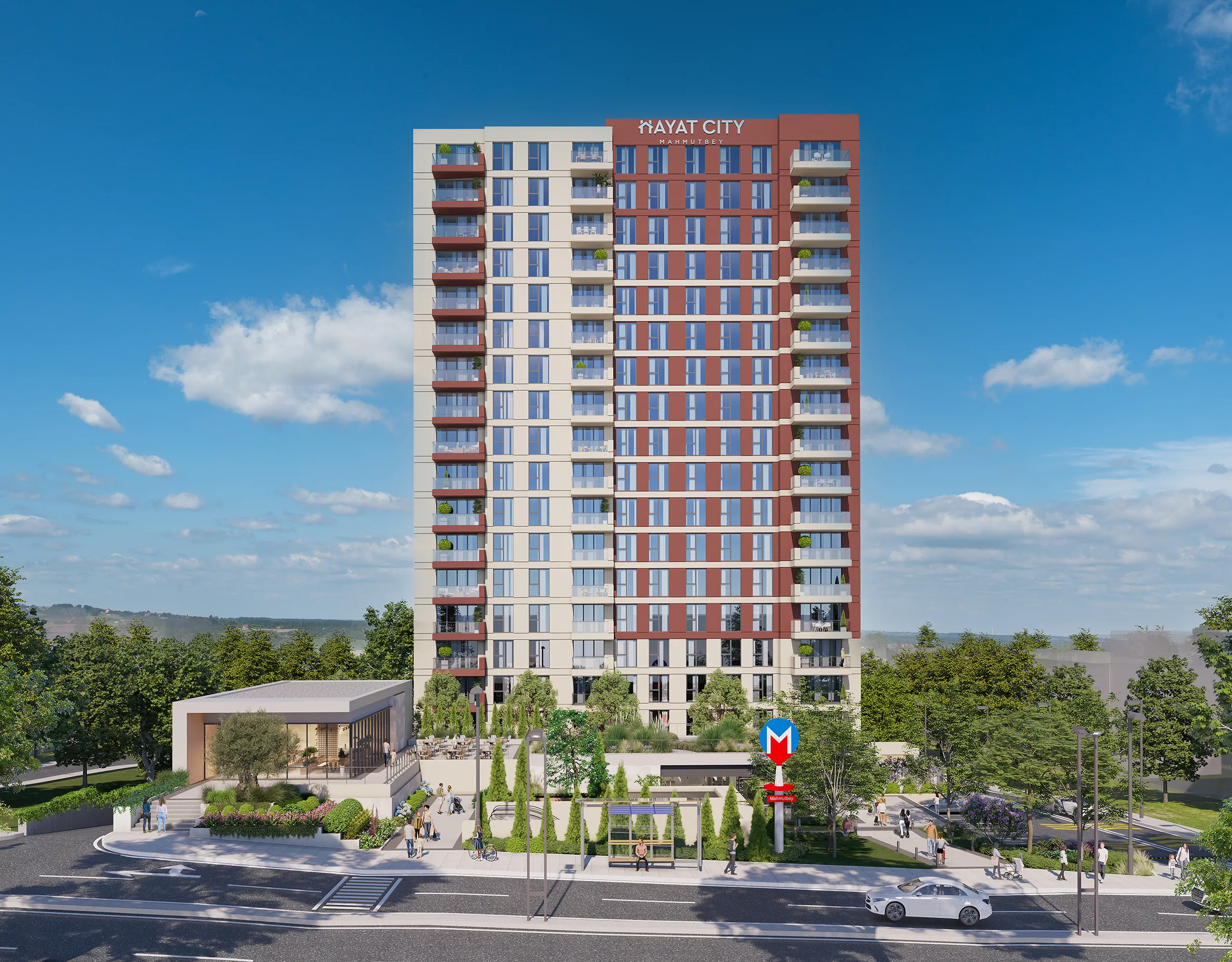
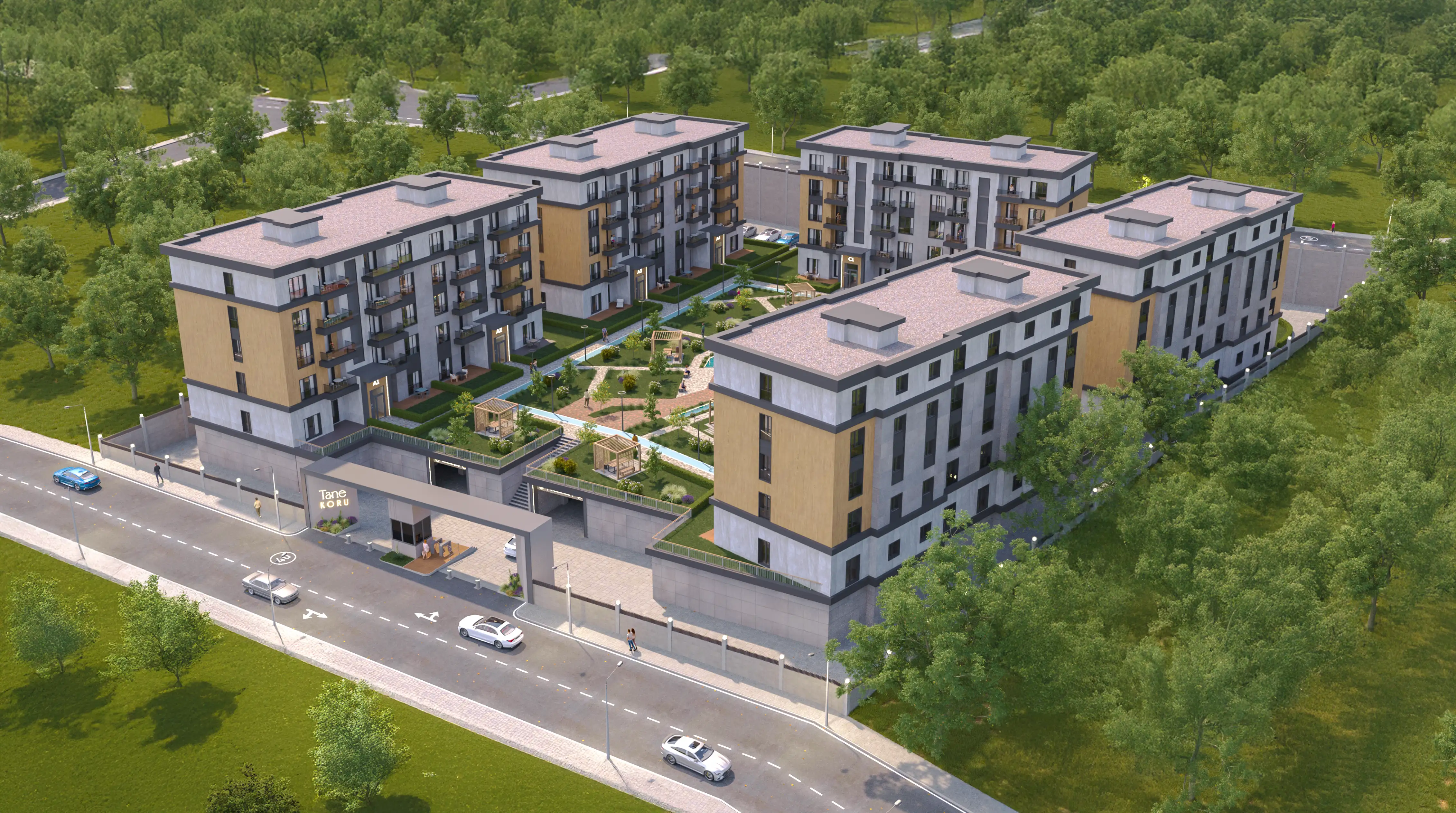
🏙️ Ebruli Başakşehir – Early-Stage Investment Advantage
A modern residential project in one of Istanbul’s fastest-growing districts, still priced below its projected official valuation despite rising Rayiç Bedel benchmarks.
👉 View project details & secure early pricing →
Impact on Property Buyers
If you’re planning to buy real estate in Istanbul in 2026, the updated Rayiç Bedel values are going to hit you directly in the wallet. But not all impacts are bad—let’s break it down.
How It Affects Buyers:
Higher Deed Registration Taxes
Since the title deed transfer tax (Tapu Harcı) is calculated as a percentage (typically 4%) of the Rayiç Bedel, a higher valuation means you’ll pay more taxes at closing.
Example: If the Rayiç Bedel is 1 million TL, your deed tax is 40,000 TL. But if it's updated to 1.5 million TL, you're now paying 60,000 TL.
Stronger Mortgage Applications
If the official value of your property rises, banks may consider your property higher in collateral value, potentially giving you access to larger home loans or better terms.
Greater Transparency
The new system discourages under-reporting. While this might seem like a burden, it also reduces risk. You’re less likely to buy a property with legal issues or tax problems now that the government is tightening control.
Budget Planning
For many foreign buyers or those using installment plans, the new values may affect eligibility. If your budget was based on 2025’s lower Rayiç Bedel, you may need to adjust your financing plan for 2026.
or this reason, many buyers in 2026 are focusing on districts where a visible gap still exists between Rayiç Bedel and actual market prices.
Coastal Regeneration Zones with Undervalued Official Prices
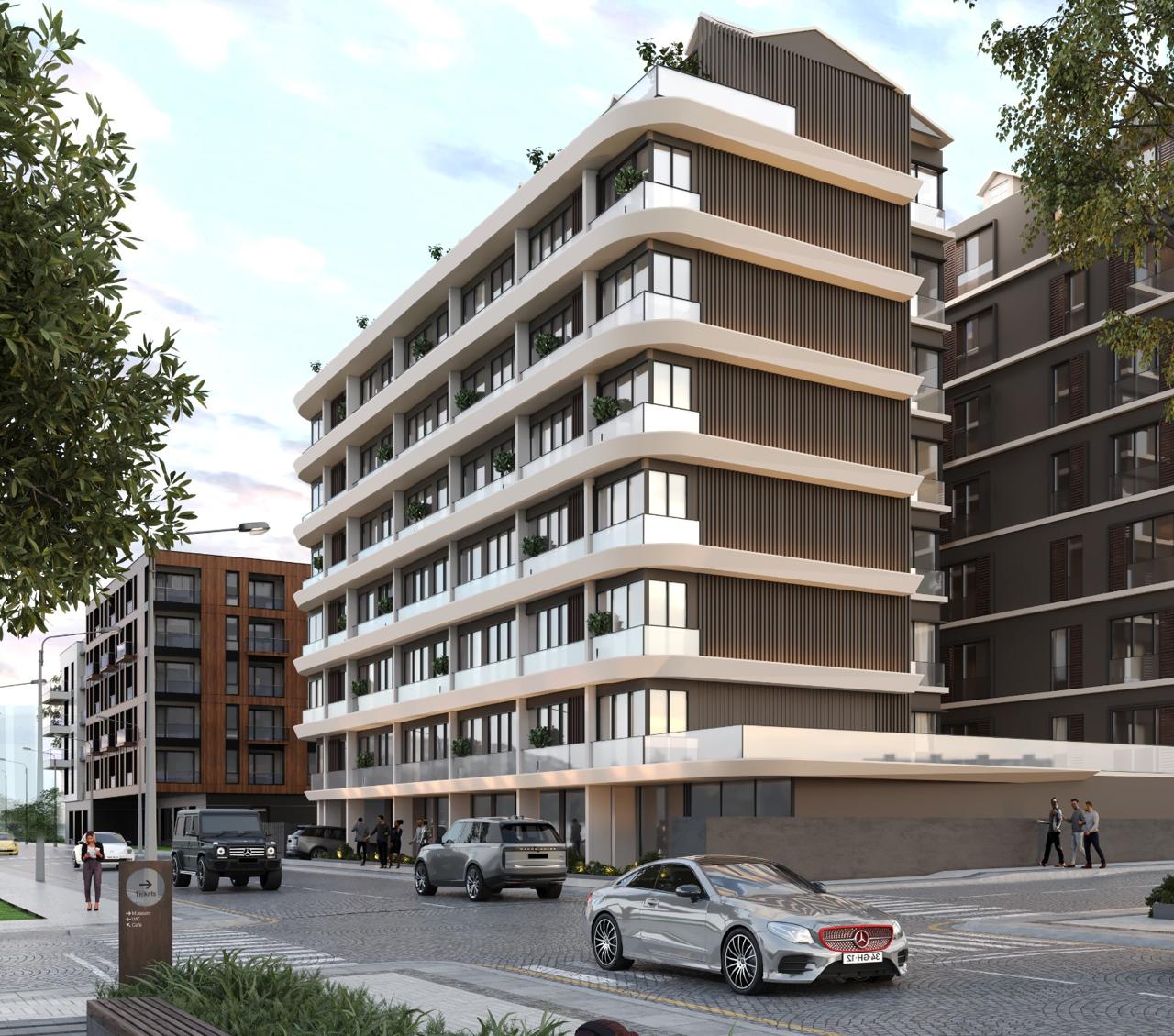
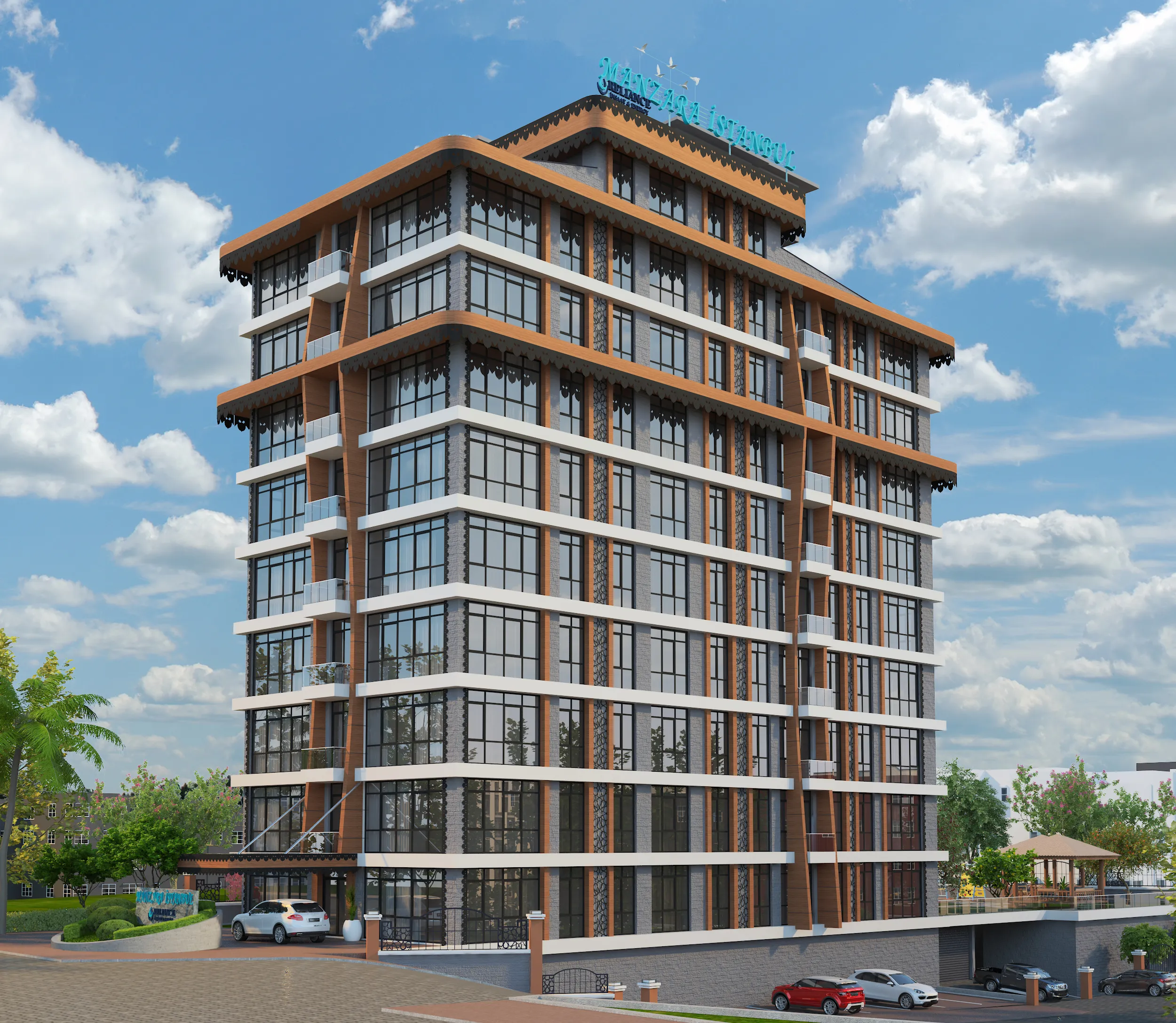
🏗️ Manzara Istanbul – Zeytinburnu Waterfront Investment
A large-scale residential project in a prime regeneration zone, where official values remain below actual market prices despite proximity to the coastline, Marmaray, and major highways—creating a clear upside for early investors.
👉 Explore the project & capture value before prices adjust →
Pro Tip:
Before purchasing, always check the most updated Rayiç Bedel value from the local municipality or e-devlet portal. Don’t rely solely on the agent’s word—double-check for yourself.
Impact on Property Sellers
If you're selling a property in Istanbul in 2026, the updated Rayiç Bedel values can be a double-edged sword. On one hand, they can justify a higher selling price and attract more serious buyers. On the other, they can increase your tax liabilities, reduce flexibility in negotiations, and potentially scare off price-sensitive investors.
Let’s break down how the 2026 updates affect you as a seller:
1. Higher Capital Gains Tax (Gelir Vergisi)
The biggest financial consequence of a higher Rayiç Bedel is its effect on capital gains tax. If you're selling your property within 5 years of purchase, any profit is taxable. And guess what? That profit is calculated based on the Rayiç Bedel, not the actual market price.
For example:
- You bought a flat in 2021 with a Rayiç Bedel of 500,000 TL.
- In 2026, you're selling it, and the updated Rayiç Bedel is now 1,200,000 TL.
- Even if you sell it for 1,300,000 TL, your capital gain is calculated as 1.2M - 0.5M = 700,000 TL, and you pay tax accordingly.
This can reduce your net profits significantly, especially in high-demand areas with sharp Rayiç Bedel increases.
🚇 Infrastructure-Led Repricing Before the Next Valuation Cycle
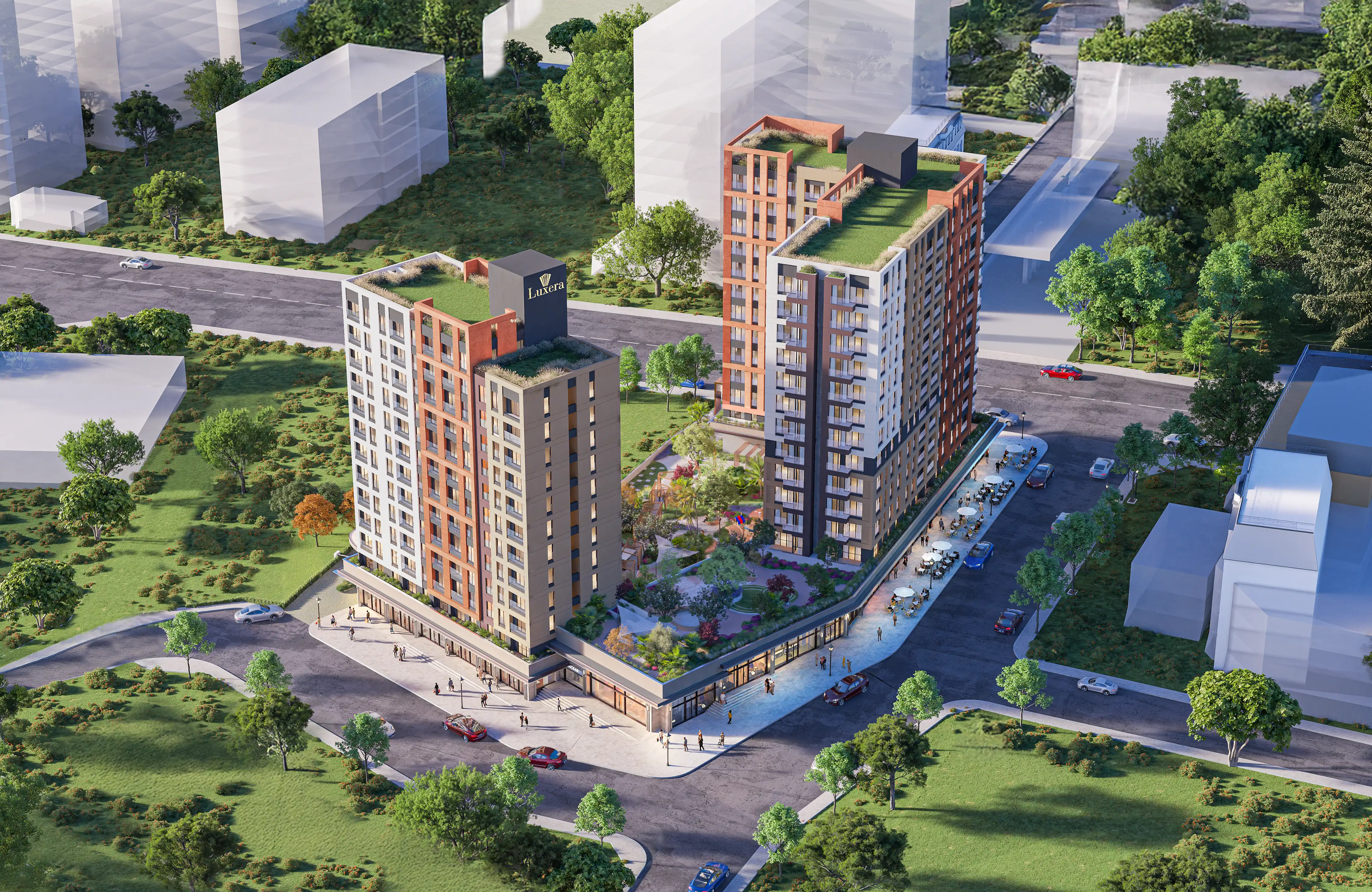
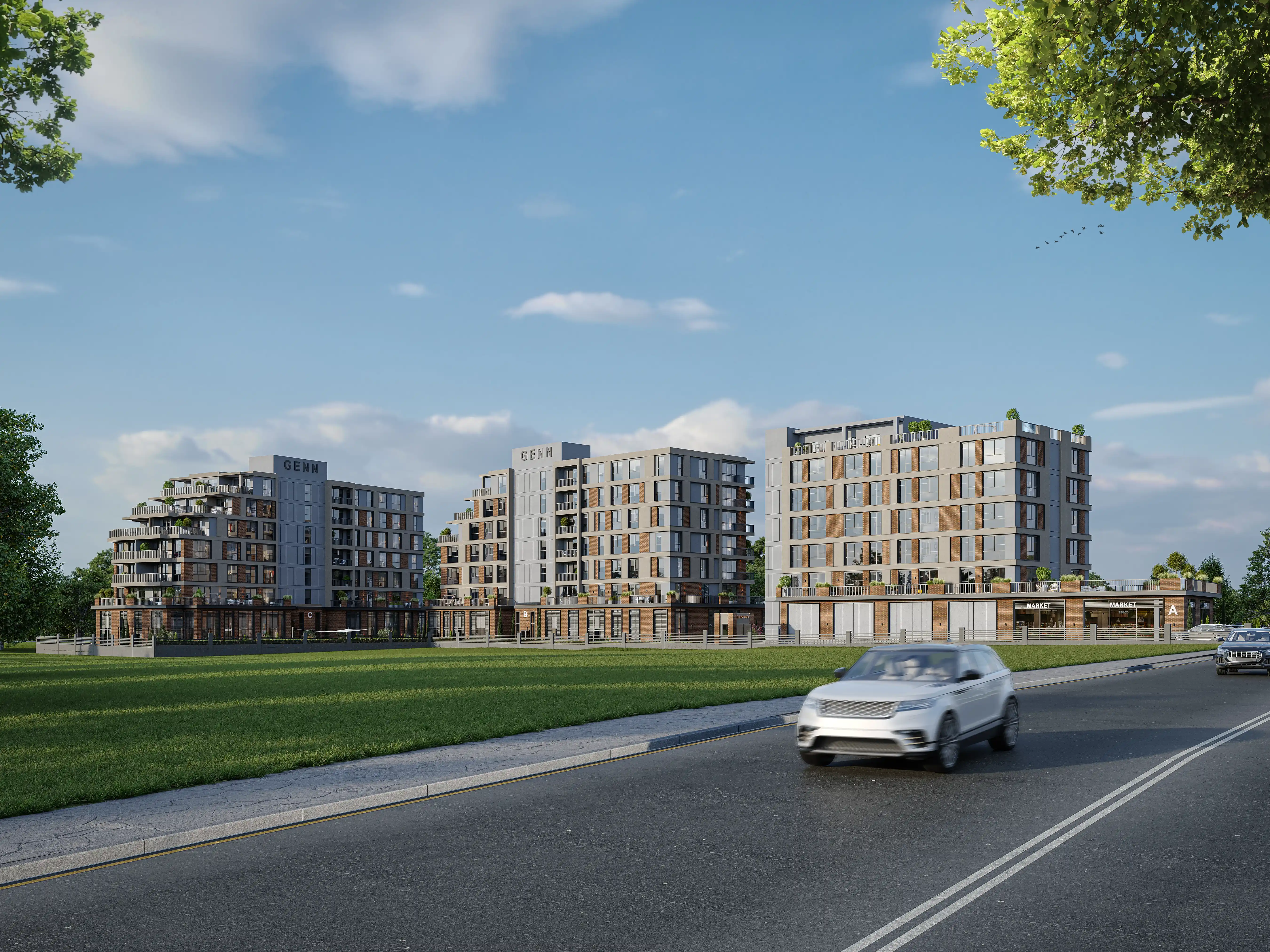
🏙️ Kağıthane Metro Zone – Early Valuation Upside Opportunity
Residential projects in Kağıthane positioned near newly expanded metro lines, where official Rayiç Bedel levels are still catching up—offering investors a strategic entry point before full market repricing materializes.
👉 View the project & lock in pre-repricing value →
2. Reduced Flexibility in Negotiation
In the past, many deals were under-reported to save on taxes—buyers and sellers would agree on a lower value for official records and handle the difference off the books. With the 2026 updates and stricter regulations, this practice is no longer viable. Municipalities are cross-checking market rates, making it nearly impossible to report a lower Rayiç Bedel without raising red flags.
That means:
- Less room to "sweeten the deal" through unofficial arrangements
- Every lira of your asking price must be justifiable via Rayiç Bedel and market trends
3. Improved Trust With Buyers
On the positive side, a more realistic and updated Rayiç Bedel boosts buyer confidence. It reduces suspicion and ensures that the price aligns with legal documentation, making transactions smoother—especially for international buyers who are often wary of discrepancies.
4. Effect on Marketing Strategy
As a seller, knowing your updated Rayiç Bedel allows you to:
- Set a competitive, legally-aligned asking price
- Justify your price using government valuation
- Position your property smartly in a rising market
It’s also a powerful negotiation tool. If your property’s Rayiç Bedel has jumped significantly in 2026, it gives you leverage in presenting it as a high-value, future-proof investment.
How to Check the Current Rayiç Bedel in Istanbul
You don’t need to hire a lawyer or visit the municipality in person to find out your property’s Rayiç Bedel. In 2026, the Turkish government has made it easier than ever to access this information.
Here’s how you can do it:
1. Use the e-Devlet Portal (e-devlet kapısı)
This is the official government platform where Turkish citizens and residents can access services like:
- Property records
- Tax information
- Social security
- Legal notices
Steps to Check Rayiç Bedel:
Go to: https://www.turkiye.gov.tr
- Log in using your e-devlet credentials (Turkish ID number + password)
- In the search bar, type: “Rayiç Değer Sorgulama” or “Belediye Rayiç Değeri Öğrenme”
- Select the relevant municipality
- Enter your property address or parcel number
- The system will display the current square meter value and total property valuation
2. Municipality Websites
Some districts (like Beşiktaş, Kadıköy, Üsküdar) have their own websites or digital platforms where property owners can directly search Rayiç Bedel.
Make sure to:
- Visit the official municipal site (look for domains ending in .bel.tr)
- Navigate to "İmar ve Şehircilik" or “Emlak” section
- Use address or plot number for search
3. In-Person at the Tapu Office
If you’re not comfortable using digital tools, you can visit your district’s Tapu ve Kadastro Müdürlüğü (Title Deed Office) and ask for a Rayiç Bedel report. Bring your:
- Kimlik (ID)
- Property deed copy
- Address or parcel number
This is especially useful if your property is newly built or in a development area, where digital records may not be fully updated yet.
Pro Tip: If you’re a foreigner and don’t have e-Devlet access, your local real estate agent or a Turkish lawyer can help retrieve this information for you. Just make sure you’re dealing with licensed professionals.
How to Challenge or Dispute a Rayiç Bedel Assessment
Sometimes, the assigned Rayiç Bedel doesn’t make sense. Maybe it’s too high, increasing your tax burden unfairly. Or maybe it’s too low, causing problems with mortgages and sales. Either way, property owners have the right to challenge the valuation.
Here’s how to go about it:
1. Gather Evidence
Start by collecting:
- Recent market listings of similar properties in your area
- Independent appraisal reports
- Legal documentation showing property condition or renovation costs
- Any recent municipal announcements that might justify a different value
2. File an Official Objection (İtiraz)
You’ll need to file a formal objection with your district municipality. The application usually includes:
- Written petition (Dilekçe)
- Supporting documents (photos, reports, deed copy)
- Your identity and contact details
- Submit your file to the Real Estate and Property Tax Department (Emlak ve İstimlak Müdürlüğü).
3. Wait for Review
Your case will be reviewed by a valuation committee. They might:
- Accept your claim and revise the Rayiç Bedel
- Reject it with an explanation
- Request additional documentation
- Expect the review process to take 2–4 weeks, depending on the district.
4. Appeal Legally If Necessary
If your objection is denied and you still believe the valuation is incorrect, you can:
- Hire a real estate lawyer
- File a lawsuit with the Administrative Court (İdare Mahkemesi)
- This is a longer route but may be necessary if large sums of tax or loan eligibility are at stake.
Note: Time is limited. You must file your objection within 15–30 days of the new Rayiç Bedel being published.
Rayiç Bedel vs. Expert Valuation Reports
Let’s clear up a common confusion: Rayiç Bedel is not the same as an expert appraisal report (ekspertiz raporu). If you’re buying, selling, or financing a property, both of these values might show up in your paperwork—but they serve very different purposes.
1. Rayiç Bedel (Municipal Value)
- Issued by: The local municipality
- Used for: Tax calculation, title deed transactions, legal filings
- Updated: Periodically, typically every 1–3 years
- Basis: General area-wide data, average square meter values
Think of Rayiç Bedel as the “government's price tag”—often conservative, sometimes outdated, but legally binding for most official procedures.
2. Expert Valuation Report (Ekspertiz Raporu)
- Issued by: Licensed valuation experts or firms (approved by the Banking Regulation and Supervision Agency - BDDK)
- Used for: Mortgage applications, foreigner property purchases, investment validation
- Updated: Every time it's requested (valid usually for 6 months)
- Basis: Specific property features—floor, age, location, amenities, view, etc.
This is your “real-world value assessment.” It’s more detailed, more current, and much more in tune with market dynamics.
Why Does the Difference Matter?
- For Buyers:
If you’re applying for a mortgage, banks will base the loan amount on the expert valuation, not the Rayiç Bedel. If the expert value is lower than your purchase price, you might not get the full loan you were expecting. - For Sellers:
Setting your selling price solely based on Rayiç Bedel can leave money on the table. Buyers today are informed—they'll check both values. - For Foreigners:
Foreign property buyers are legally required to obtain an expert report. It's the government's way of ensuring transparency and avoiding inflated transactions.
Quick Comparison Table
| Criteria | Rayiç Bedel | Expert Valuation Report |
|---|---|---|
| Issued by | Municipality | Licensed appraisers |
| Used for | Taxes, legal forms | Mortgages, foreigner purchases |
| Accuracy | General (based on area average) | Specific (based on property details) |
| Price reflection | Usually lower than market | Reflects actual market price |
| Update frequency | Every 1–3 years | On demand (valid 6 months) |
| Mandatory for foreigners? | No | Yes |
Bottom line? Use Rayiç Bedel for legal paperwork, but trust the expert valuation for real-world decisions. Both are important—but for different reasons.
Investment Tips Based on Rayiç Bedel Trends
Smart investors know that where you buy matters just as much as when you buy. The 2026 Rayiç Bedel update has revealed some interesting patterns and opportunities across Istanbul.
Here are some strategic investment insights based on the latest trends:
1. Look for Undervalued Districts
Some districts are still catching up in terms of valuation. These are prime zones for capital appreciation.
- Silivri & Çatalca: With large land plots and upcoming Kanal Istanbul impact
- Tuzla & Pendik: Affordable, but rising fast due to transport and urban planning
- Avcılar: Mid-point between city center and Kanal Istanbul—values are climbing
Buying in these districts now can mean strong long-term gains once the next round of Rayiç Bedel updates lands.
2. Use Rayiç Bedel Gaps to Your Advantage
If the market price is much higher than the Rayiç Bedel, and you’re a seller, you might face capital gains tax issues. But if you’re a buyer, this can reduce the Tapu Harcı (deed tax) amount—saving you thousands in upfront costs.
3. Prioritize Infrastructure Corridors
Properties near:
- New metro stations
- Kanal Istanbul
- Marmaray expansions
- New highways or bridges
...are hot zones. The Rayiç Bedel in these areas is increasing fast—but still has room to grow. Early investors here will likely see 2x–3x returns in 5–10 years.
4. Consider Redevelopment Zones
Properties in urban transformation areas are eligible for rebuilding permits, tax exemptions, and developer partnerships. If the Rayiç Bedel is still low, you’re basically sitting on untapped potential.
5. Stay Ahead of Annual Adjustments
Don’t wait for official updates to act. If you see construction booming, cafes opening, and schools being built—it’s a sign the area’s Rayiç Bedel will rise soon. Get in before the official numbers catch up.
Common Mistakes to Avoid Regarding Rayiç Bedel
Even experienced property buyers and sellers in Istanbul can make costly mistakes when it comes to Rayiç Bedel. Here's what you should watch out for:
1. Assuming Rayiç Bedel = Market Price
Nope. These two rarely match. Rayiç Bedel is usually much lower. Relying on it for price negotiations will either:
Undervalue your property (if you’re a seller)
Or set unrealistic expectations (if you’re a buyer)
2. Not Checking the Latest Update
Municipalities update Rayiç Bedel values every year or so. Using outdated numbers can result in:
- Incorrect tax estimates
- Legal complications
- Surprises at the title deed office
3. Skipping the Expert Report
If you skip hiring an expert appraiser (especially as a foreigner), you might overpay. Or worse—buy a property that looks good on paper but is legally or structurally compromised.
4. Failing to Dispute Errors
Sometimes, municipalities make mistakes. A wrong street, incorrect parcel number, or unregistered renovations can skew your property’s Rayiç Bedel. Don’t just accept it—challenge it, as we explained earlier.
5. Misunderstanding Tax Implications
Buying or selling property without calculating the full tax load based on Rayiç Bedel can lead to major surprises later. Always consult a tax consultant or lawyer before finalizing your deal.
Avoiding these mistakes can save you tens of thousands of lira and a whole lot of legal headaches.
Future of Rayiç Bedel in Istanbul Beyond 2026
The real estate landscape in Istanbul is evolving faster than ever, and Rayiç Bedel isn’t going to stay static. So, what can we expect in the years beyond 2026? Let's explore the likely trends, predictions, and policy shifts that could shape the future of property valuation in Turkey’s largest city.
1. Digitalization and AI-Powered Valuation
One of the biggest changes coming is the full digital transformation of municipal services. Several pilot projects have already been launched where Rayiç Bedel is updated automatically using real-time data analytics, including:
- Recent sales records
- Construction permits
- Satellite imagery
- Neighborhood development indicators
This means we may see dynamic Rayiç Bedel values, similar to how online platforms like Zillow or Sahibinden adjust market values daily. AI-powered updates will help eliminate human error and reduce undervaluation.
2. More Frequent Updates
Currently, municipalities update Rayiç Bedel annually or every few years. Going forward, expect updates every 3–6 months, especially in fast-growing or redevelopment zones.
This change aims to:
- Minimize the gap between market and official value
- Increase tax revenues in line with actual sales
- Provide more accurate collateral assessments for financial institutions
3. Full Integration with Blockchain-Based Land Registry
The Turkish government has been testing blockchain technologies to modernize the land registry system. When fully implemented, every transaction, update, and ownership change could be logged securely—and Rayiç Bedel could become instantly transparent for every parcel.
This would revolutionize:
- How buyers and sellers verify value
- Speed of transactions
- Fraud prevention
4. Smart City Projects Influencing Values
As Istanbul pushes further into smart city planning, property values will become increasingly tied to:
- Internet of Things (IoT) adoption in neighborhoods
- Green energy infrastructure
- Proximity to tech parks or digital zones
Areas like Kartal, Maltepe, and Başakşehir are already seeing massive investments in smart city tech, which will undoubtedly impact their future Rayiç Bedel valuations.
5. Stricter Government Oversight
To close tax loopholes and improve compliance, the Turkish government is expected to:
- Link Rayiç Bedel directly with Tapu (title deed) systems
- Penalize under-declared transactions more aggressively
- Audit real estate firms and agents more frequently
This means buyers and sellers can expect more regulation but also more transparency, ultimately creating a healthier property market.
In Summary:
The Rayiç Bedel system is going from a static legal formality to a dynamic financial tool. As Istanbul becomes more connected, smarter, and better regulated, these valuations will become critical data points in shaping not just property decisions—but also urban development, investment strategy, and economic policy.
Conclusion
Istanbul’s real estate market in 2026 is more complex and dynamic than ever, and Rayiç Bedel sits at the heart of it all. Whether you’re buying your first home, selling an inherited apartment, or making a long-term investment, understanding Rayiç Bedel is no longer optional—it’s absolutely essential.
From how it’s calculated, to why it’s increasing, and how it impacts everything from taxes to loans, this official value is the silent force behind almost every transaction. With updates in 2026 showing massive increases across major districts, staying informed is the only way to stay ahead.
As Istanbul moves into a new era of urban development, smart infrastructure, and tighter regulations, Rayiç Bedel will continue to evolve. And those who track it, understand it, and act on it will be the ones who make the most out of this booming real estate market.
FAQs
Rayiç Bedel is the official valuation assigned by the municipality to a property or land. It’s primarily used to calculate taxes, determine transaction values, and serve as a legal benchmark during property transfers. It's rare, but possible—especially if a municipality updates the value too aggressively or if the property condition has worsened. However, usually, the market value is higher than Rayiç Bedel. Not necessarily. You can file a dispute directly with your municipality. But if your case is complex or involves large sums, hiring a lawyer is recommended for better results. Foreigners must obtain a licensed expert valuation, which may differ from Rayiç Bedel. Both values are considered, but taxes are calculated based on the higher of the two in many cases. Not always. While most districts have seen increases, some may stay flat or decrease based on market trends, local demand, or policy decisions. It's important to monitor municipal updates regularly.
Take Action Now: Make Smarter Property Decisions in Istanbul
Now that you have a complete understanding of the 2026 Rayiç Bedel updates in Istanbul, it’s time to take action. Whether you're a homeowner, buyer, seller, or investor—staying proactive can save you thousands of lira and give you a serious edge in this fast-moving real estate market.
✅ What You Should Do Next:
Check Your Property’s Current Rayiç Bedel: Log into e-Devlet and review your property’s updated valuation.
Get an Expert Valuation Report: If you’re planning to buy or sell, don't rely on outdated figures. Hire a licensed appraiser to assess your property's real value.
Consult a Real Estate Attorney or Tax Advisor: Ensure your transaction aligns with the latest laws and avoids hidden tax liabilities.
Explore High-Potential Districts: Use the insights in this article to target undervalued areas that are set to grow over the next 5–10 years.
Stay Informed: Follow municipal websites and real estate news to track Rayiç Bedel changes in your area.




.jpeg)



Have Question Or Suggestion ?
Please Share Your Thought, To Make It Real